The Luncheon by Claude Monet
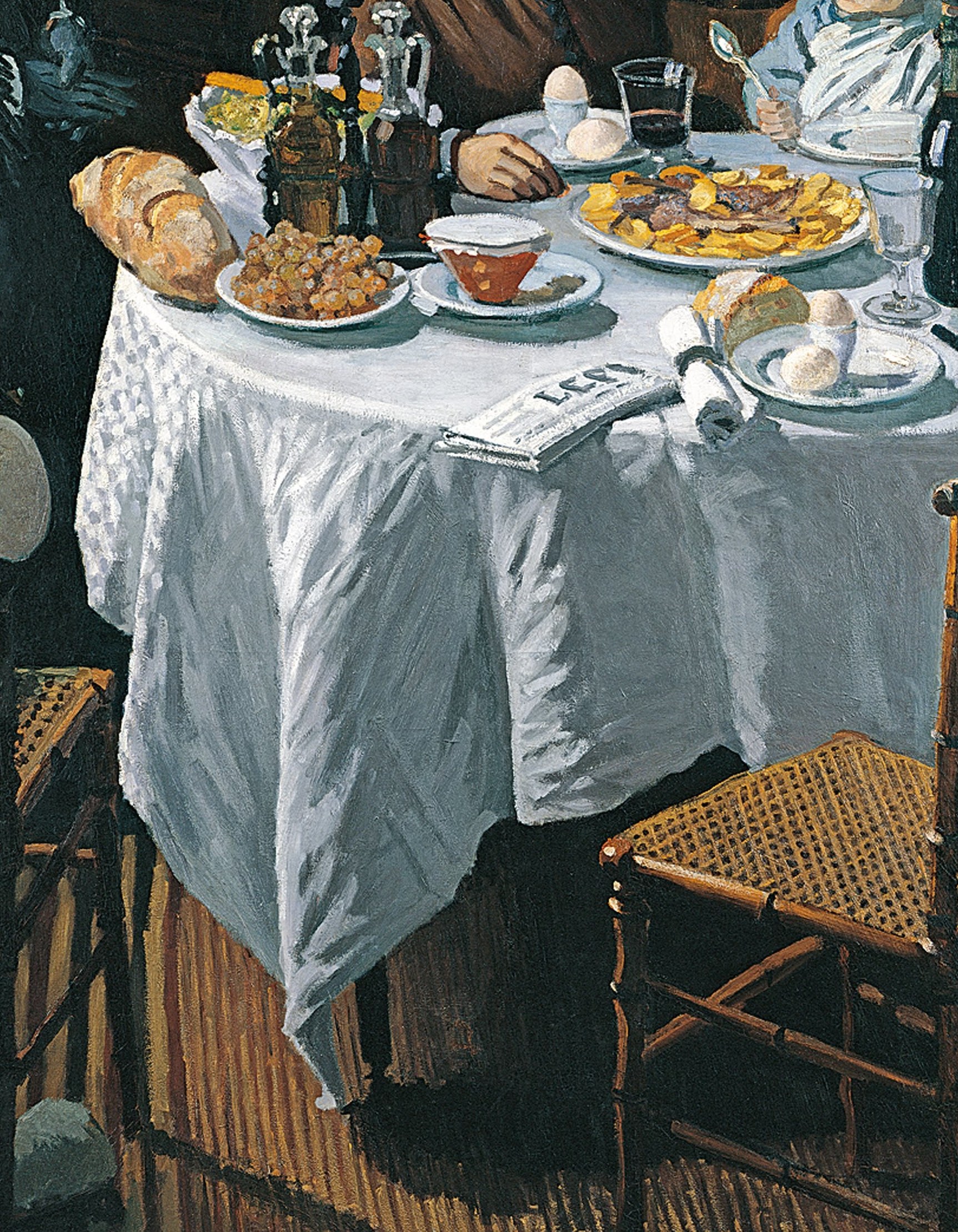
Claude Monet's "The Luncheon," painted in 1868 and held at the Städel Museum, appears at first glance to be a simple, intimate family meal.
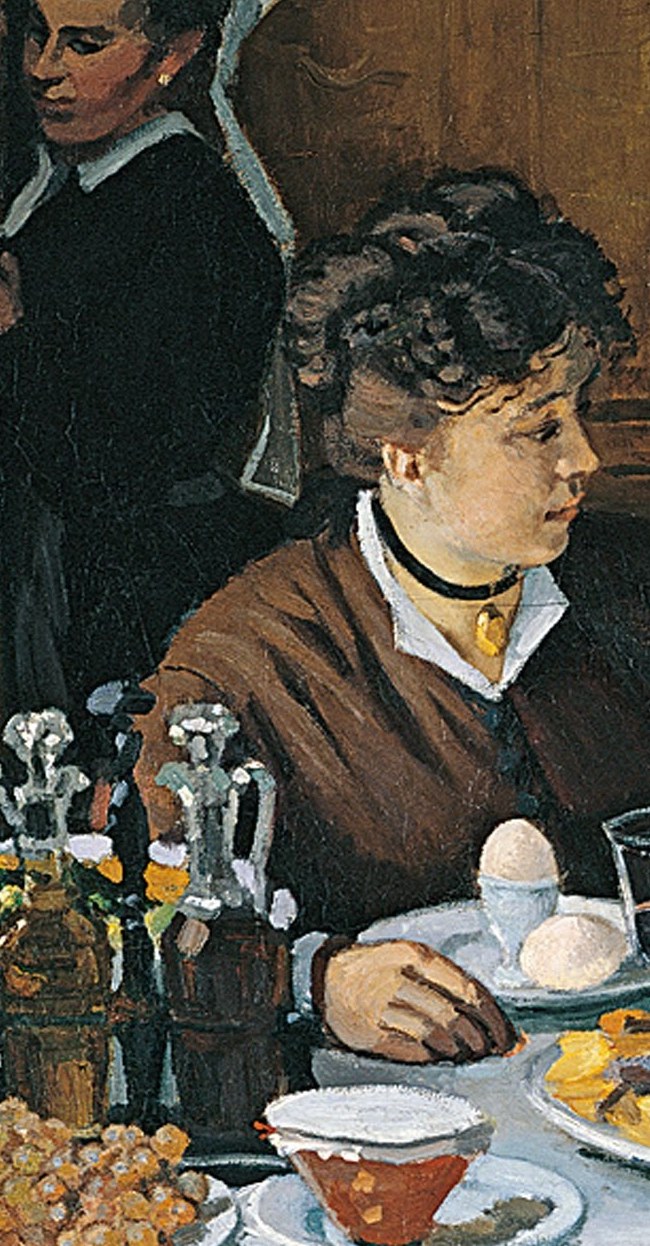
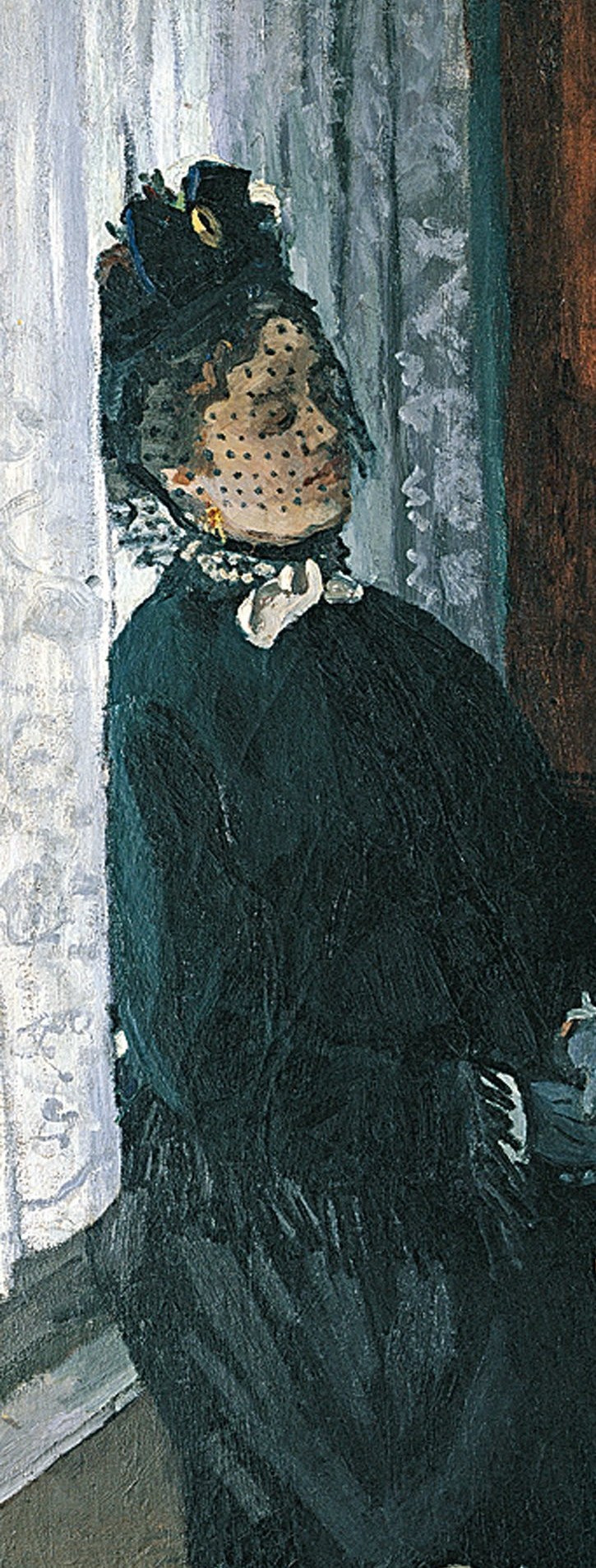
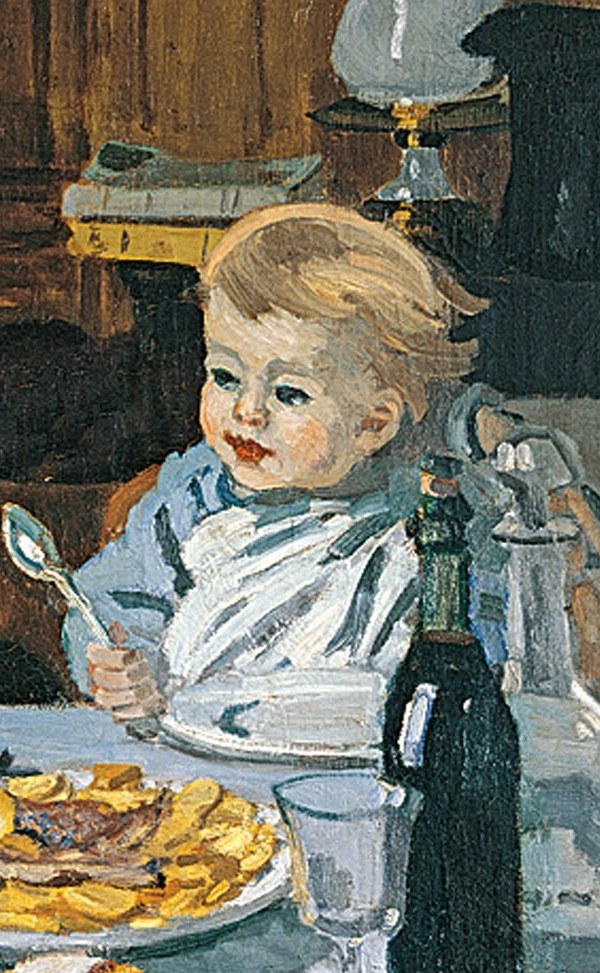
Look closely at the figures around the table. The central figures are Monet's partner, Camille Doncieux, and their young son, Jean, capturing a tender, everyday interaction. Yet, the woman in the black veil adds a layer of intrigue, her attire suggesting a formal occasion or even mourning, subtly shifting the painting's emotional tone.
This significant genre scene was created in an early period of Monet's development, just before his major breakthrough with "Impression, Sunrise." It showcases his early mastery of natural light and his ability to render everyday life with immediacy, bridging academic realism and the emerging Impressionist style.
What do you think her presence adds to this domestic scene?
Details
Transcript
This looks like a simple family meal. It shows Monet's partner, Camille, and their young son, Jean. But look closely at the woman in the black veil. Her somber attire and veil suggest a formal occasion, or mourning. Her presence hints at a larger, more complex domestic story. This painting was made just before Monet’s major breakthrough.