Portrait of a young man with a javelin and a hunting horn by Peter Danckerts de Rij
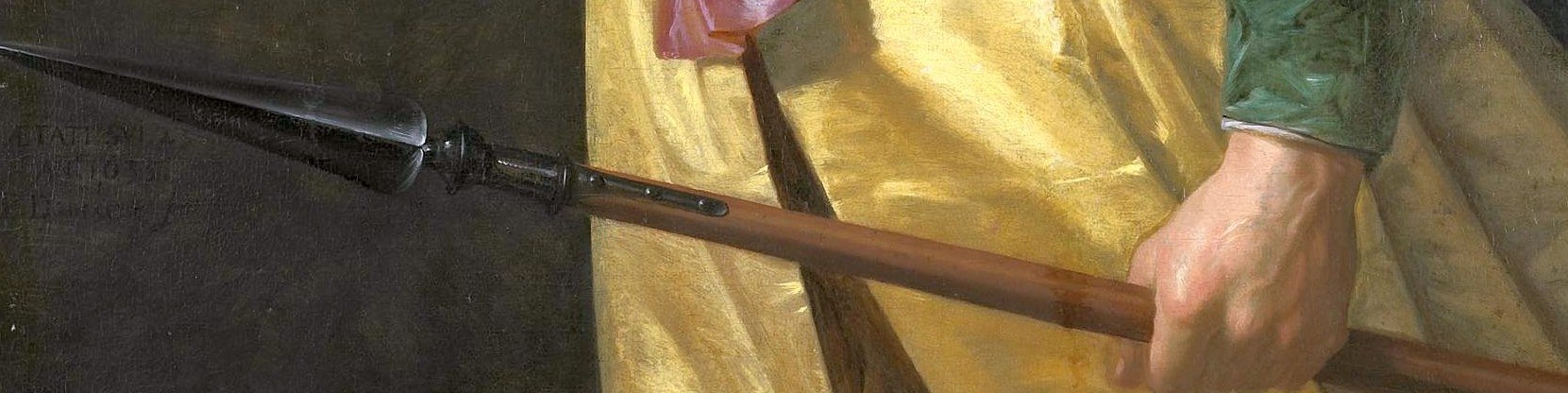
In Peter Danckerts de Rij's “Portrait of a young man with a javelin and a hunting horn,” painted in 1635, a hidden detail on the javelin reveals a quiet layer to the artwork.
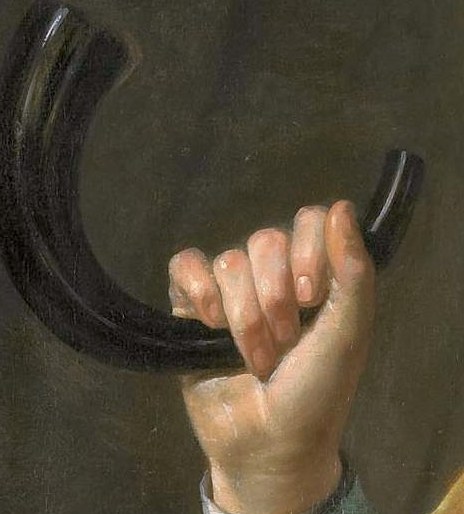
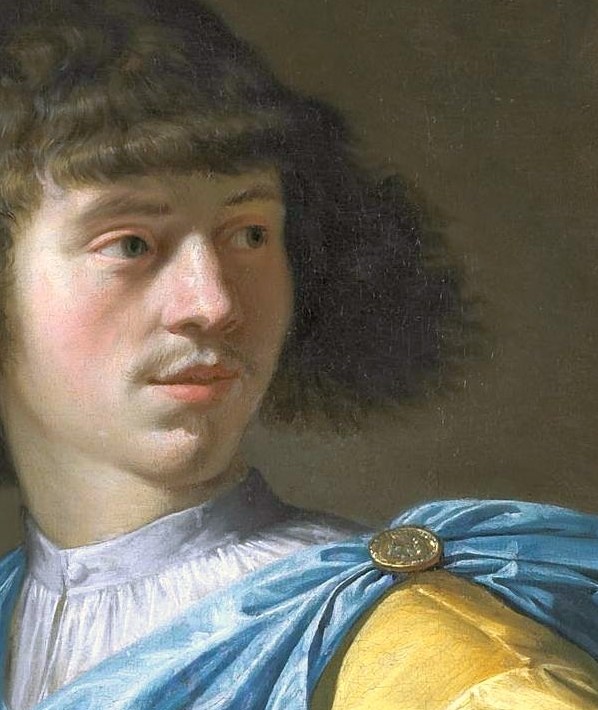
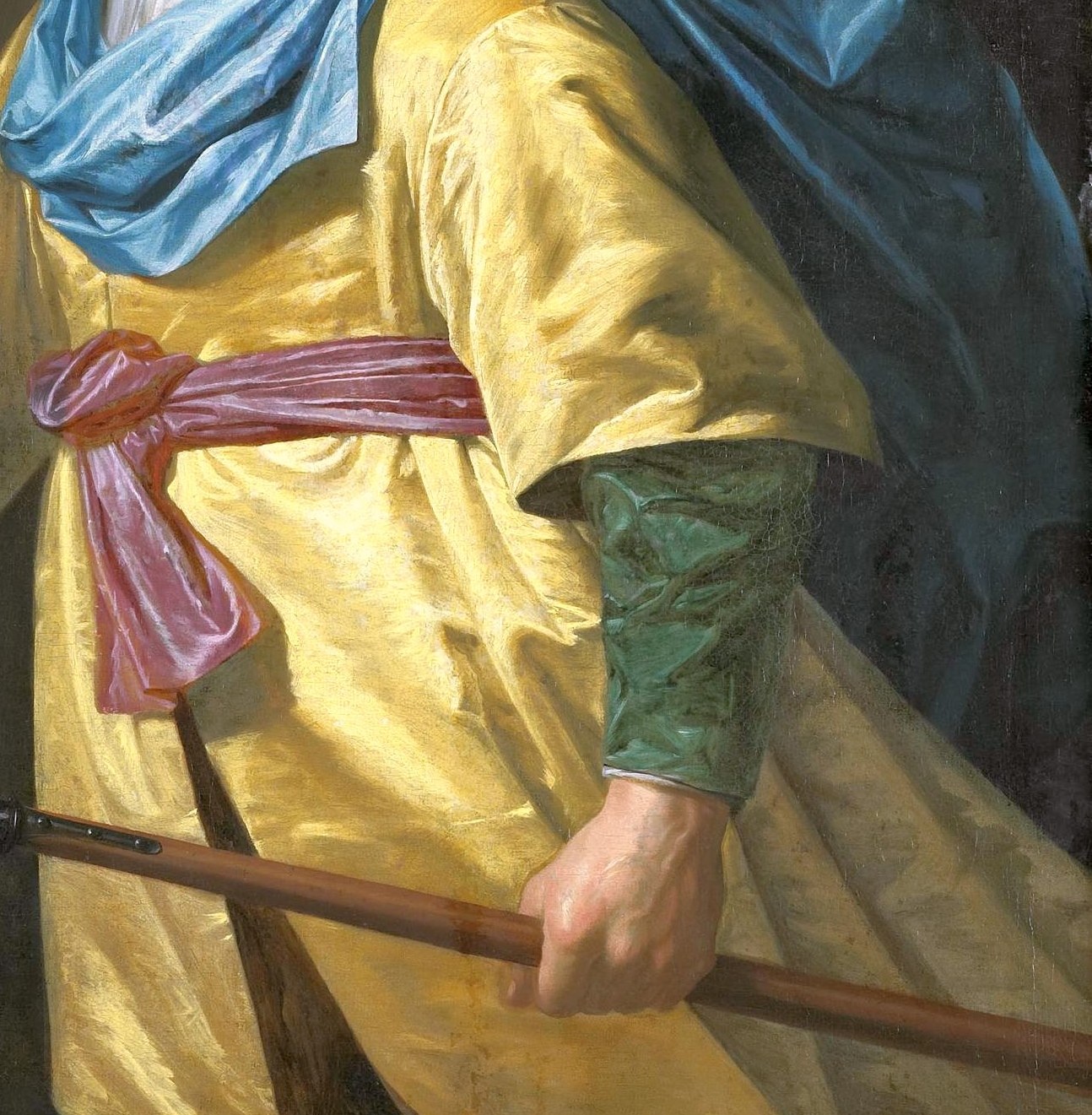
This Dutch Golden Age portrait, now at the Rijksmuseum, features a young man holding symbols of noble leisure and martial skill: a hunting horn and a javelin. While his vibrant yellow doublet and blue cape signify wealth, it's the javelin that holds a secret.
Look closely at the shaft of the javelin in his left hand. There, a faint inscription, possibly a maker's mark or dedication, is subtly rendered, a testament to the artist's attention to detail that often goes unnoticed. Danckerts de Rij, active across Europe, brought this refined technique to his many aristocratic commissions.
What other small details in paintings have caught your eye?
Details
Transcript
This young man has a hunting horn and javelin. Such objects showed wealth and aristocratic status in 1635. He was painted by Peter Danckerts de Rij, a Dutch Golden Age artist. But look closely at the shaft of his javelin. A faint inscription, perhaps a maker's mark, is barely visible. It's a subtle detail, easy to miss.