Virgin and Child by Master of the Bruges Legend of St. Ursula
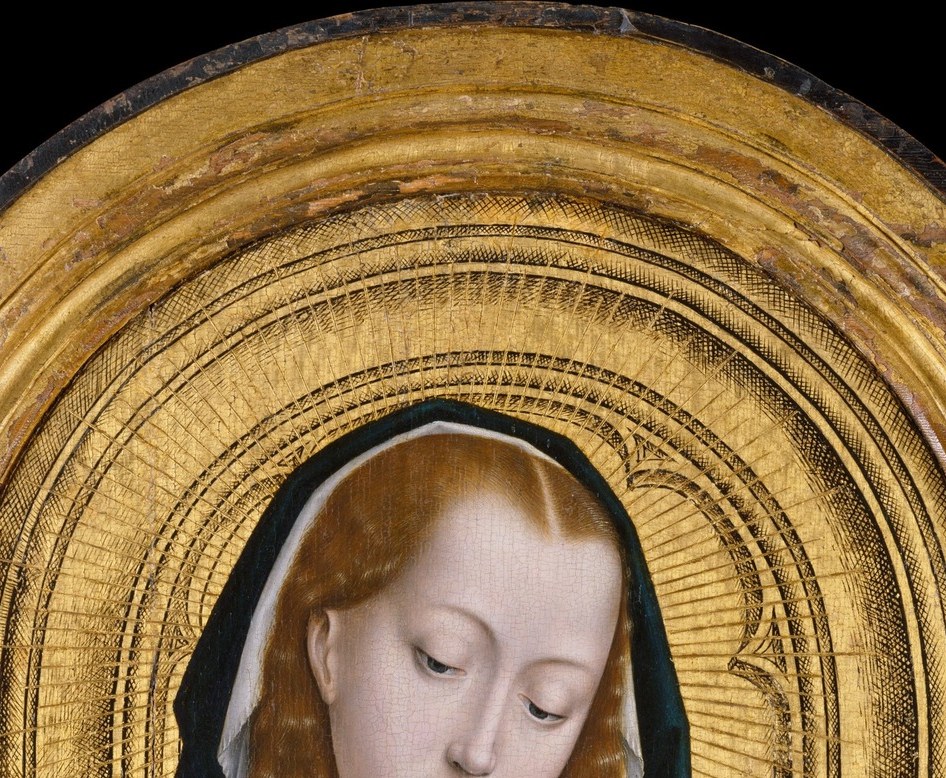
This is the Virgin and Child, painted in 1494 by the Master of the Bruges Legend of St. Ursula, now at The Metropolitan Museum of Art. For centuries, his identity was a mystery, he was known only by a nickname borrowed from a different altarpiece.
Look at the nursing act itself. In Northern Renaissance theology, this was not a sentimental detail. The Maria Lactans motif was a doctrinal statement: Mary's milk proved that Christ was fully human, dependent, and corporeal. The red of her robe was a deliberate prefiguration of the Passion that would follow.
The artist was active in Bruges in the late 1400s, and his anonymity began to crack because of a building. Several of his paintings include the city's belfry, and art historians realized its construction stage dated the works precisely. That architectural fingerprint led researchers to a name registered in the local saddlemakers and sculptors guild: Pieter Casenbroot.
So a landmark unlocked the man. The painting you are looking at was likely made by a guild member who worked across disciplines, leaving his quiet signature not in paint, but in the skyline of his city.
Details
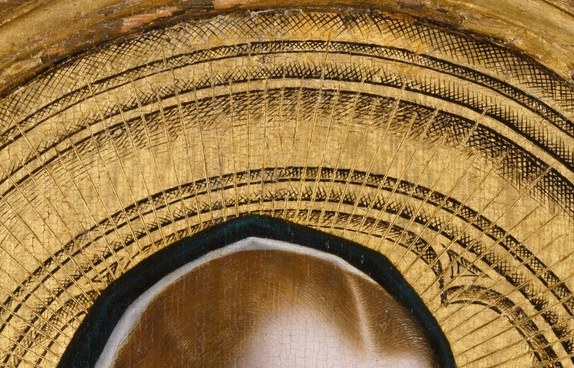
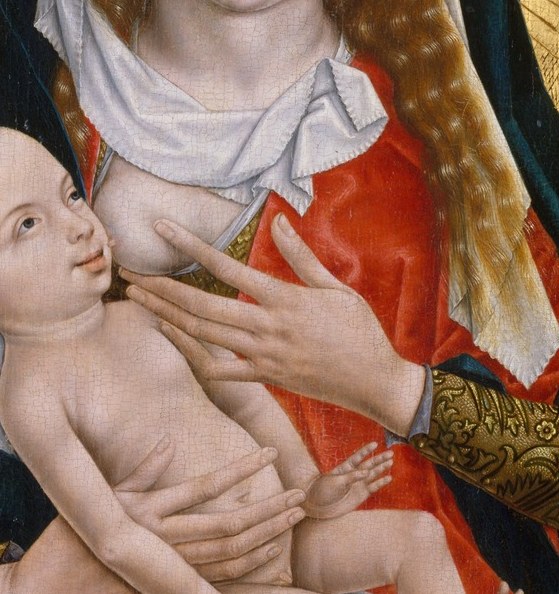
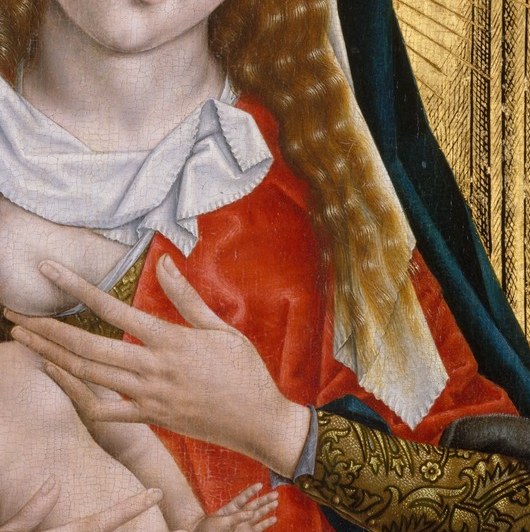
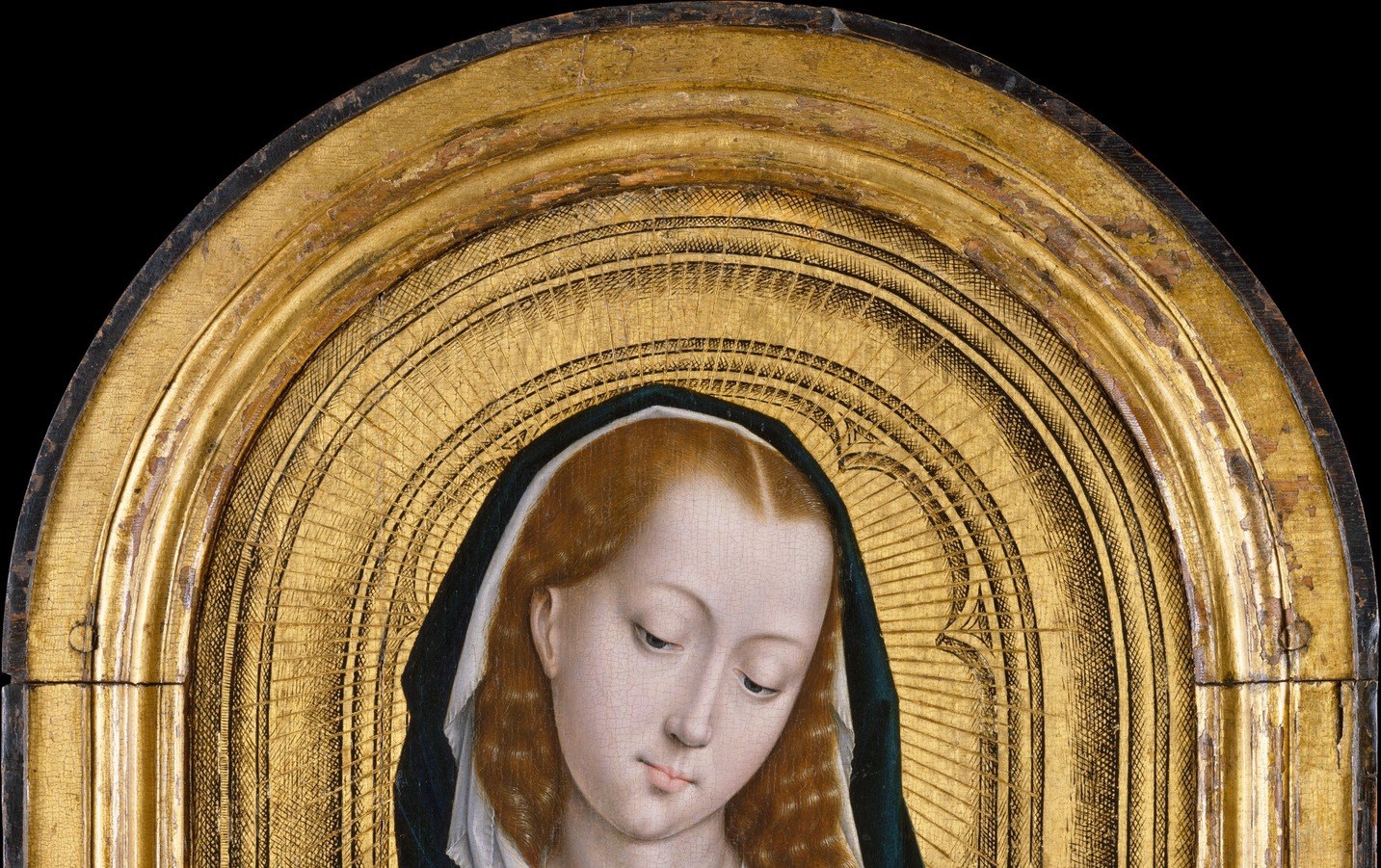
Transcript
For centuries, nobody knew who painted this. She looks away, absorbed. This is a private moment. But this is no ordinary intimacy. It is a theological argument. Her milk made doctrine visible: Christ was fully human. The painter hid his identity. We call him by a different story. He was named for a legend of Saint Ursula, painted in Bruges. But the real clue was a landmark. A belfry, still under construction. It dated the work, and pointed to a man: Pieter Casenbroot.