明 佚名(仿)吳育 新安汪氏譜牒 卷|Portrait of a Member and Record of the Wang Family by Wu Yu|Unidentified artist
This isn't just a portrait; it's a profound historical document. "Portrait of a Member and Record of the Wang Family," created around 1506 by an unidentified artist imitating Wu Yu, is housed at the Met Museum. This handscroll blends art with legal record-keeping.
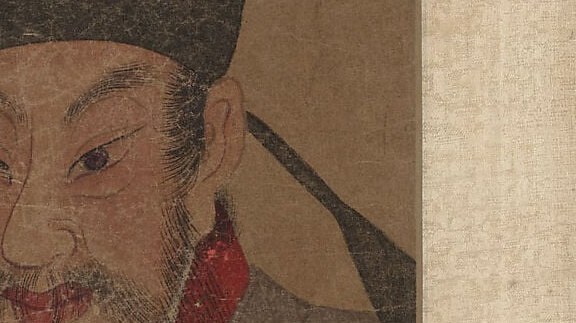
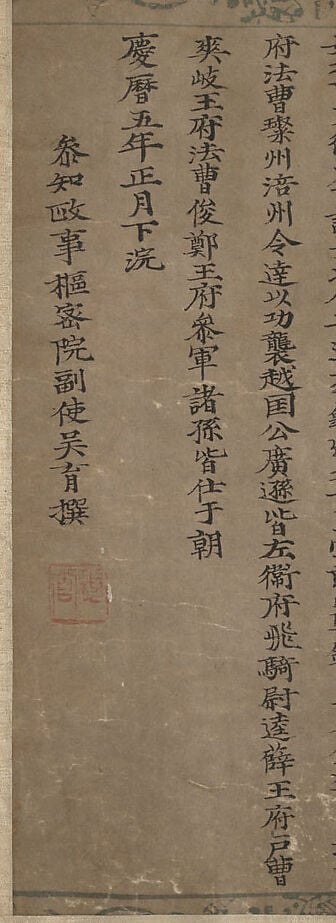
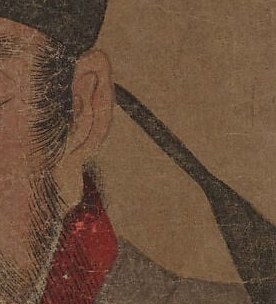
Look closely at the man's formal attire, his scholar's hat, and especially the rolled scroll in his hands. The meticulous calligraphy beside him, authenticated by a red seal, details his identity and lineage within the prominent Wang clan of Xin'an.
During the Ming dynasty, such scrolls were crucial. They served as tangible proof of an individual's identity and social standing, combining visual likeness with genealogical information to affirm familial heritage. It’s a comprehensive record of belonging.
This artwork reminds us how art can transcend mere aesthetics, serving vital roles in society. What other art forms double as official documents?
Details
Transcript
In 1506, this was more than a portrait. It was a legal record of a man's identity and lineage. Look at the official red seal at the bottom. The calligraphy confirms his membership in the Wang clan. Scrolls like this asserted social standing in Ming dynasty China. His composed demeanor reflects his formal status.