The Parc Monceau by Claude Monet
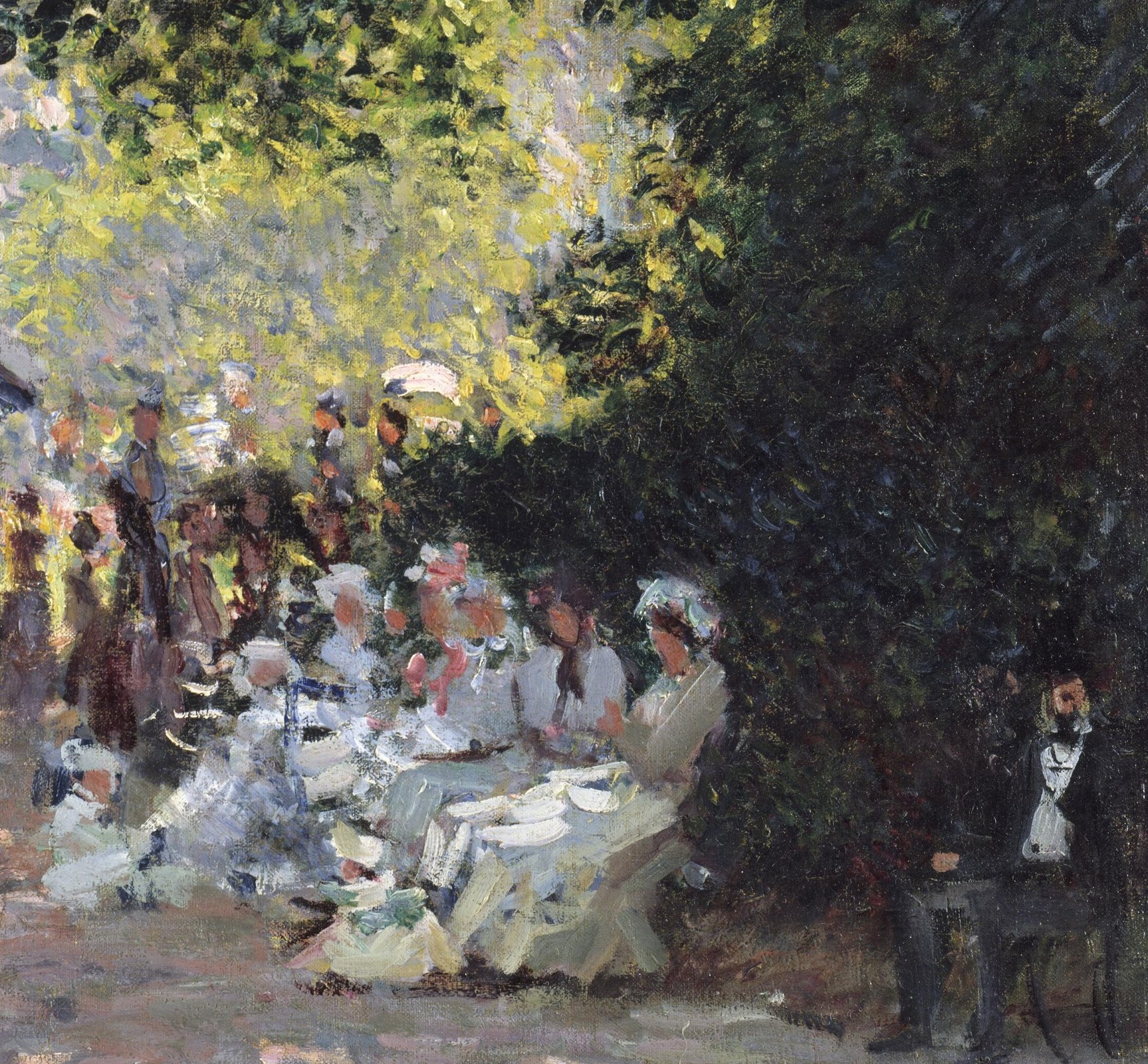
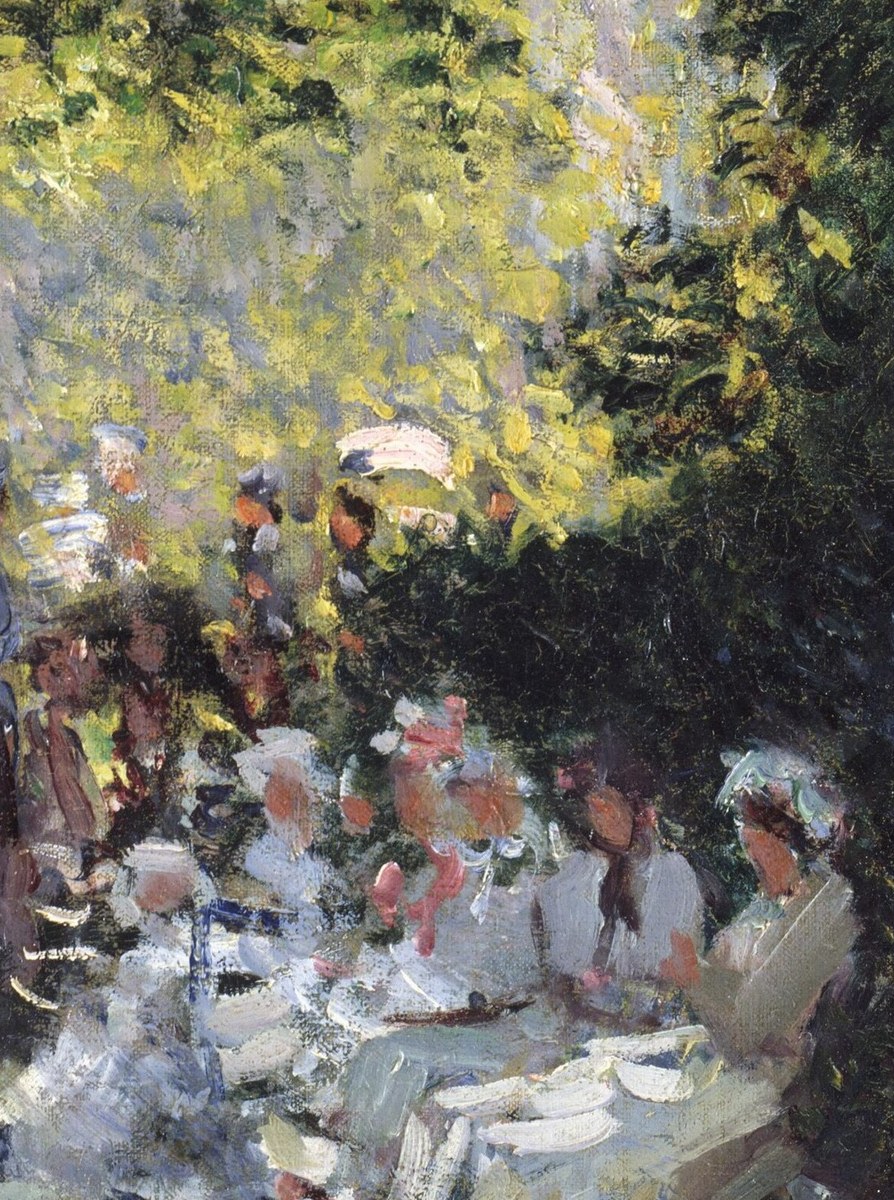
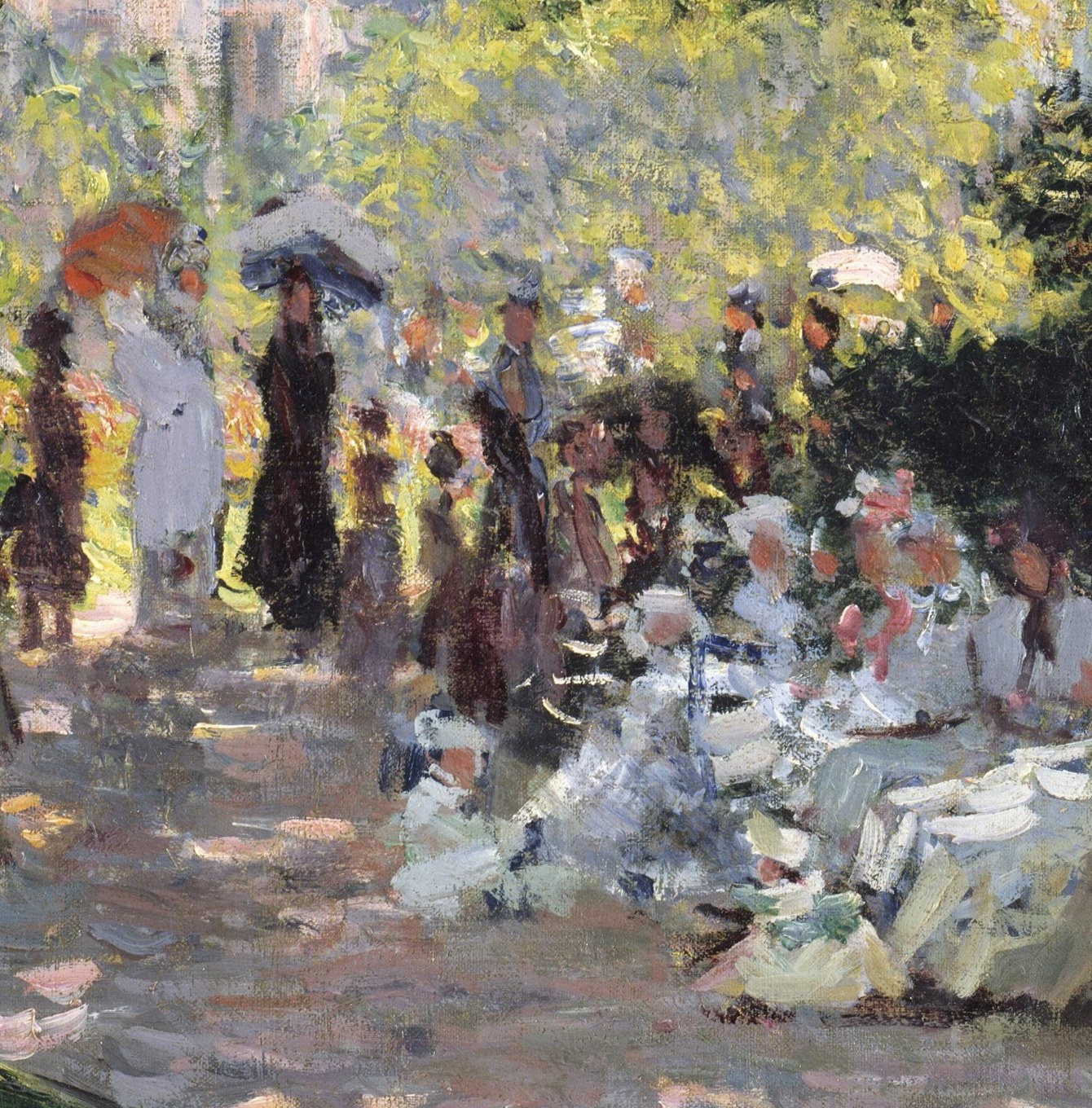
Claude Monet's 'The Parc Monceau' (1878, The Metropolitan Museum of Art) shows a sunlit afternoon of leisure in an elegant Parisian park. Fashionable men and women gather in the dappled shade, children play, and a small dog trots across the lawn. The painting is a masterclass in Impressionist light, broken strokes of yellow and violet make the whole scene shimmer.
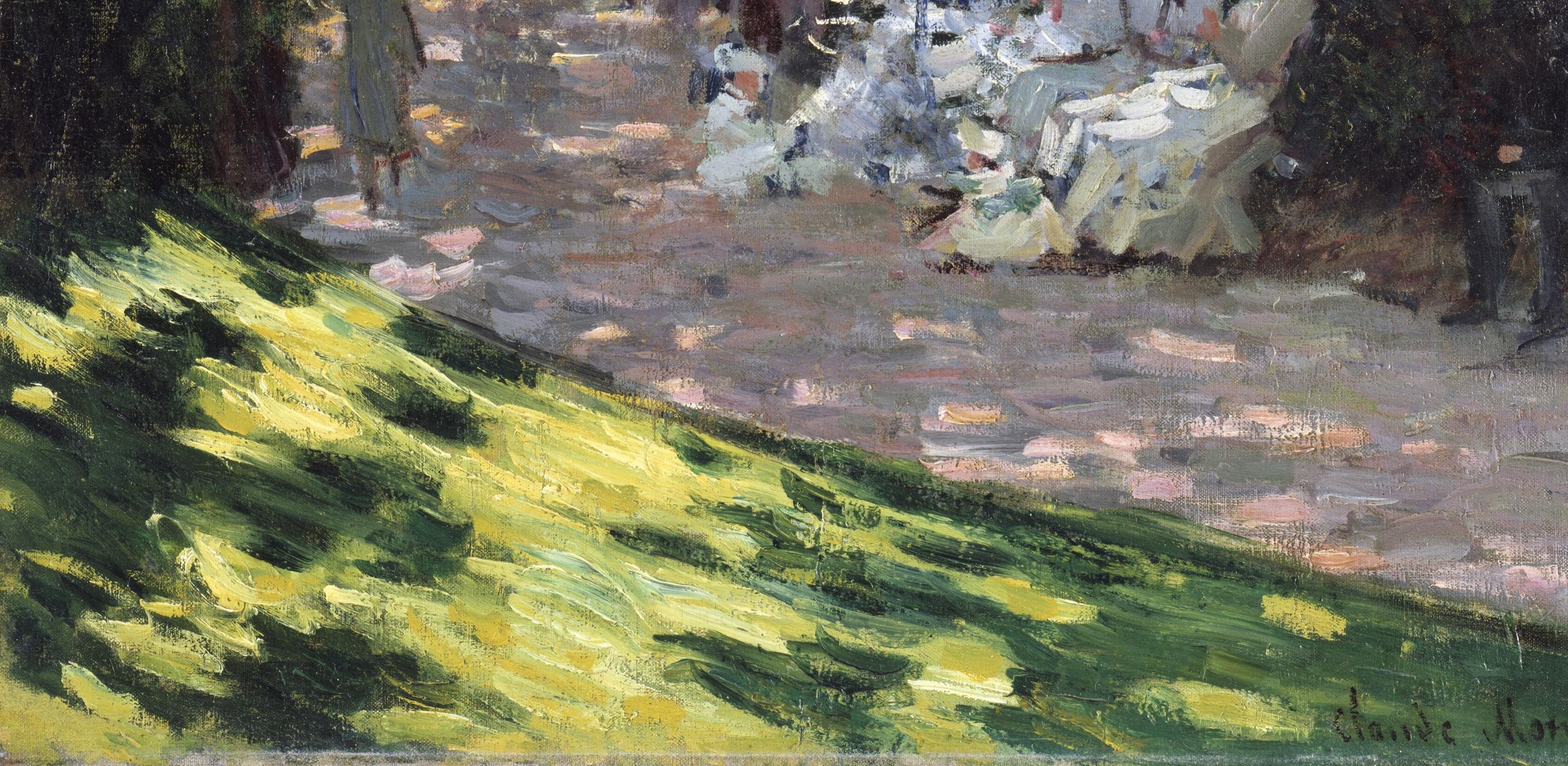
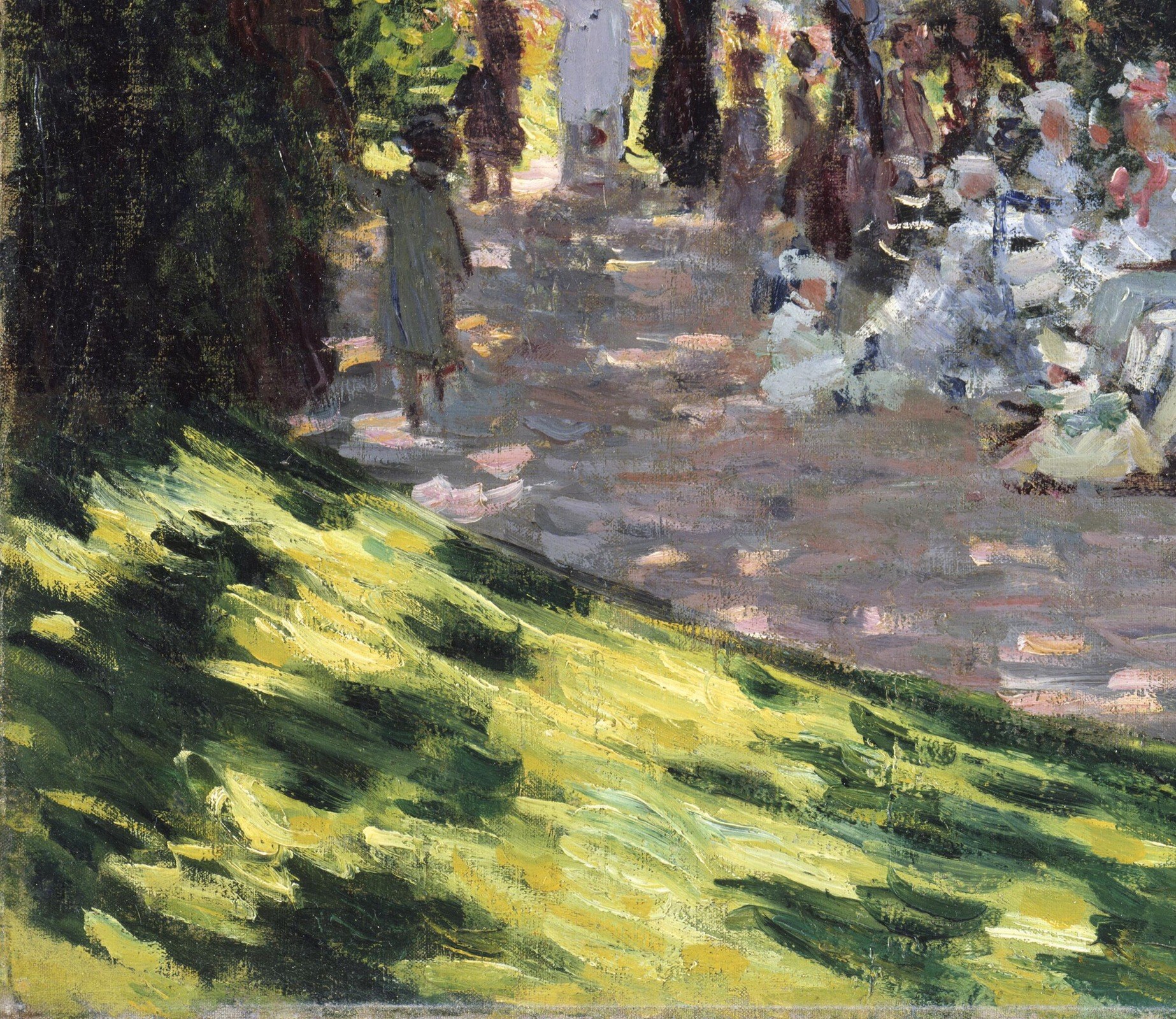
But look at the sunlit lawn in the foreground. The joy it depicts is only half the story. Seven years before Monet set up his easel here, this exact ground was soaked in blood. During the final days of the Paris Commune in 1871, government forces cornered and executed hundreds of Communards inside Parc Monceau. Corpses lay among the flowerbeds.
The new French Third Republic, desperate to heal the city, swiftly renovated the park with new plantings, winding paths, and iron gates. The slaughter was literally buried beneath fresh turf. By the time Monet painted it, Parc Monceau had been rebranded as the playground of the fashionable bourgeoisie, a pastoral stage set with no memory.
Monet's painting is not a lie, but it is a selective truth. Impressionism was often a radical act, but here it performs a conservative function: recording a surface so beautiful you never think to ask what lies underneath.
Details
Transcript
They look like a pleasant afternoon of bourgeois leisure. Paris, 1878. The Third Republic loves its new public parks. Monet painted this fashionable crowd from life. But a few years before this scene, the ground here ran red. During the Paris Commune of 1871, this park was a killing field. Government troops executed hundreds of Communards on this lawn. The new Republic hurriedly renovated the park, planting over the past. Monet captures only sunlight and leisure. The memory was deliberately erased.