Still Life with Flowers in a Glass by Jan Brueghel, the elder
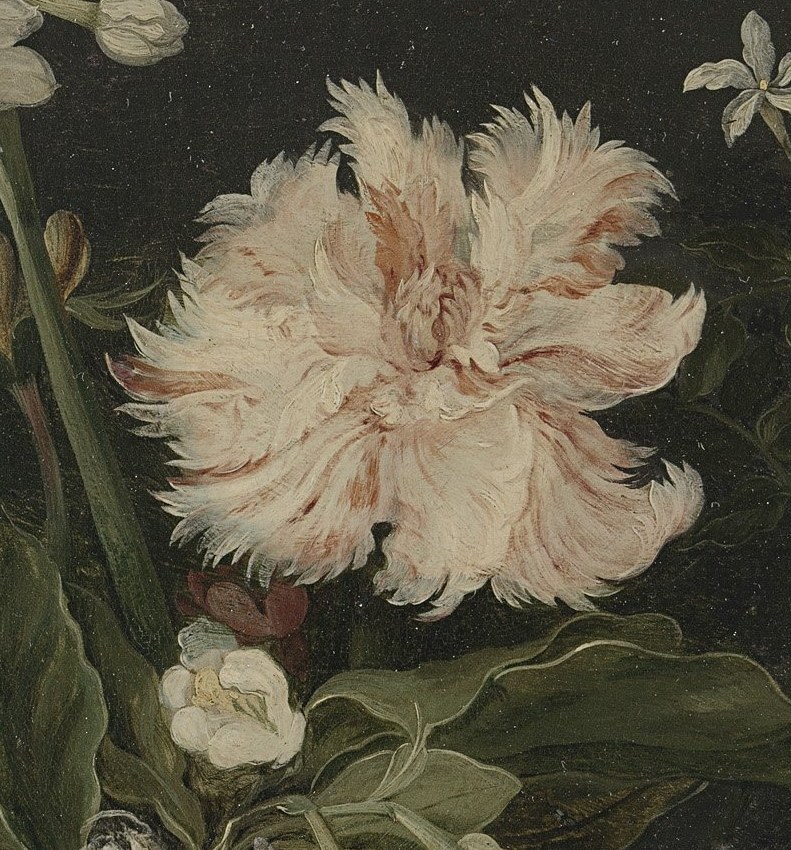
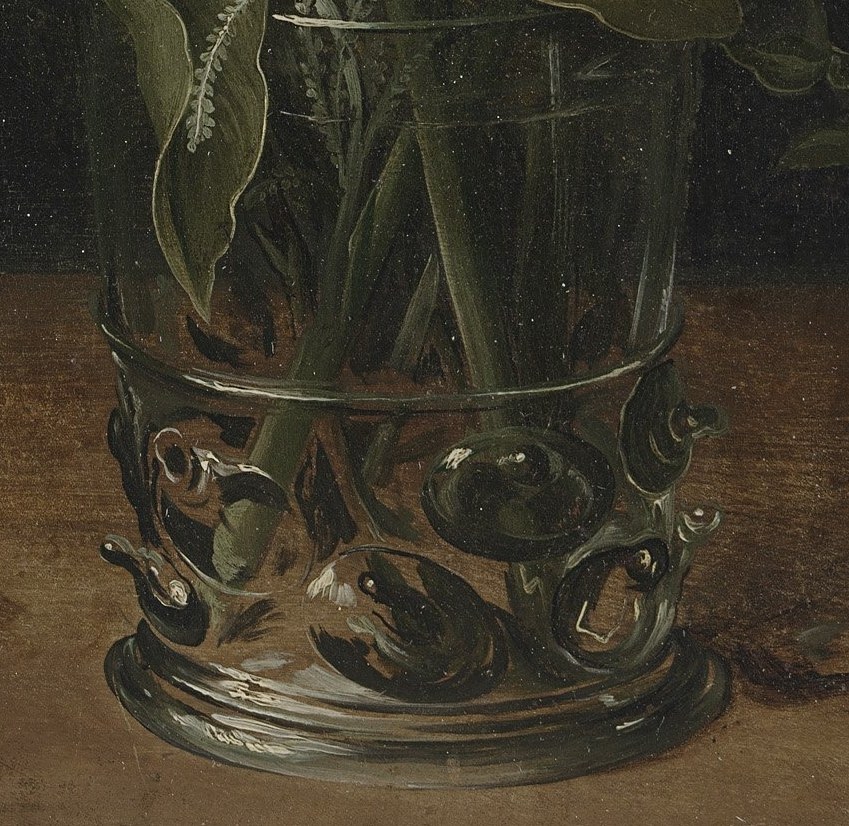
Jan Brueghel the Elder, a pivotal figure in Flemish Baroque painting, created this exquisite Still Life with Flowers in a Glass around 1650. This painting on copper, now at the Rijksmuseum, showcases his remarkable skill in rendering minute details and his contribution to the era's artistic prestige.
Observe the delicate precision in each petal and leaf. Brueghel’s mastery is evident in the tiny insects, like the ladybug and bee, adding a layer of natural realism and suggesting the transience of life. The luminous quality of the flowers against the dark background is characteristic of his style.
Brueghel was the son of Pieter Bruegel the Elder and a close collaborator with Peter Paul Rubens. Their combined influence significantly shaped the Flemish art scene. He was an innovator, known for inventing new types of paintings and his contributions to still life as a genre.
This small, detailed work invites contemplation, not just of beauty, but of the fleeting moments captured within.
Details
Transcript
This painter was the son of a famous artist, and friend to another. Jan Brueghel the Elder often painted still lifes like this one. He was known for his intricate detail, especially of flowers. Look closely, a tiny ladybug crawls on a stem. Another detail, a bee, lands near the vase. He even painted a delicate butterfly among the blooms. Brueghel frequently collaborated with Peter Paul Rubens, another master. Together, they shaped Flemish Baroque painting in their time.