Albert Wolff in His Study by Jules Bastien-Lepage
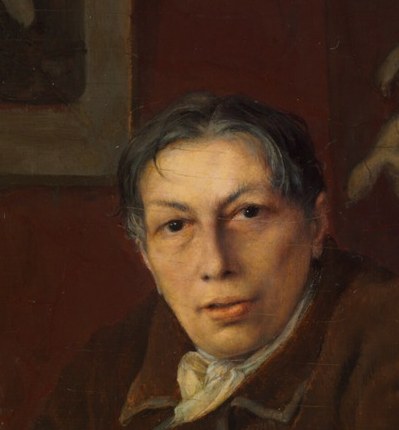
Jules Bastien-Lepage's “Albert Wolff in His Study,” painted in 1881, captures one of the most influential art critics of his time, in his natural habitat. This oil painting is part of the collection at The Cleveland Museum of Art.
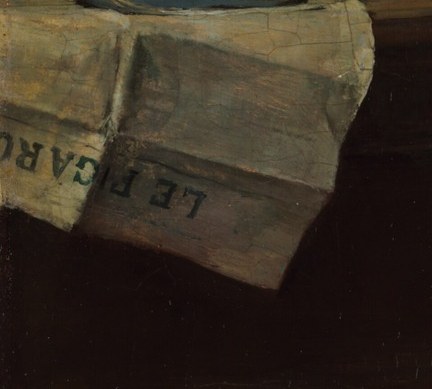
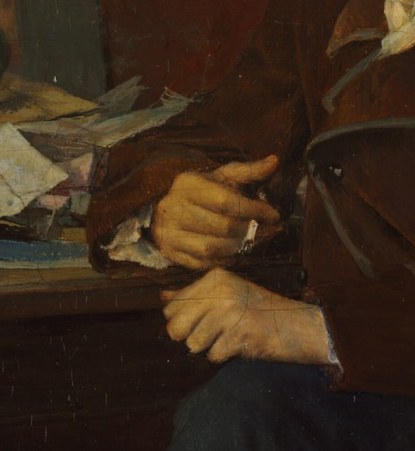
Look closely at the cluttered desk, the newspaper, and the small objects, including a curious black cat statue. These details immerse you in Wolff's world, hinting at his intellectual life and perhaps his personality.
Albert Wolff, a prominent writer for Le Figaro, held immense sway in the Parisian art world. He was known for championing artists he admired, and Bastien-Lepage, who bridged Realism and Impressionism with his Naturalist style, was one of them. This portrait is a testament to their connection, with the painter elevating his patron.
The painting offers a glimpse into the dynamic between critics and artists in the late 19th century. What do you think this portrait communicates about power in the art world?
Details
Transcript
This is Albert Wolff, a powerful art critic in 1881 Paris. He wrote for Le Figaro, then Paris's most widely read newspaper. Wolff was a kingmaker, championing artists he favored. Including this painter, Jules Bastien-Lepage. Bastien-Lepage was less famous than his subject. His meticulous naturalism made Wolff a sympathetic figure.