Portrait of a Man by Bartholomeus van der Helst
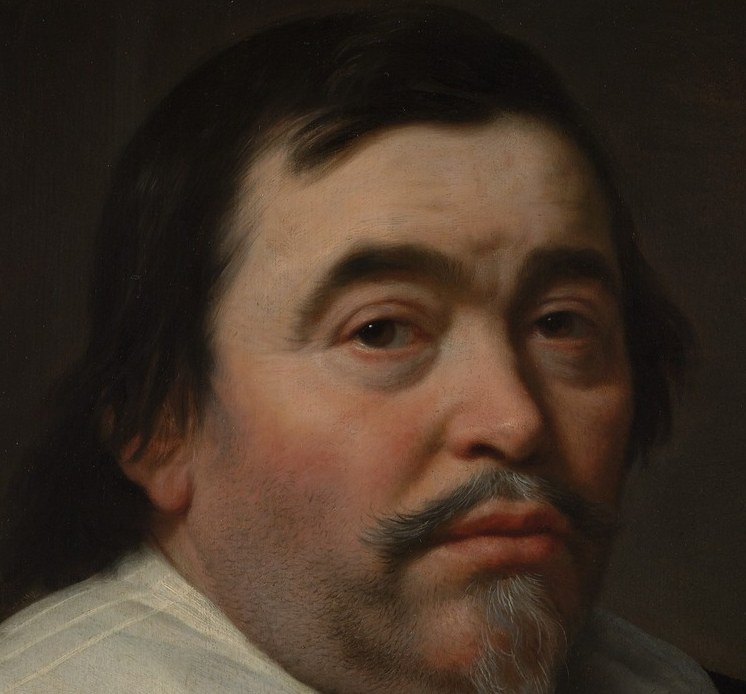
Step back into the Dutch Golden Age with Bartholomeus van der Helst's 'Portrait of a Man,' painted in 1647. This elegant oil painting, held at The Metropolitan Museum of Art, showcases the artist's remarkable ability to capture a lifelike resemblance and the distinguished presence of his sitters.
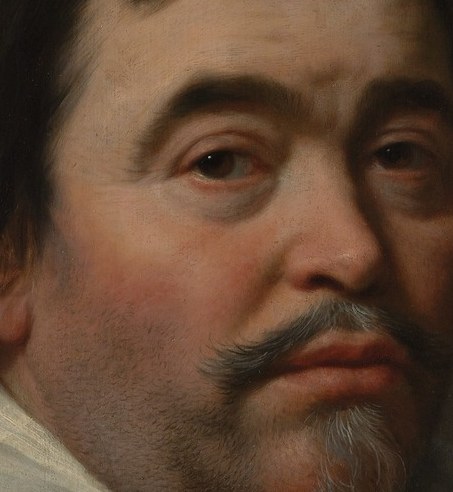
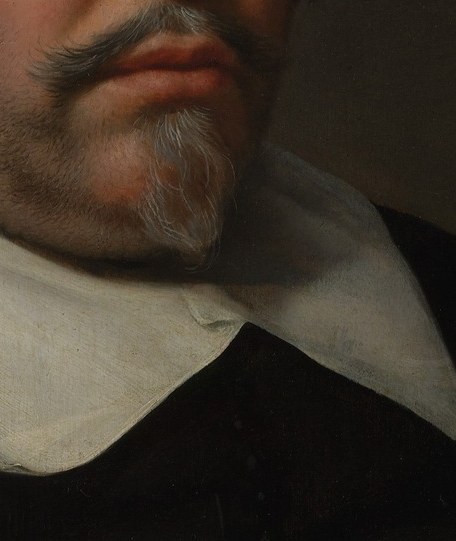
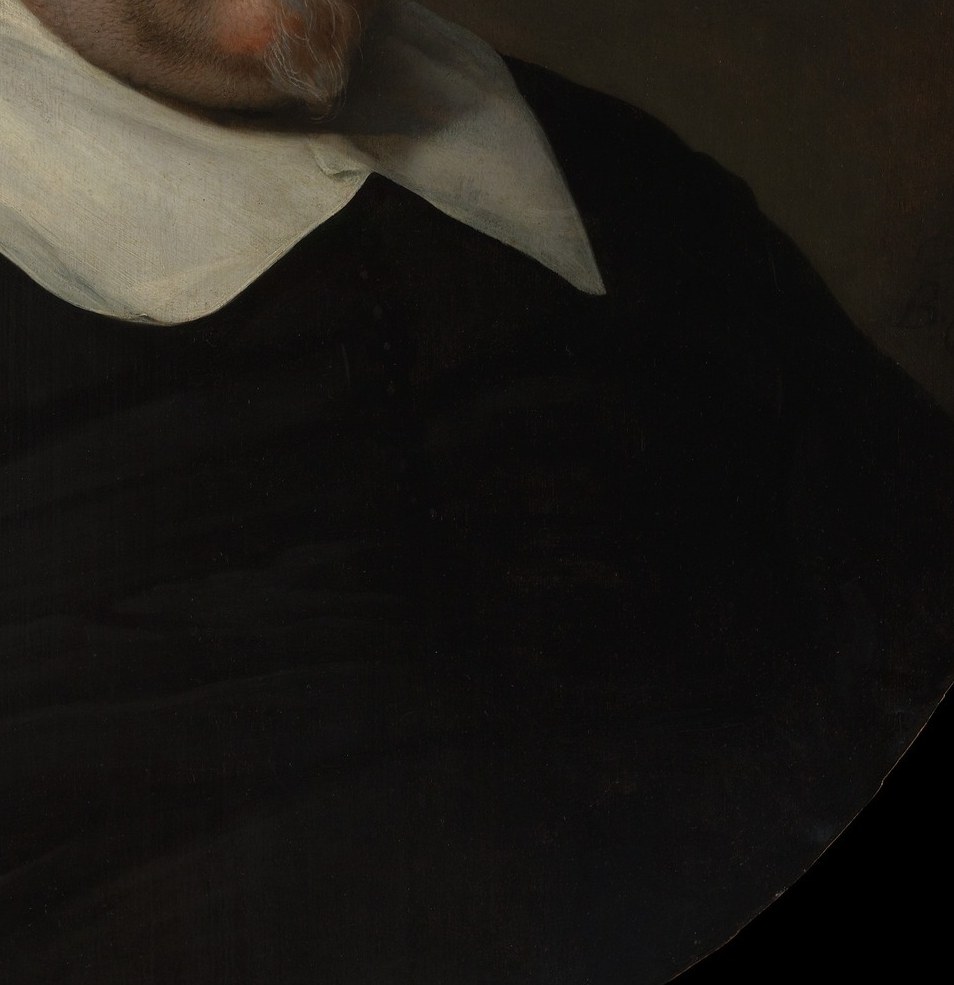
Van der Helst meticulously rendered details, from the subtle textures of the man's skin to the crisp folds of his white collar, highlighting his status. The deep, dark background focuses all attention on the subject's face, conveying a sense of quiet confidence and refined dignity.
As a leading portraitist in 17th-century Amsterdam, van der Helst was highly sought after by the city's prosperous merchant class and the Stadtholder's court. His portraits served to document and elevate the social standing of the Dutch elite during a period of great economic prosperity.
This painting is a testament to the enduring power of portraiture to capture not just a face, but an era. What details do you notice first?
Details
Transcript
Meet a man from the Dutch Golden Age. This painter was a master of individual likeness. He captures the subtle texture of the skin. And the crispness of his starched white collar. He was sought after by Amsterdam's wealthy elite. His expression, calm yet intense, conveys gravitas.