Mound of Butter by Vollon, Antoine
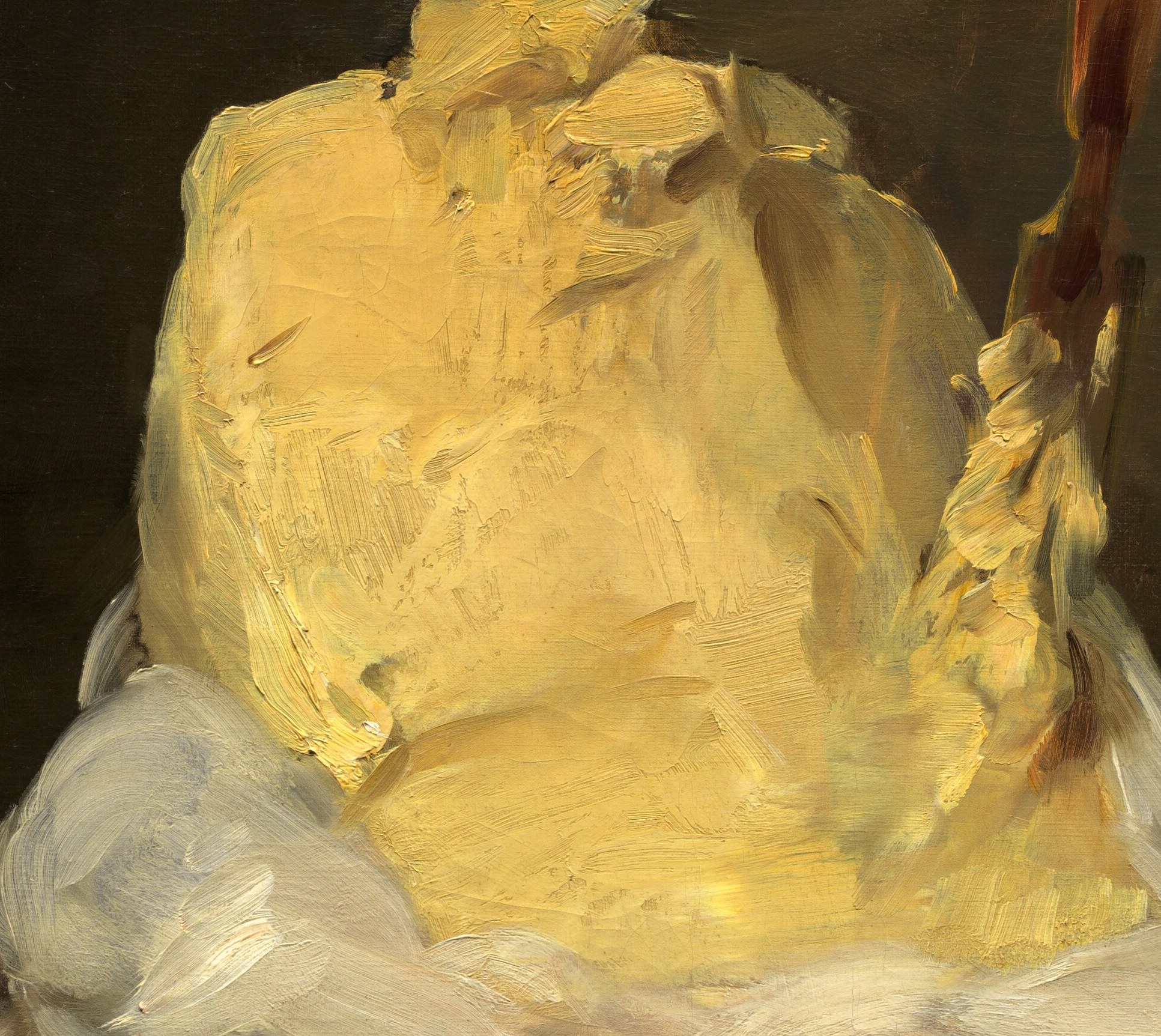
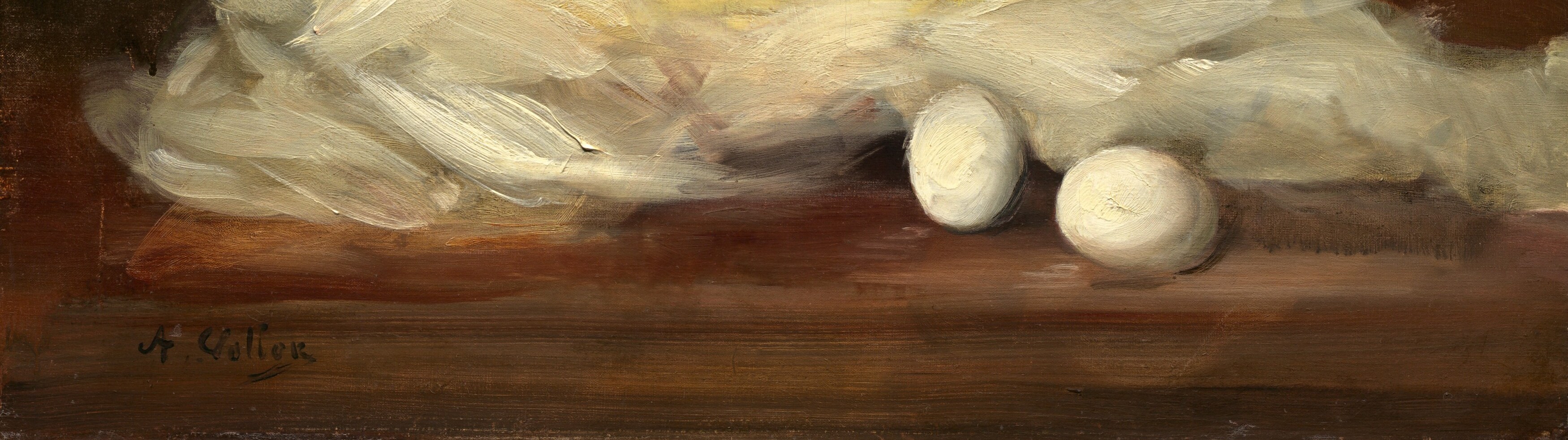
This is 'Mound of Butter' by Antoine Vollon, painted between 1875 and 1885 and held at the National Gallery of Art in Washington, D.C. It is widely considered one of the museum's hidden gems, a painting so realistic that visitors often mistake it for a photograph. Vollon built his reputation on a radical idea for the time: that a simple pat of butter deserved the same careful attention as a royal portrait.
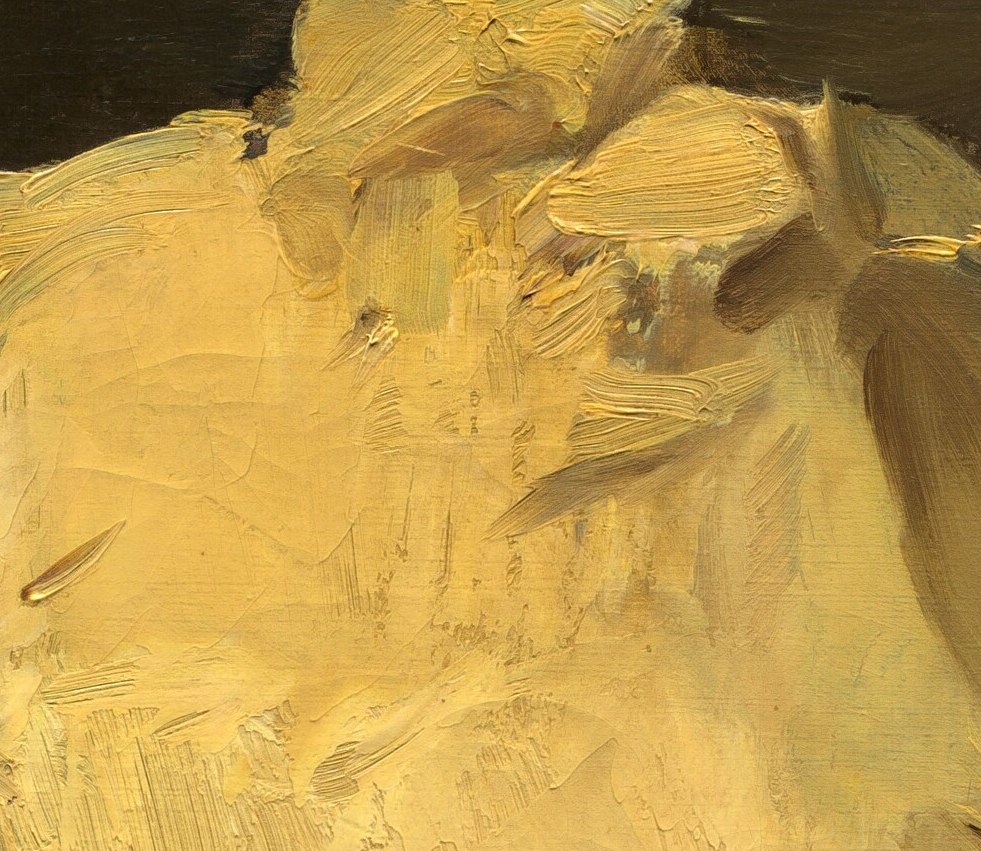
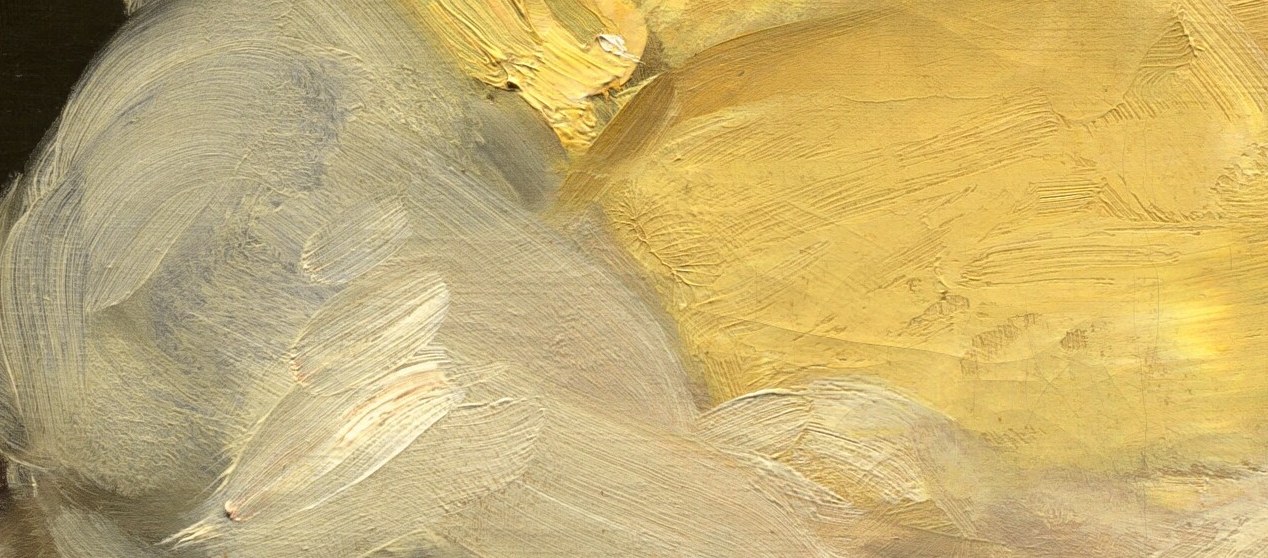
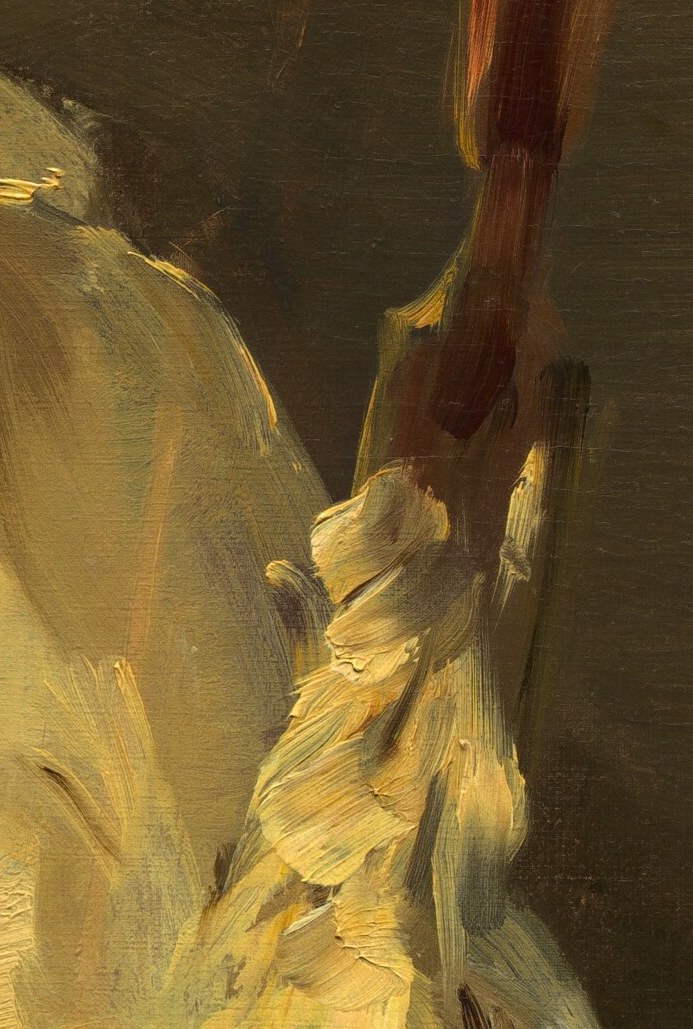
The whole illusion hangs on a few square inches of canvas. Look at the peak of the mound, where thick, buttery brushstrokes rise off the surface to mimic solid dairy, then notice the margins where Vollon dragged a dry brush to soften the edge into a blur. The brightest highlight is mostly white paint with a whisper of ochre, a single stroke that convinces your eye the surface is cold and wet. The shadow tucked beneath the knife does the rest of the heavy lifting, giving the mass its weight.
Vollon was a Lyon-born realist who worked through the era of Impressionism without ever chasing it. While his contemporaries dissolved the world into light and air, he kept painting copper pots, fish, and cheese with obsessive precision. His peers in the Barbizon school had already turned toward everyday subjects, but Vollon pushed further, making the mundane feel monumental. This painting stayed in private hands until the mid-20th century, when it entered the National Gallery's collection and quietly became a favorite of those who stumble upon it.
Next time you spread butter, consider the work it took to make it last 150 years in paint. What ordinary object in your kitchen would you want to preserve this carefully?
Details
Transcript
It looks like a photograph of butter on a table. But this is pure oil paint, laid down nearly 150 years ago. The artist was a French realist who obsessed over ordinary things. Look at the heavy, buttery brushstrokes that build the peak. Now see how he blurs the edge with a dry brush to catch the light. The deepest shadow is painted directly beneath the knife. A smear of pure white makes wet dairy feel cold to the eye.