Landscape with Fishermen and Farmers Extracting Peat in a Marsh by Hendrik Willem Schweickhardt
This tranquil scene, "Landscape with Fishermen and Farmers Extracting Peat in a Marsh" by Hendrik Willem Schweickhardt, painted in 1792, tells a dramatic story beyond its visible details. When French revolutionary forces invaded the Netherlands in 1795, this painting, along with others, was hidden to protect it from being looted by Napoleon's troops.
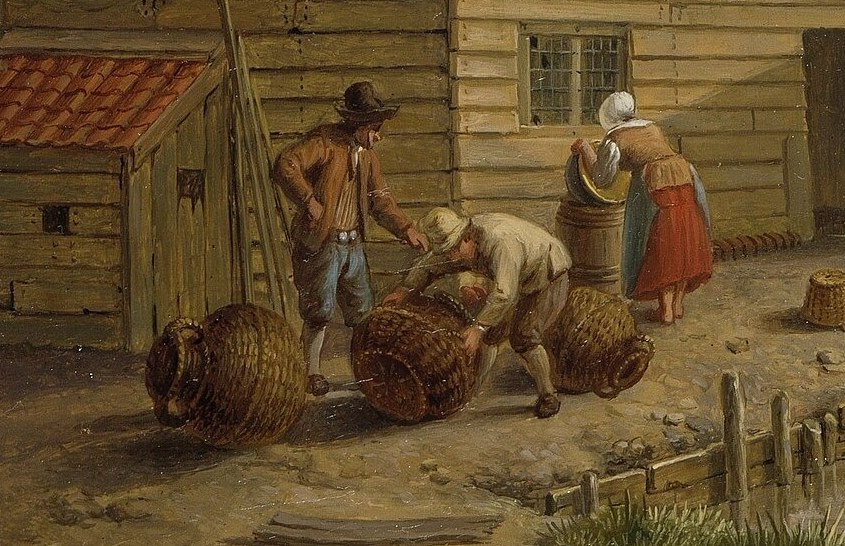
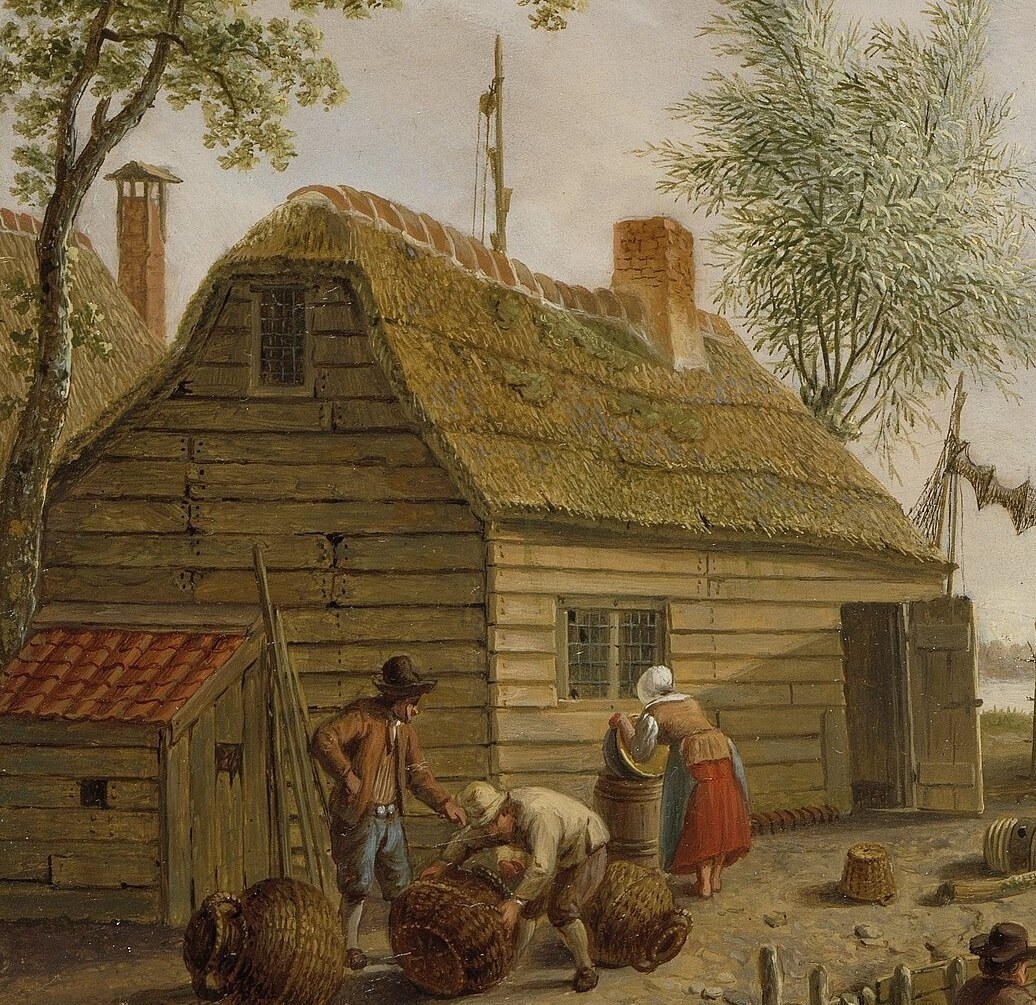
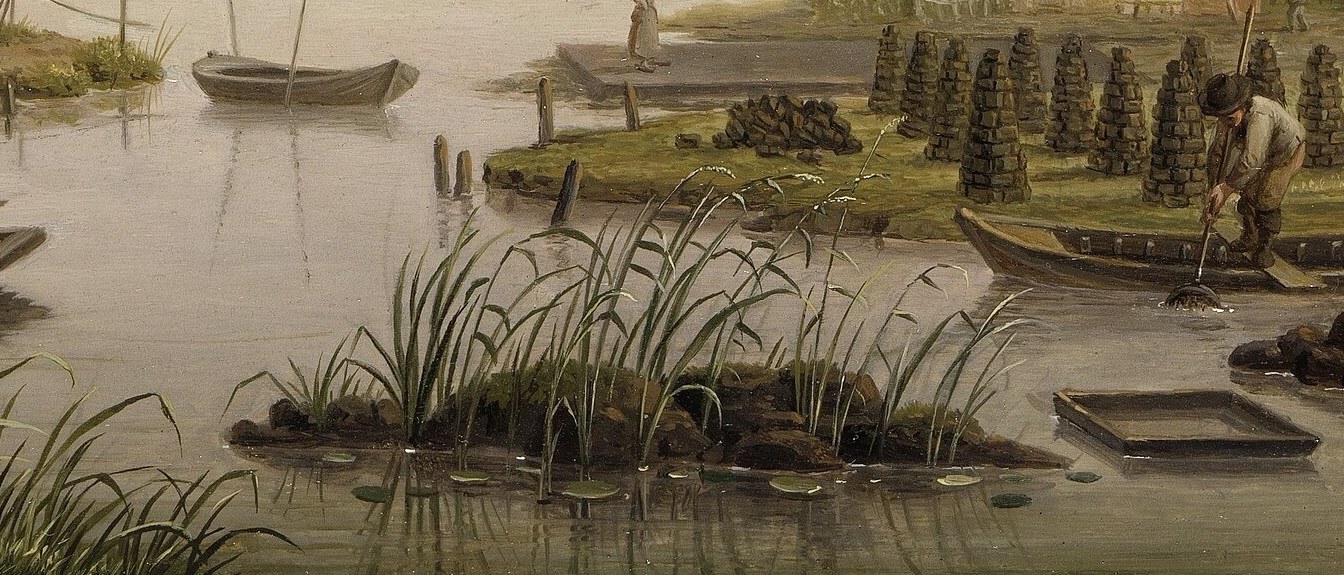
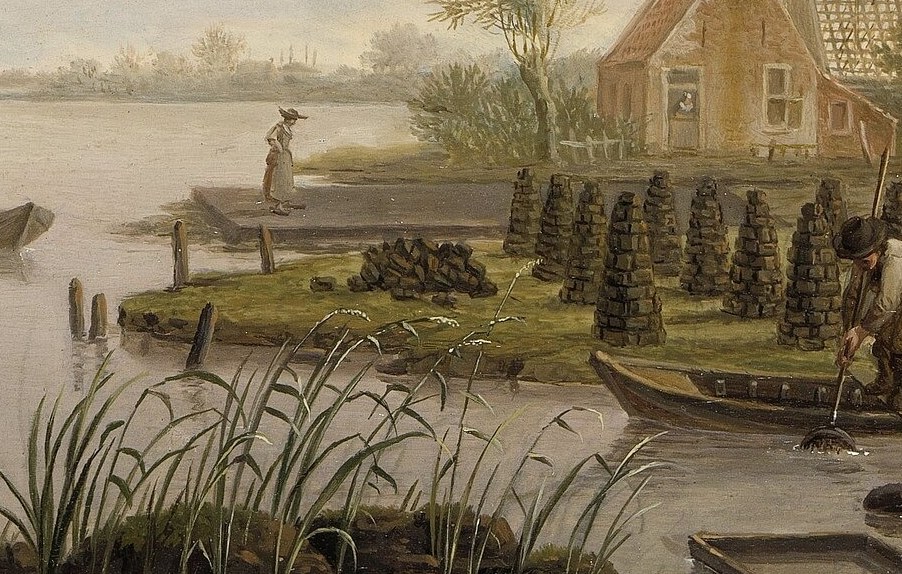
Look closely at the figures diligently at work, extracting peat for fuel and casting nets for fish. These everyday activities capture the resourcefulness required to thrive in the marshlands, a common theme in Schweickhardt's art.
It was safely kept from plunder for years, reflecting the turbulent times in which it was created. Today, it is part of the Rijksmuseum's collection, a testament to both late Enlightenment landscape art and the resilience of cultural heritage.
What other secrets might historical paintings hold?
Details
Transcript
This painting shows daily life in a Dutch marsh. People extract peat for fuel, and fish for food. The painter was known for these quiet, rural scenes. In 1795, French troops invaded the Netherlands. So this painting was hidden to save it from looting. It was kept safe from Napoleon's plunder for years.