Still Life with Asparagus and Red Currants by Coorte, Adriaen
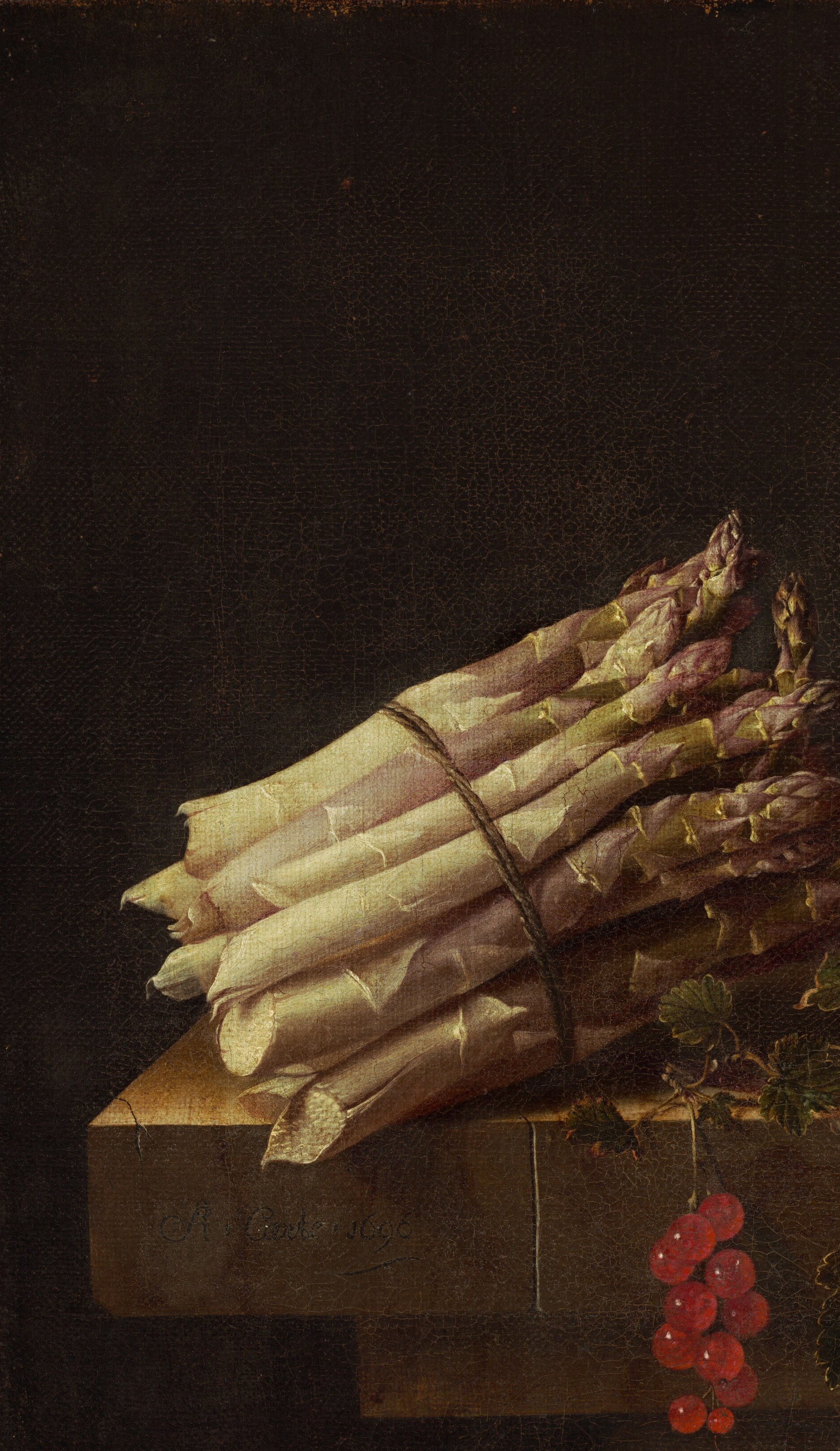
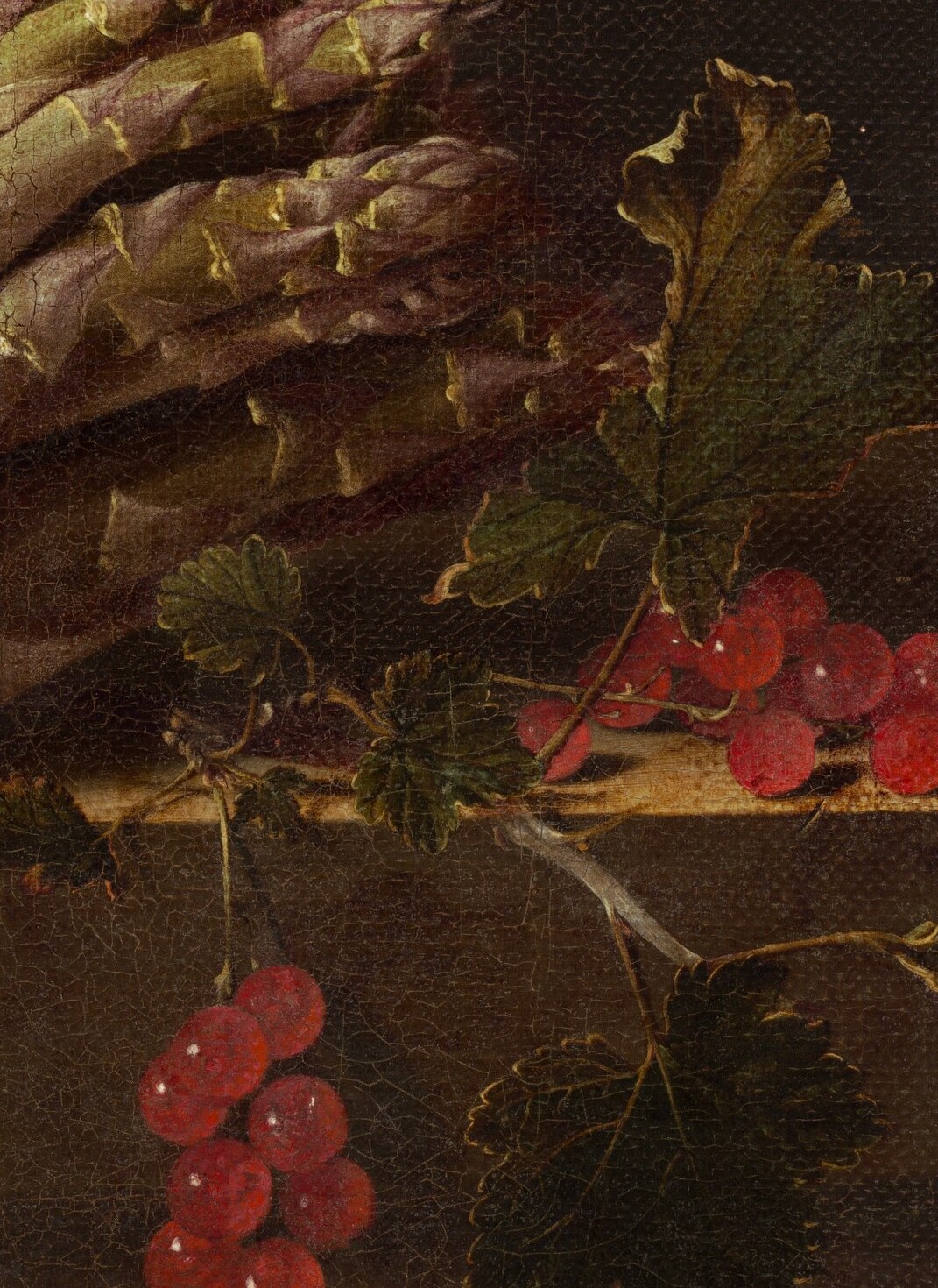
This is Adriaen Coorte's 'Still Life with Asparagus and Red Currants,' painted in 1696 and now in the collection of the Rijksmuseum. It is one of the most improbable survival stories in Dutch art. For over 250 years, Coorte was a ghost: no biography, no auction records, and only a handful of signed works known to a few specialists. The artist had simply fallen out of the historical record entirely.
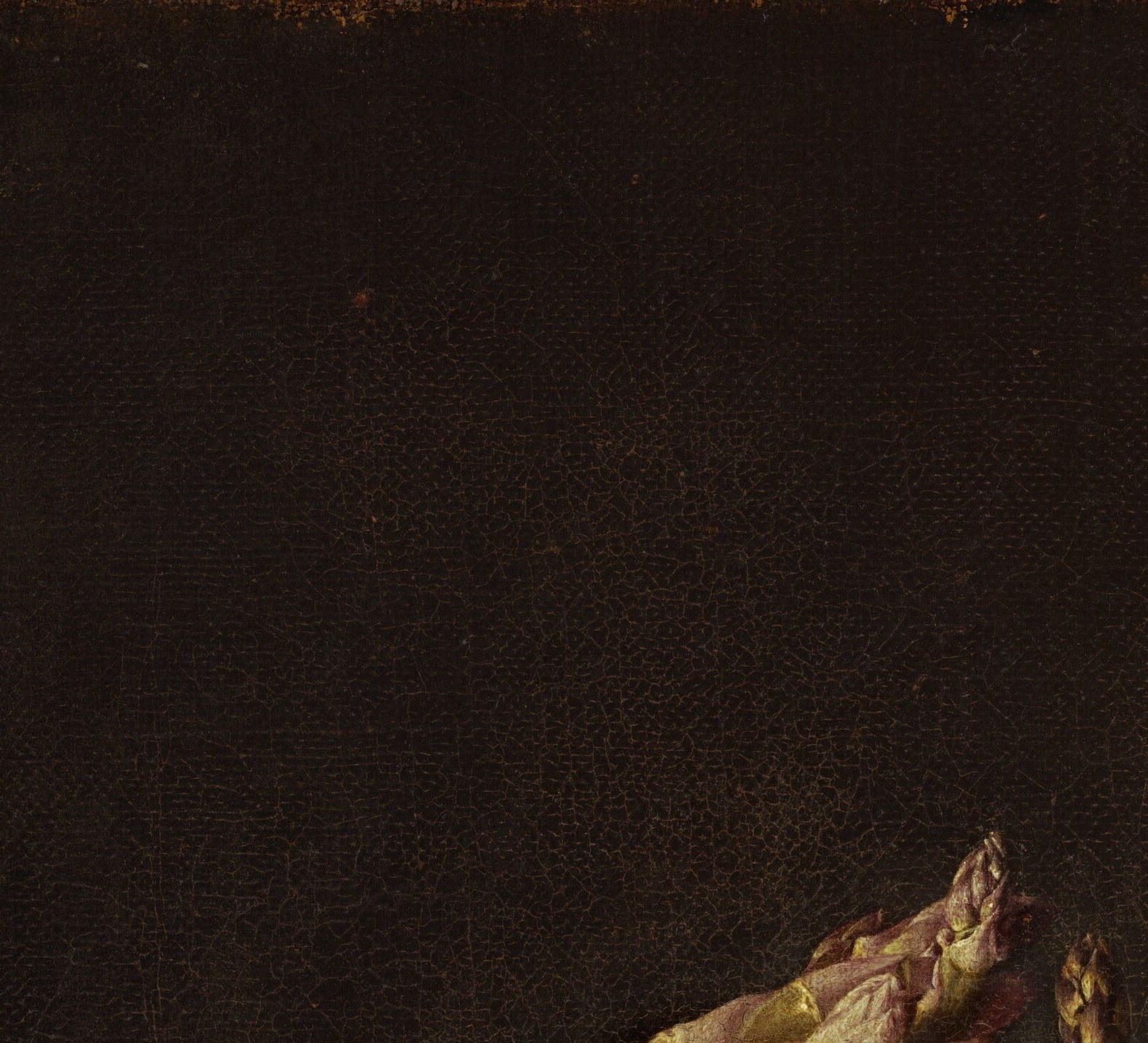
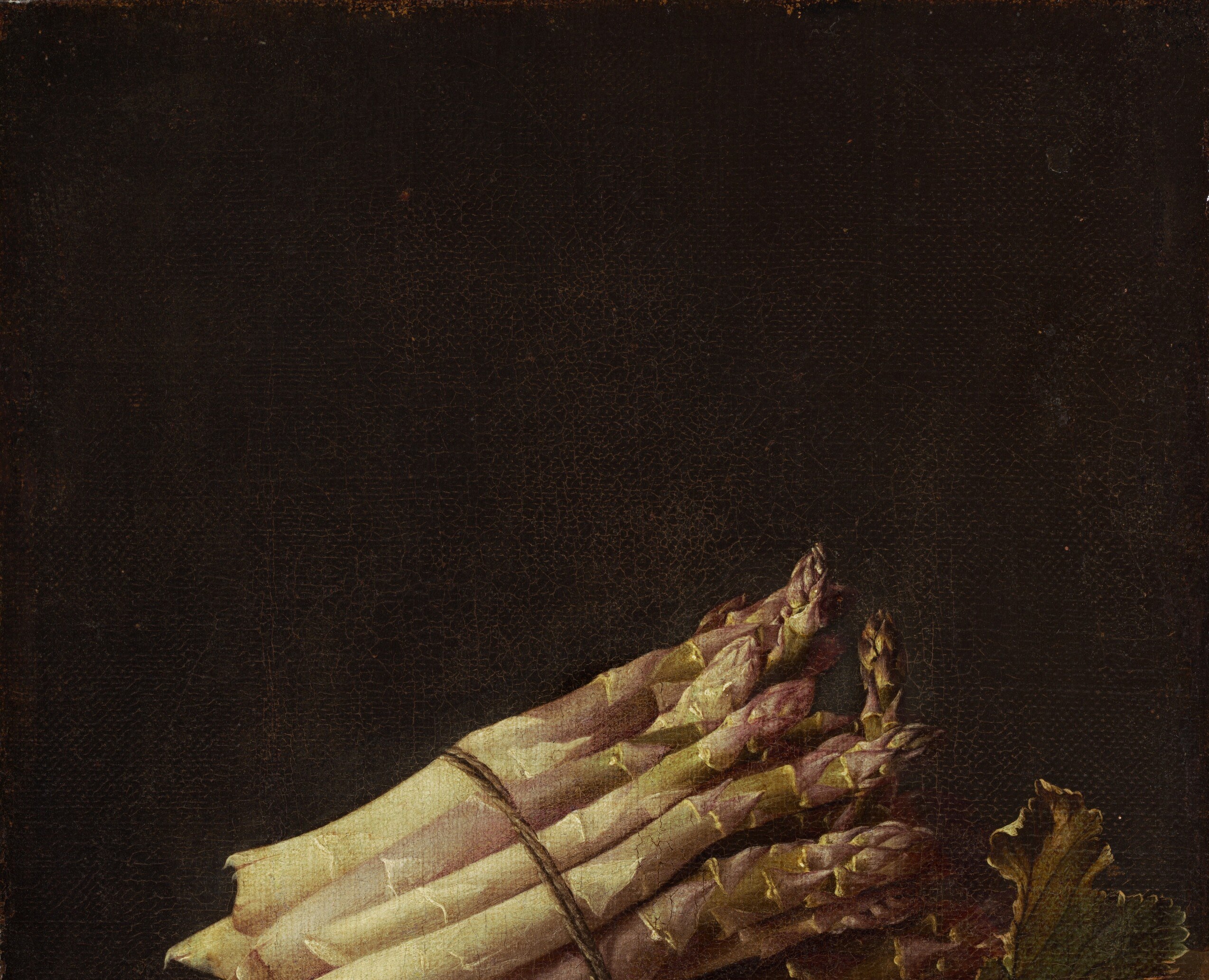
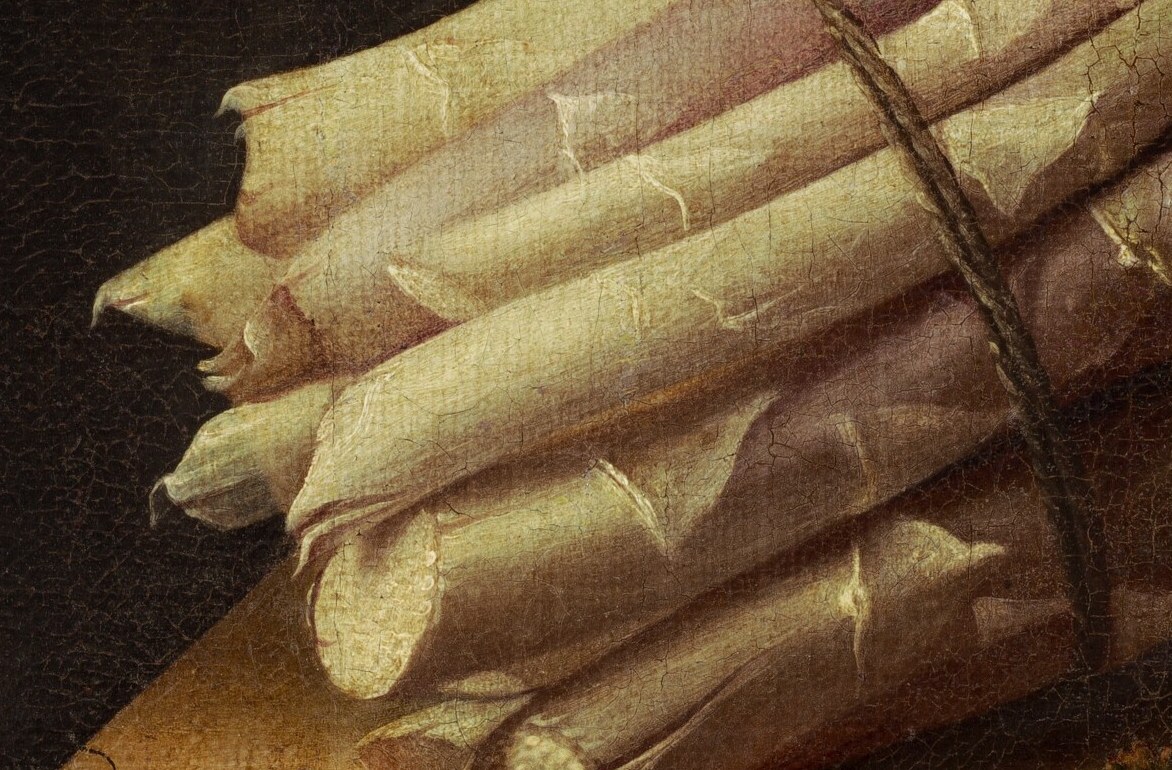
Then, in the 1950s, the art historian Laurens J. Bol traced a rumor to a remote cottage. The owner opened a cupboard and showed him this painting. Bol recognized the signature immediately. The owner explained he could never sell it because the asparagus looked so real that he felt he could reach in and pick it up. That illusion, achieved with nothing but a dark void and a stone ledge, had single-handedly kept the painting safe for generations.
Coorte's own life remains largely a cipher. He worked in a style that was already considered old-fashioned in 1696, painting small, hauntingly spare still lifes while his contemporaries filled canvases with silver and game. He disappeared from record after 1707, and no portrait of him exists. The rediscovery of this cupboard painting triggered a reassessment that has since placed him among the most admired still-life painters of the Dutch Golden Age. What was once worth a cottage owner's affection is now valued in the millions.
Details
Transcript
In 1950, an art historian knocked on a cottage door. The owner kept this painting in a cupboard. He said the asparagus looked so real, he couldn't part with it. Adriaen Coorte had been nearly erased from history. No auction record, no biography, no known signature after 1707. Then this cupboard painting surfaced, signed and dated 1696. Today it hangs in a major museum, worth millions.