Portrait of a man, probably Pieter Anthonisz van Bronckhorst (1588-1661) by Anthonie Palamedesz
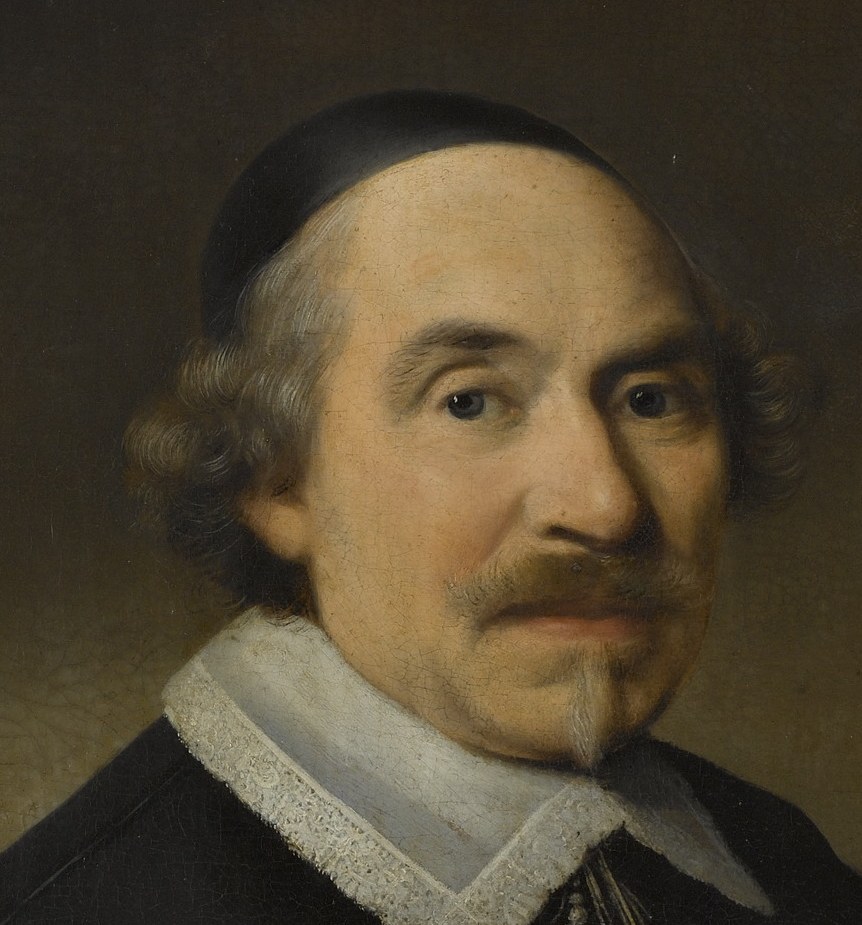
This striking "Portrait of a man, probably Pieter Anthonisz van Bronckhorst" by Anthonie Palamedesz, painted in 1652, hangs in the Rijksmuseum. It's a classic example of Dutch Golden Age portraiture, at first glance seemingly straightforward.
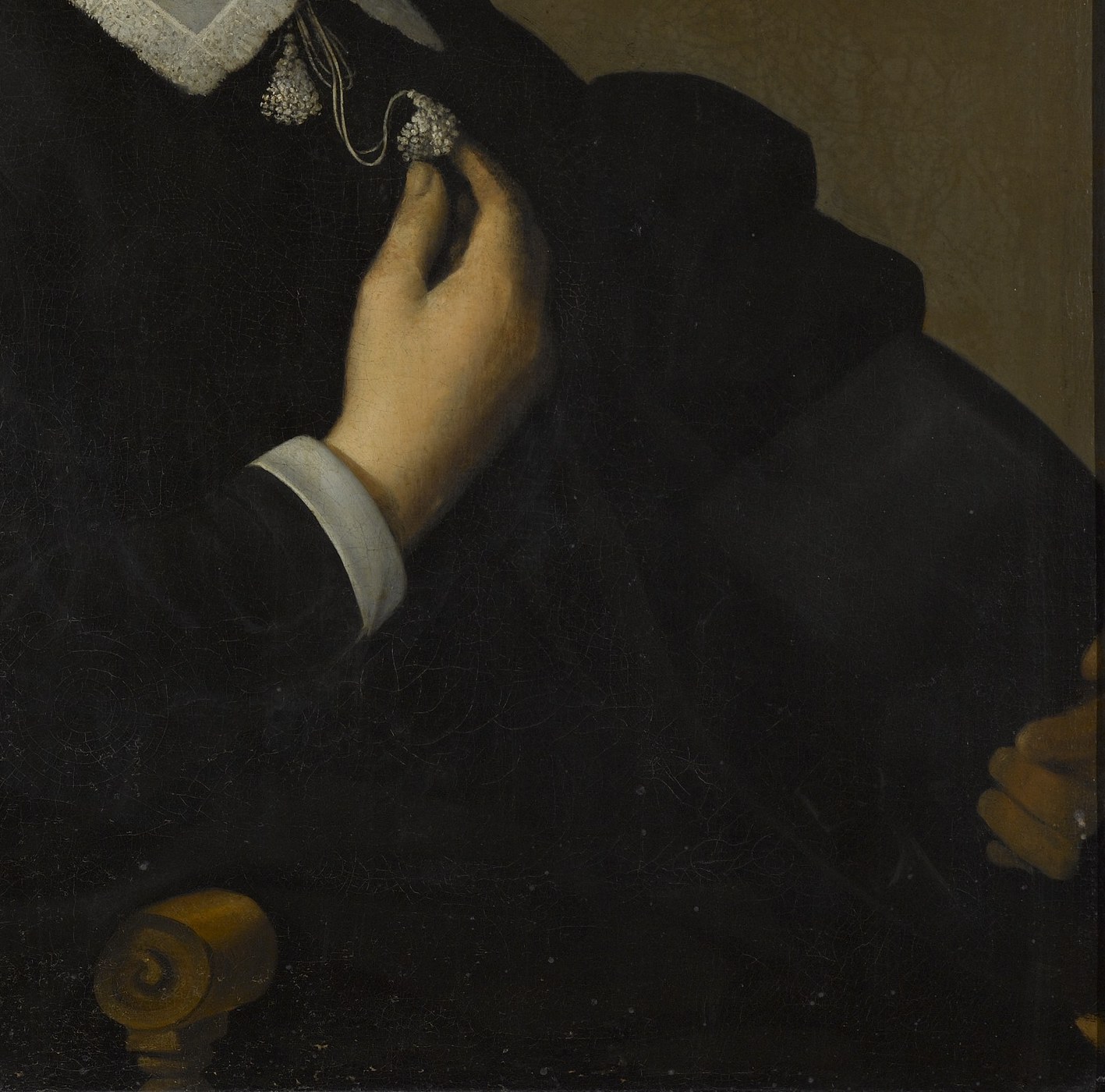
The sitter, Pieter Anthonisz van Bronckhorst, was likely a municipal official or merchant. His gold chain wasn't just jewelry; it was a mark of civic honor in the Dutch Republic, signifying his important role in society. The artist, Anthonie Palamedesz, was known for his precise technique and ability to capture individual character.
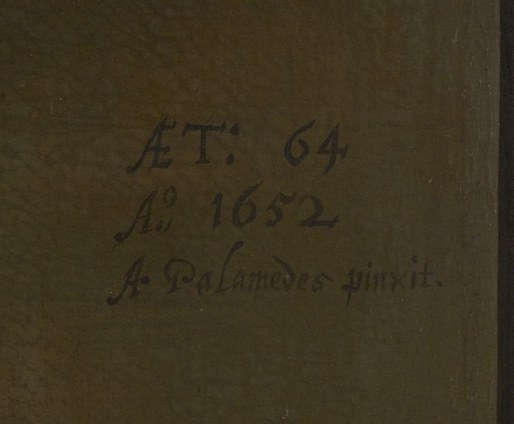
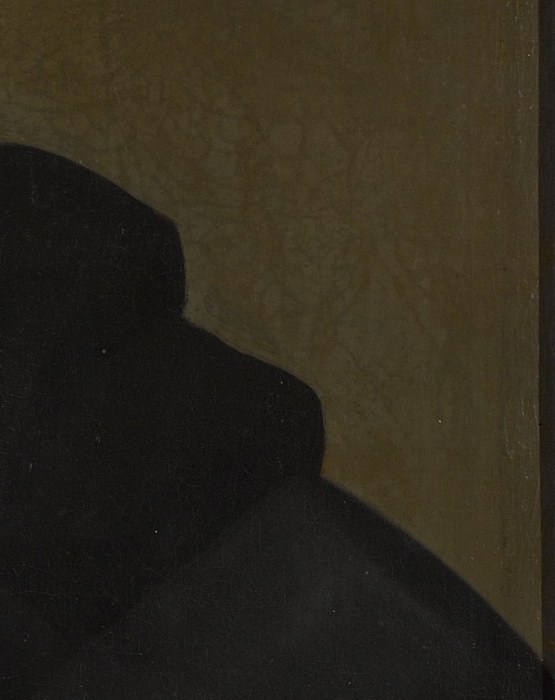
But the painting holds subtle secrets: look closely at the background. A faint inscription, perhaps the artist's signature or date, is almost lost in the shadows, and an indistinct bust adds a quiet layer of detail, hinting at the sitter's scholarly interests or the classical influences in his home. These small elements reward a closer look, revealing more about the man and his world.
What other subtle details do you notice in historical portraits?
Details
Transcript
This Dutch Golden Age portrait seems straightforward. The man, Pieter van Bronckhorst, was likely a city official. His gold chain was a symbol of civic honor. But look closely, there's a detail easily missed. In the shadow, a faint inscription marks the painter's presence. And a shadowy bust suggests his interests or surroundings.