Man with Pipe by Cezanne, Paul
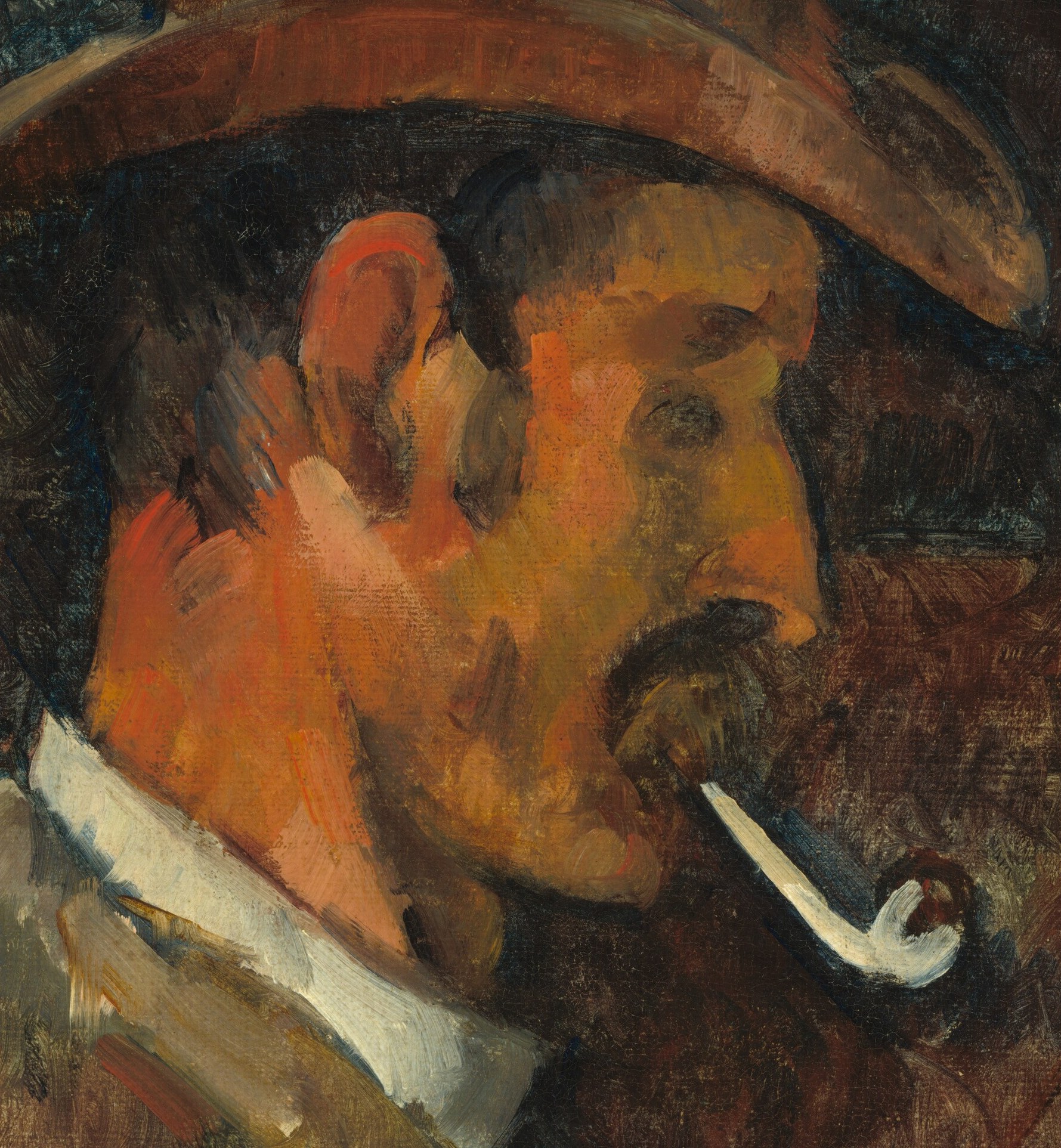
Paul Cézanne's "Man with Pipe," painted around 1894, captures the quiet dignity of a laborer, a common subject for the artist from his native Provence. This oil on canvas, now in a private collection, showcases Cézanne's distinctive approach to portraiture.
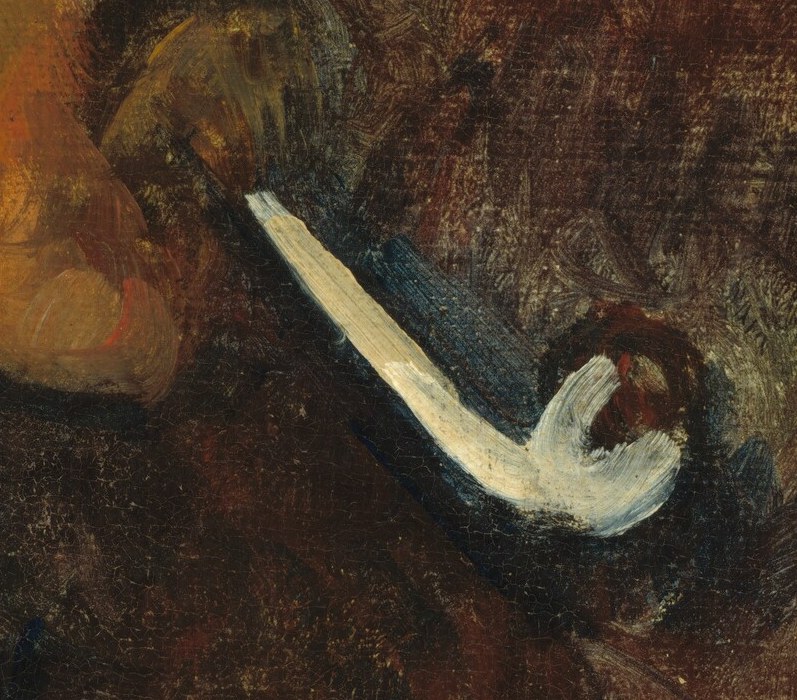
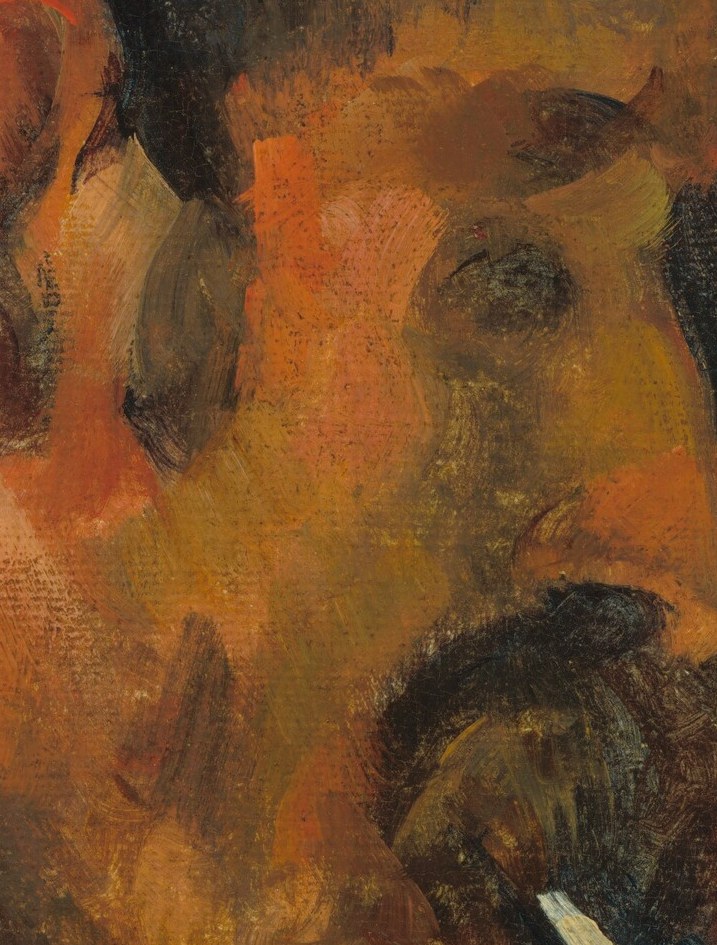
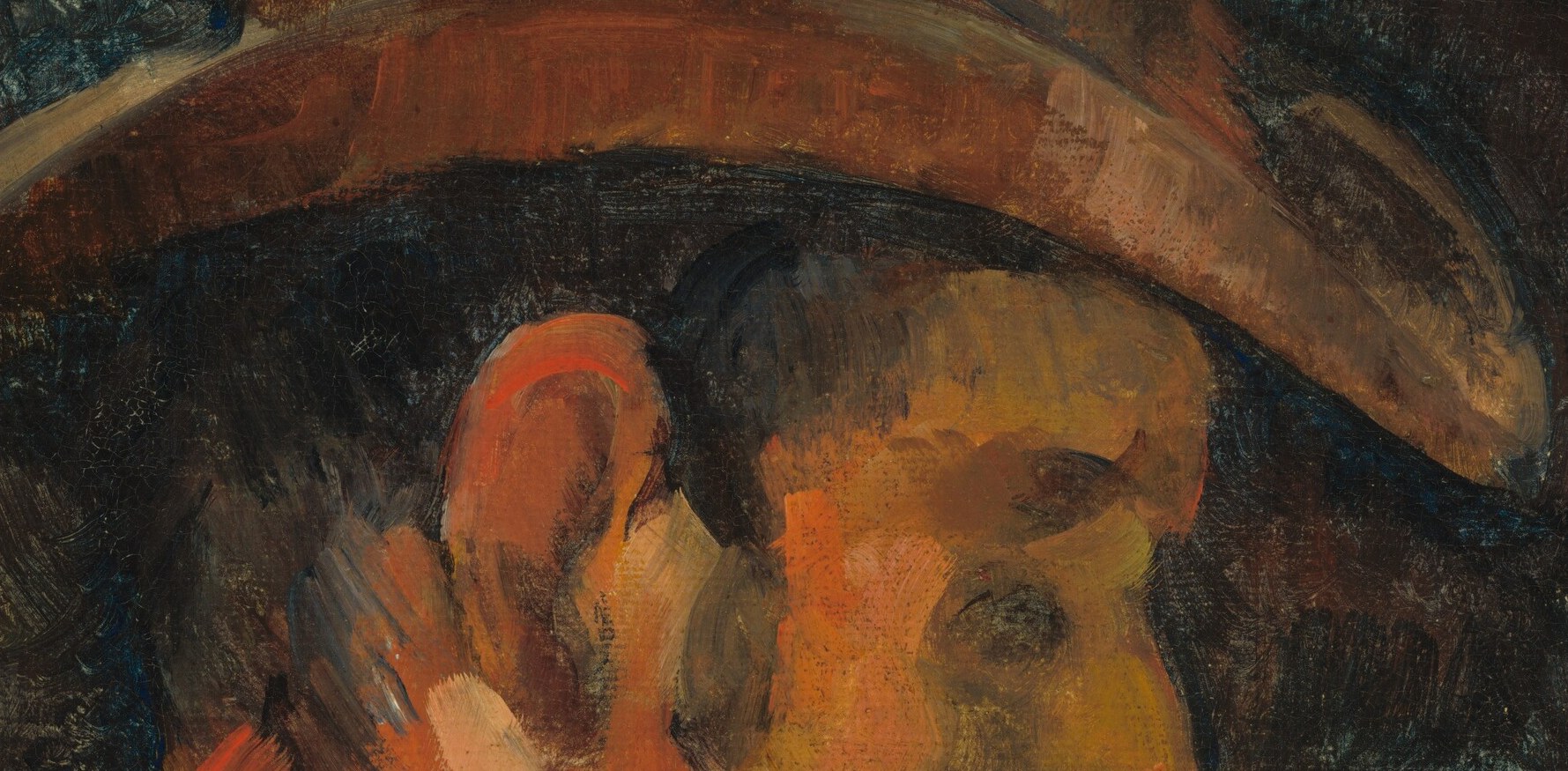
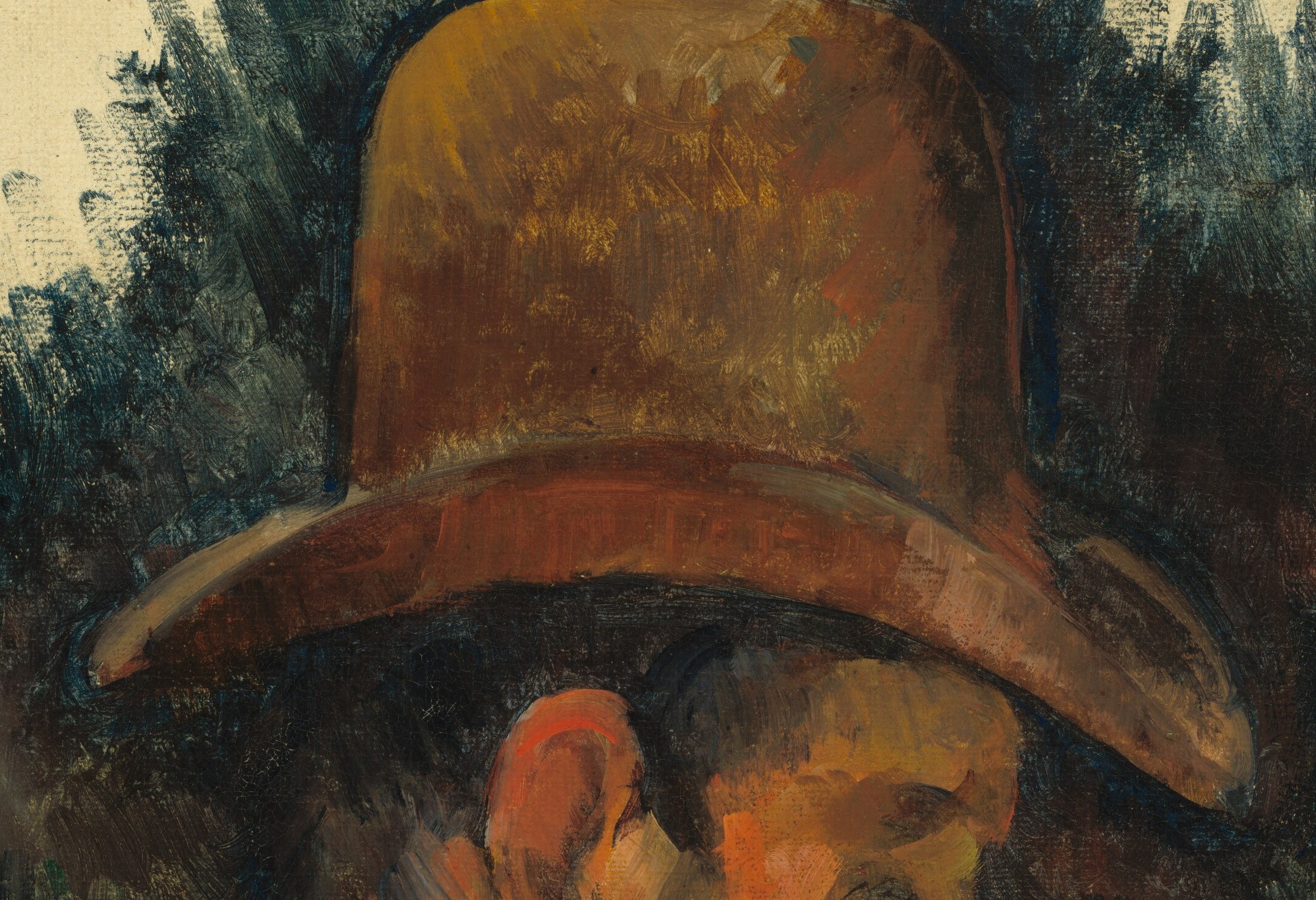
Look closely at how the painter used thick, visible brushstrokes to construct the man's face and features, like his ruddy cheek and prominent nose. The deep shadow cast by his brown hat adds an element of contemplation, emphasizing the simple, everyday act of smoking his pipe.
Cézanne, the son of a wealthy banker, spent much of his life in Aix-en-Provence. He often returned to local figures and laborers as models, prioritizing the structural elements of his compositions over idealized rendering. His method was to build form with paint, reflecting how he perceived his subjects rather than merely copying them. This painting exemplifies his exploration of form and texture, making the subject's presence tangible through the robust application of paint.
What do you see in the painter's brushwork that brings this man to life?
Details
Transcript
This man from rural Provence, painted in the 1890s. He was likely a laborer, a common model for this artist. His pipe suggests a quiet moment, a daily habit. The painter built his face with thick, visible brushstrokes. Notice the deep shadow under his hat, adding mystery. This artist rarely cared for smooth, idealized forms. He showed the world as he felt it, not just as it looked.