The Farm at the Entrance of the Wood by Rosa Bonheur
Rosa Bonheur, one of the most famous female painters of the 19th century, masterfully captured the tactile world around her. "The Farm at the Entrance of the Wood," painted around 1850 and held at The Cleveland Museum of Art, exemplifies her skill.
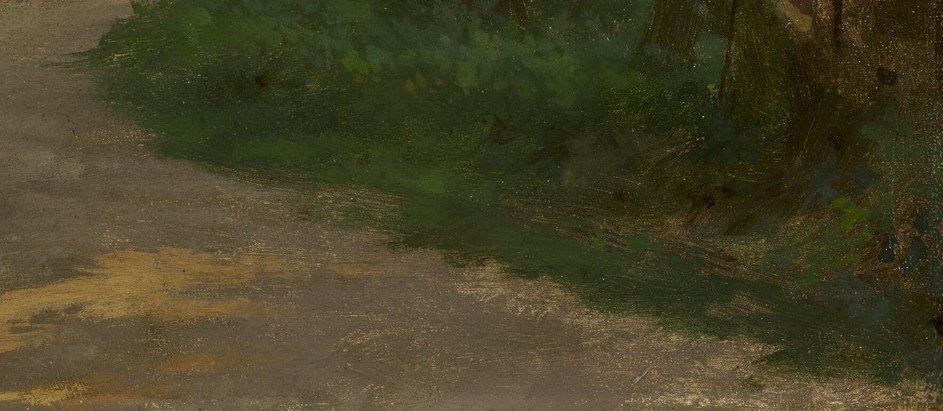
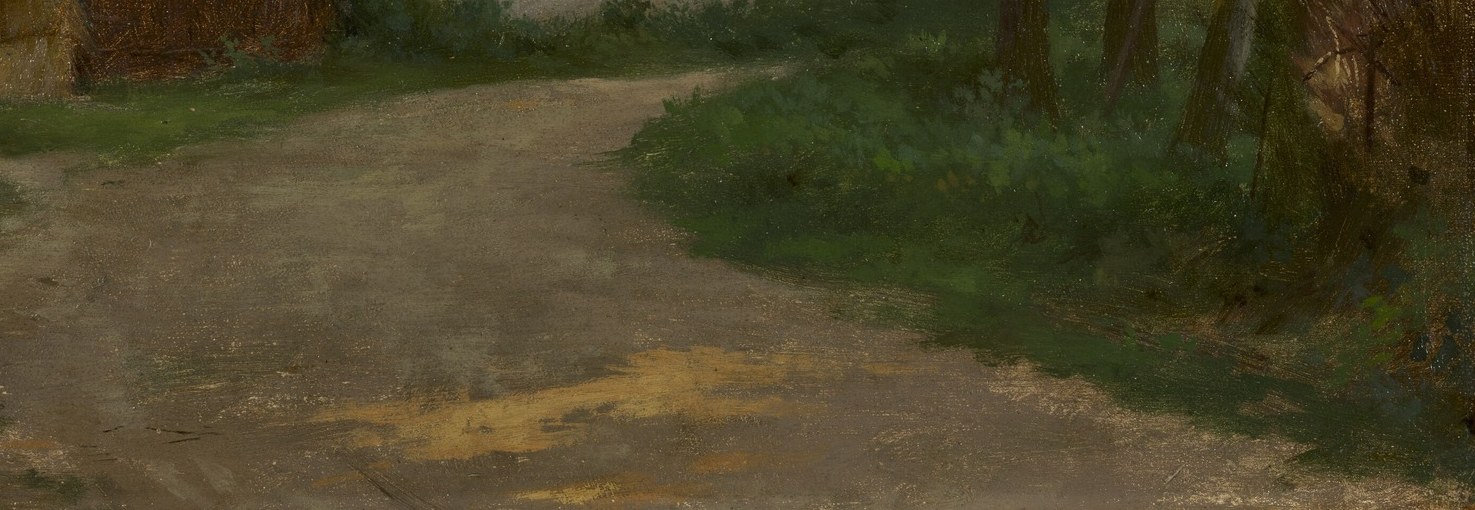
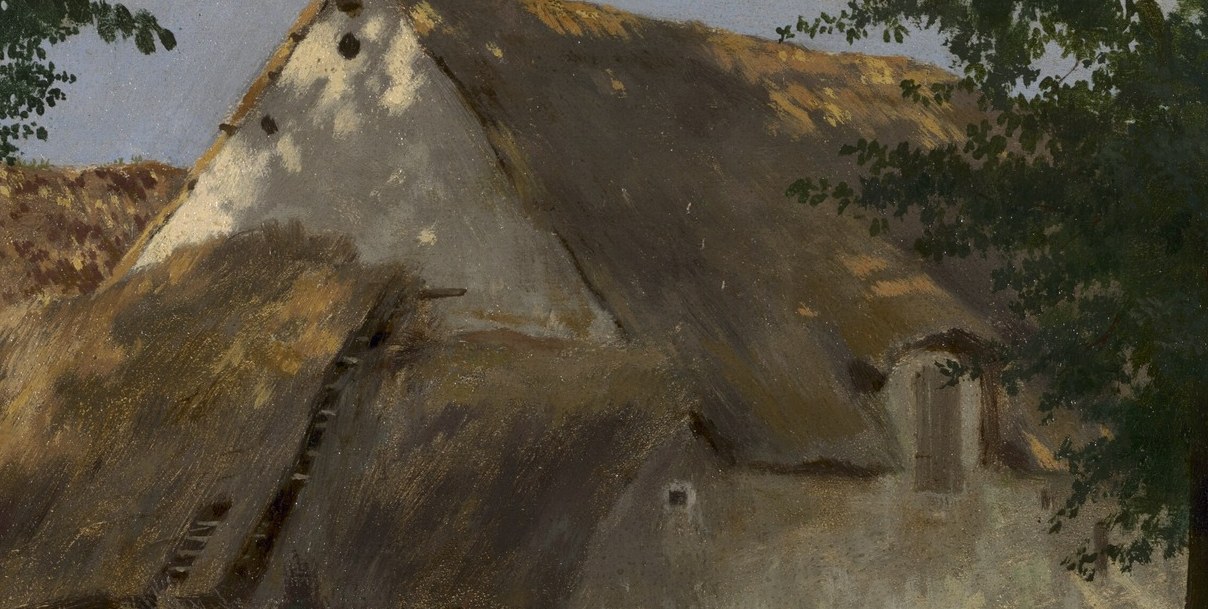
Bonheur's technique, particularly her use of impasto, makes the painting come alive. Look closely at the foreground: the thick application of paint transforms into the rough texture of a dirt road and wild grass. But the real virtuosity is on the thatched roof, where individual dabs of paint are layered to create a convincing, weathered surface you can almost feel.
Created early in her career, this work showcases Bonheur's dedication to painting directly from nature. She avoided romanticized drama, opting instead for an honest, dignified portrayal of rural existence, a hallmark of the Realist movement. This commitment earned her widespread acclaim, especially for her animal and landscape studies.
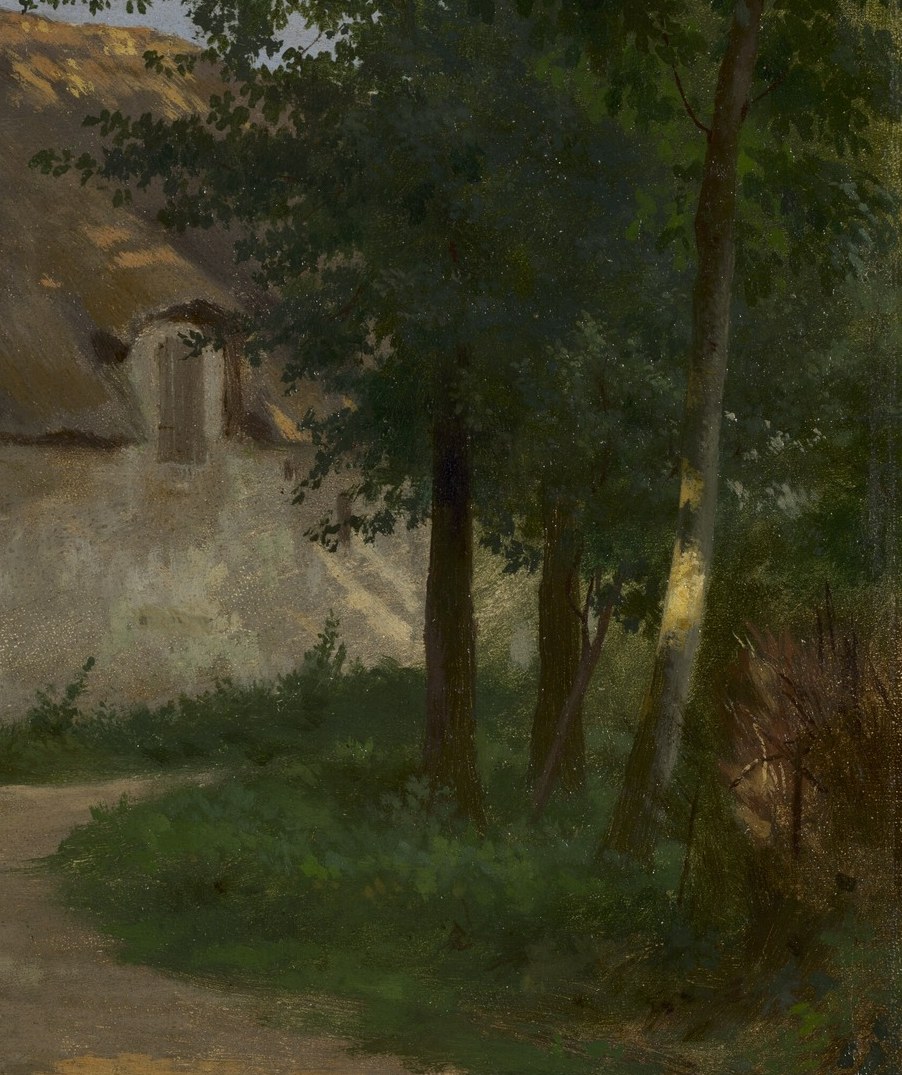
What other textures can you spot in her painting?
Details
Transcript
This painter was famous for her realistic landscapes and animals. She used thick paint to capture the textures of nature. See how the brushstrokes make the dirt road feel rough underfoot. But her trick shines on the farmhouse roof. Individual dabs of paint become straw, layer by layer. You can almost feel the dry, weathered thatch.