Dream Journey to Mt. Tiantai by Qian Du
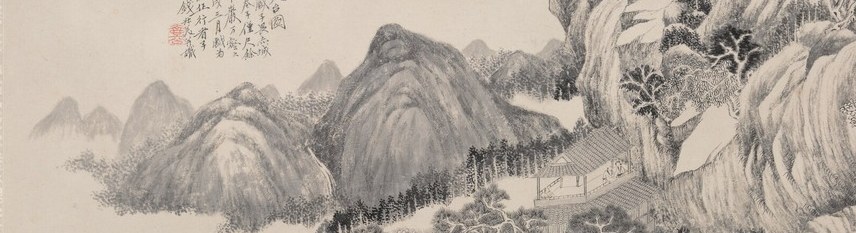
Qian Du's "Dream Journey to Mt. Tiantai," painted in 1814 during China's Qing Dynasty, offers a contemplative exploration of a spiritual landscape. This work, part of The Cleveland Museum of Art's collection, beautifully combines visual art with poetic expression.
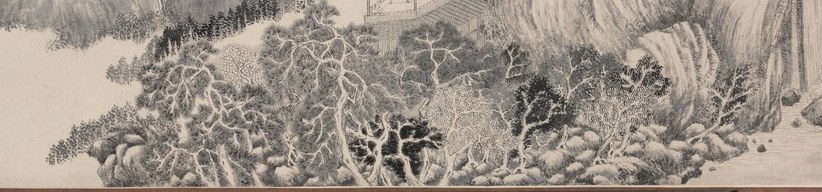
Observe the misty mountain peaks and gnarled pine trees, rendered with Qian Du's characteristic loose, sketchy brushstrokes. The inclusion of a long column of calligraphy is a key feature, deepening the viewer's engagement with the natural world.
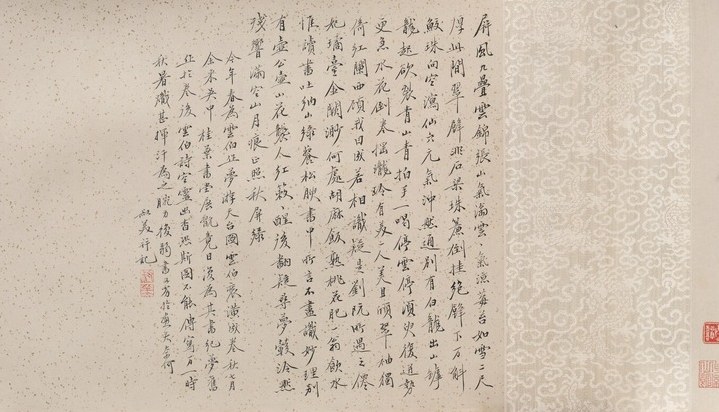
Integrating poetry directly into a landscape painting was a well-established tradition in East Asian art, allowing for a multi-layered experience. The vibrant red seals visible on the work are either the artist's own signature or marks from previous collectors, adding to the painting's rich history.
Qian Du, a landscape painter from Zhejiang province, was influenced by earlier masters like Wang Meng. What stories do you imagine within this dreamlike journey?
Details

Transcript
This dreamlike journey dates back to 1814, Qing Dynasty China. Its title suggests an imagined, spiritual exploration of a sacred mountain. The artist, Qian Du, used loose, sketchy strokes for this ethereal scene. Pine trees symbolize longevity and perseverance in Chinese culture. A long column of poetry further enriches the landscape. Integrating poetry directly onto paintings was a common tradition. Red seals are likely the artist’s signature, or a collector’s mark.