The Pelkus Gate near Utrecht by Jan van Goyen
View the artwork: The Pelkus Gate near Utrecht →
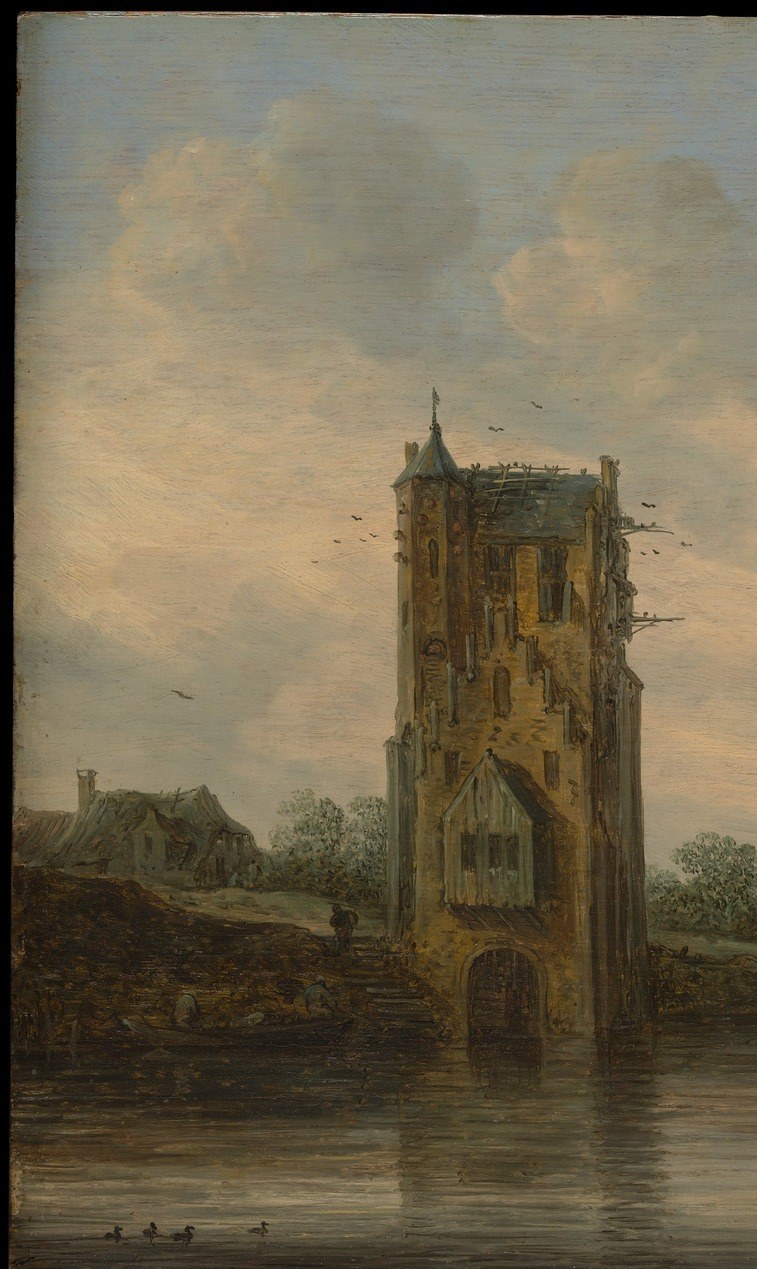
This is The Pelkus Gate near Utrecht, painted by Jan van Goyen in 1646. It hangs in a museum today as a serene Dutch landscape. But the weathered stone tower dominating the left side was not merely picturesque. It was the gate to a leper colony that had operated outside Utrecht since the Middle Ages.
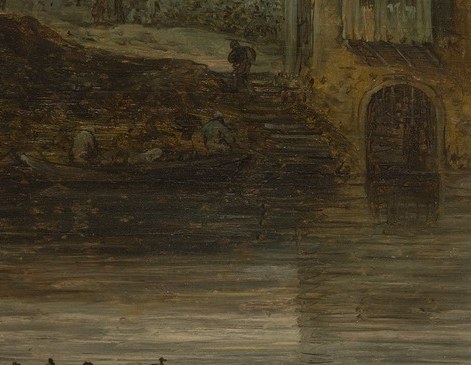
Look at the tower itself. Van Goyen gives you every crack and stain in the stonework, the dark roof where birds perch, the single arched opening at the water's edge. That arch was the entrance. For roughly 700 years, people entered through it and did not leave. The colony was still active when van Goyen set up his easel here.
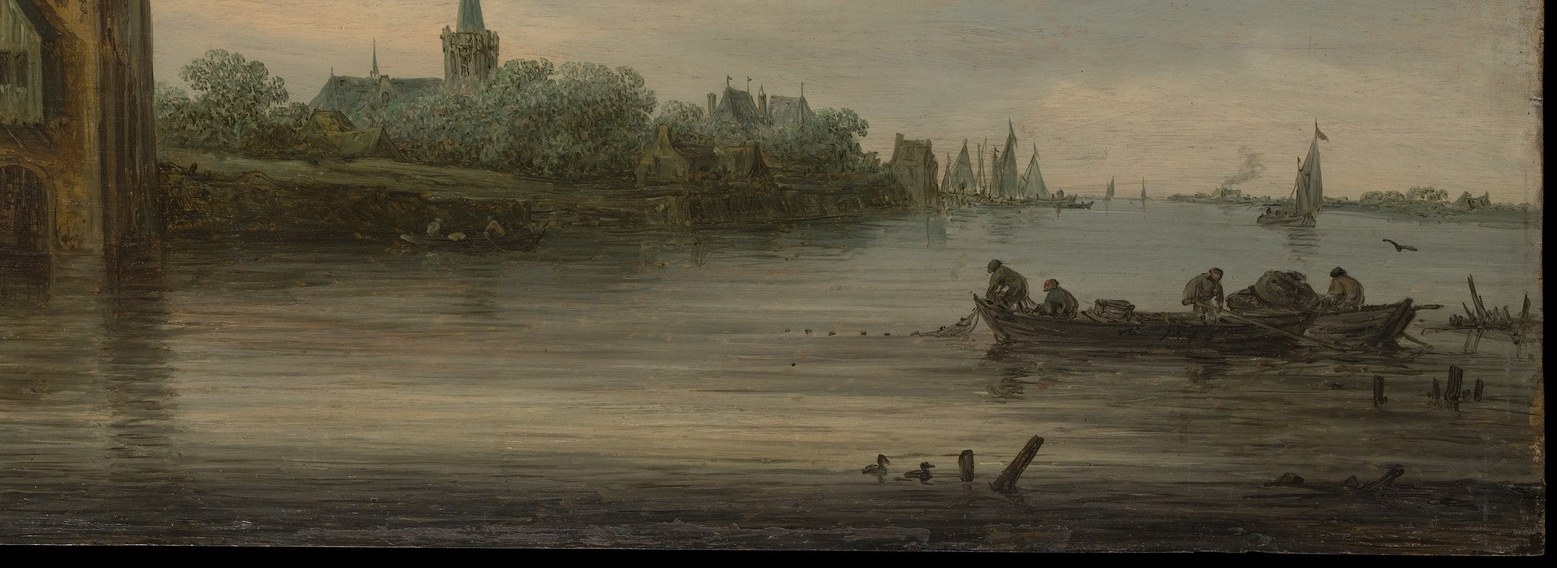
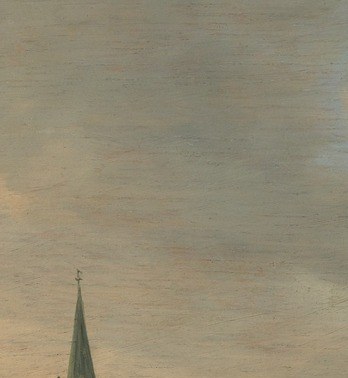
Now look across the river. A man rows a small boat in the foreground; a church steeple rises in the distance; houses cluster along the far bank. Ordinary life moved around this gate for centuries. Van Goyen dissolves the distant buildings into a warm gray haze, a masterclass in aerial perspective, but the gate stands sharp, heavy, and present. The painting's stillness carries something heavier than calm.
We look at a gate and see a ruin with charm. Van Goyen's contemporaries saw a threshold they understood.
#arthistory #dutchgoldenage #jvangoyen
Details
Transcript
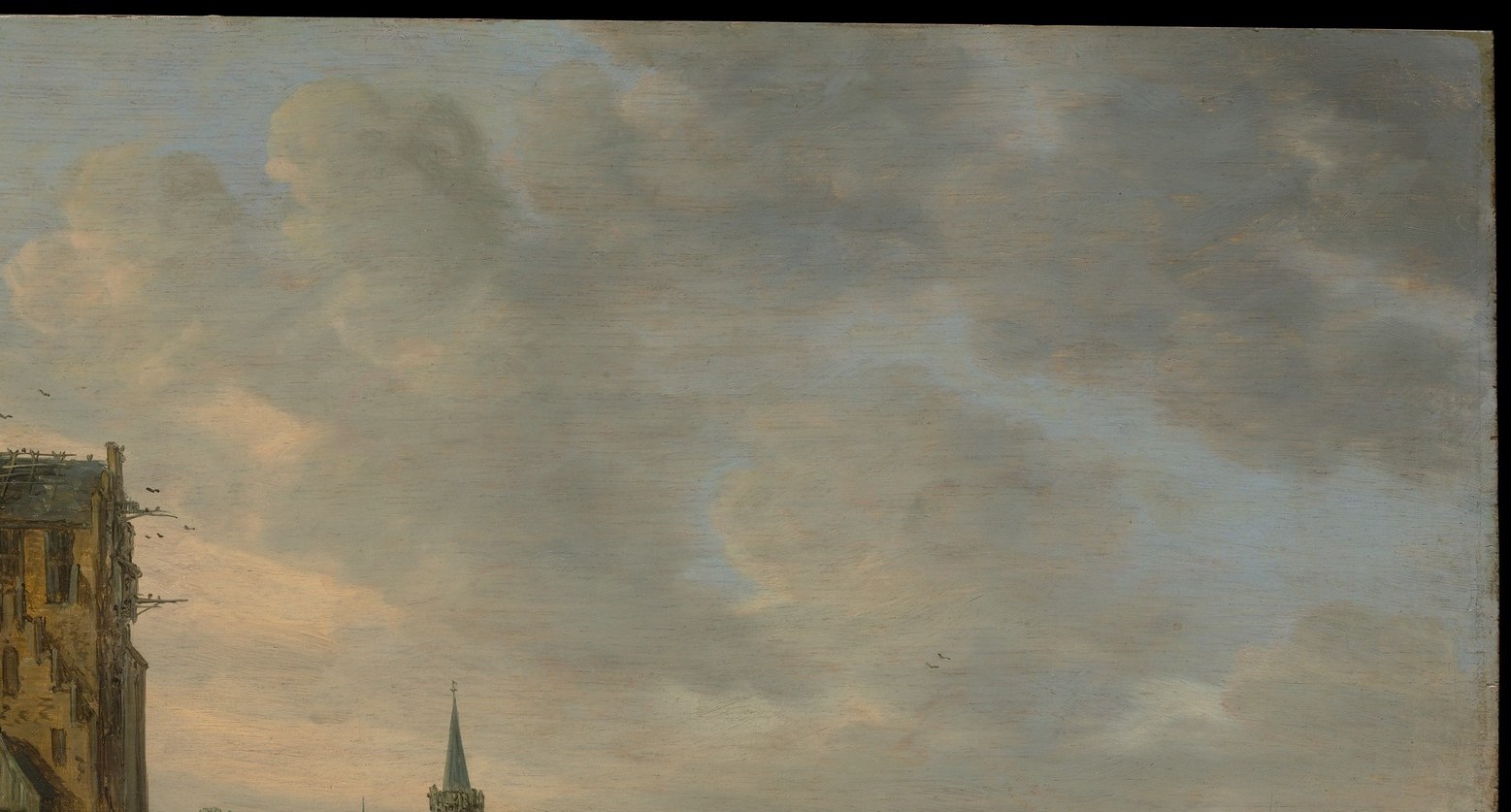
It looks like a quiet Dutch river scene. But this gate once sealed off 700 years of suffering. The Pelkus Gate. Its stone walls are stained and cracking. For centuries, it was the only entrance to a leper colony. People row right past it now. Van Goyen painted this in 1646. The colony was still active. He gave it a sky that feels like a held breath.