Artwork
The Pelkus Gate near Utrecht
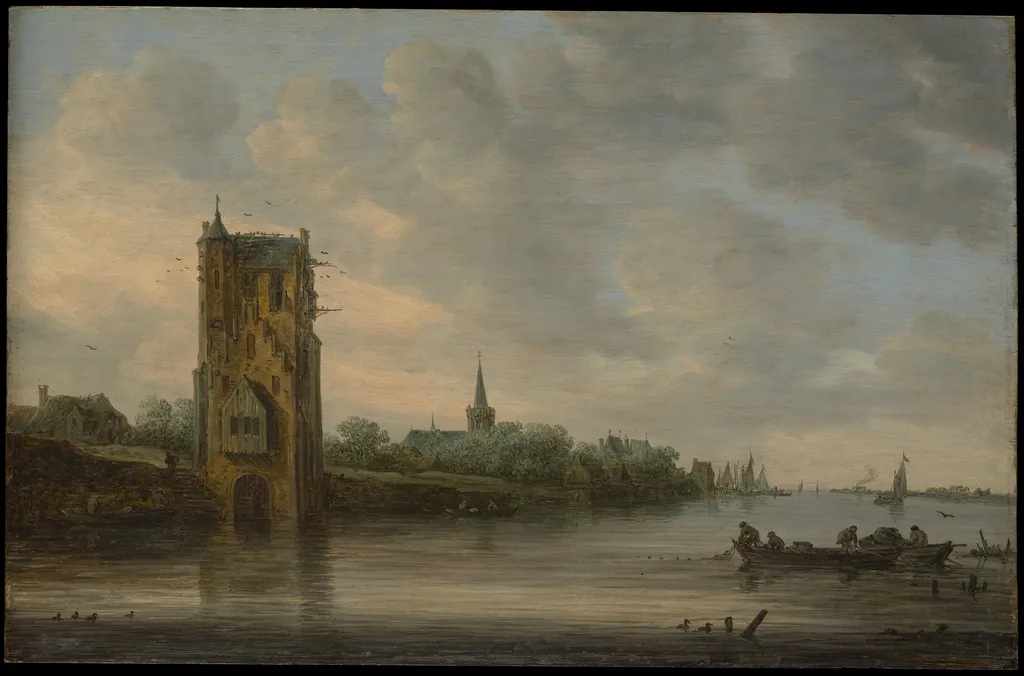
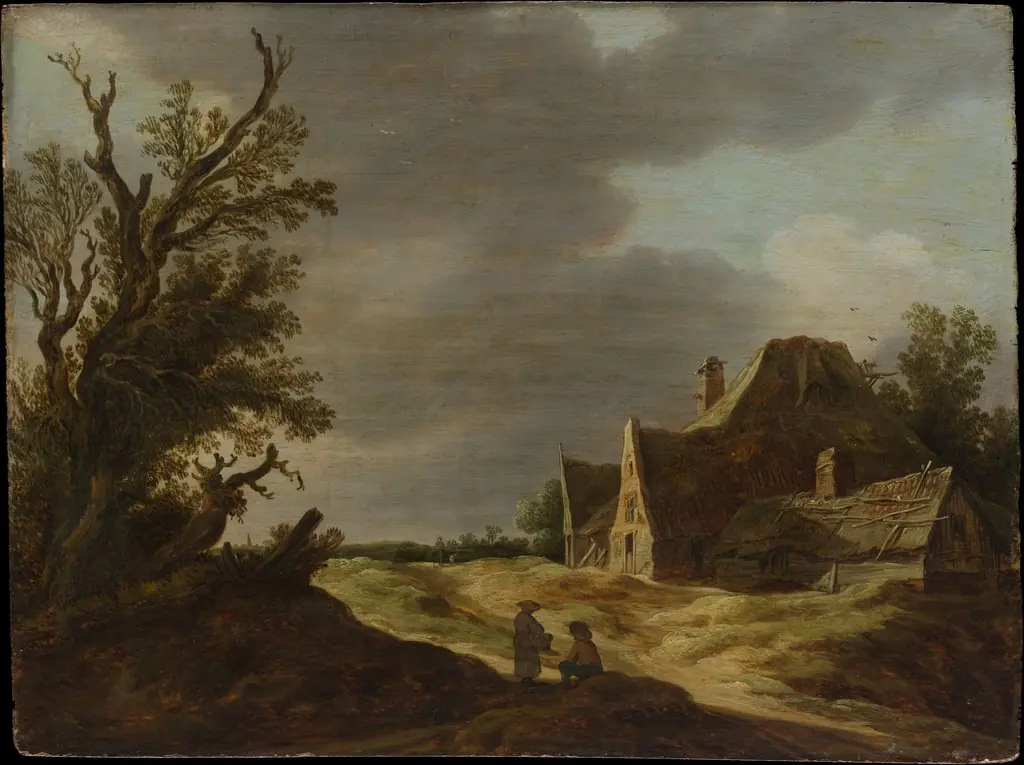
The Pelkus Gate near Utrecht is an oil painting by the Dutch Golden Age artist Jan van Goyen. It dates from 1646 and is held in the collection of the Metropolitan Museum of Art.
About this work
Subject & Meaning
According to the sources, the scene includes the gate itself, a tower, a river, a boat, and several human figures engaged in ice skating.
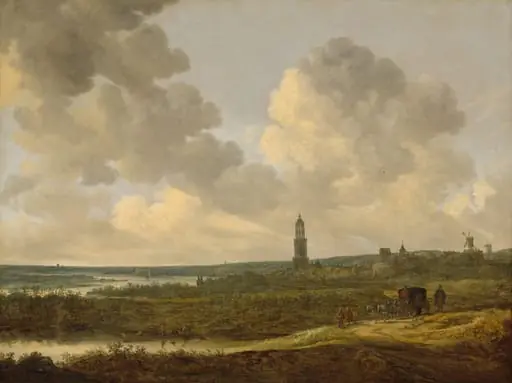
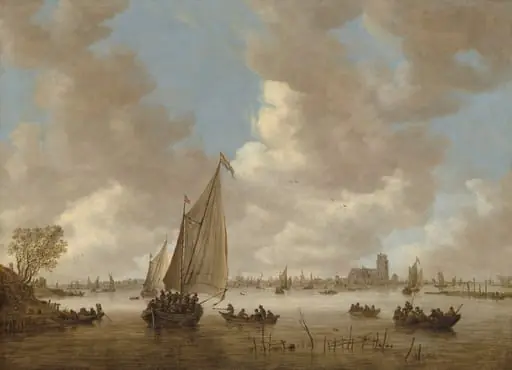
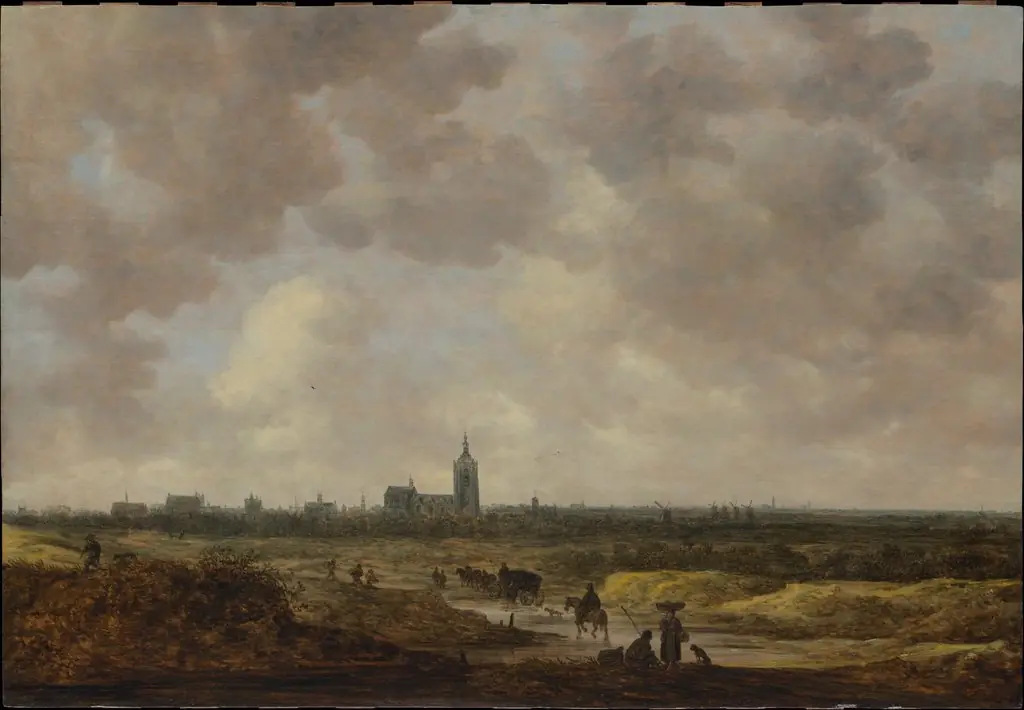
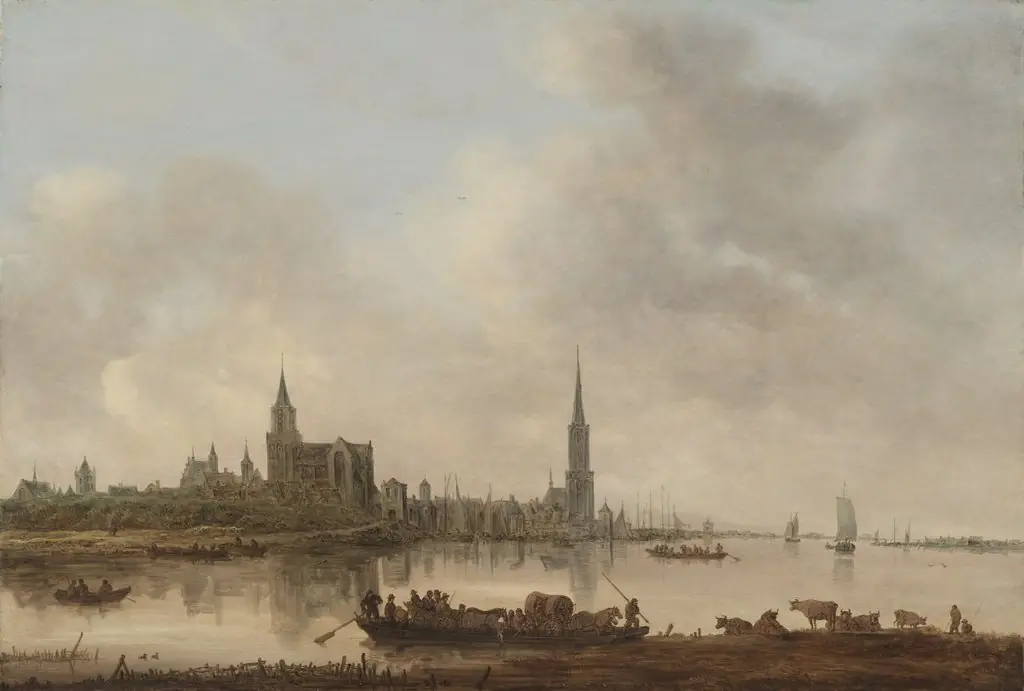
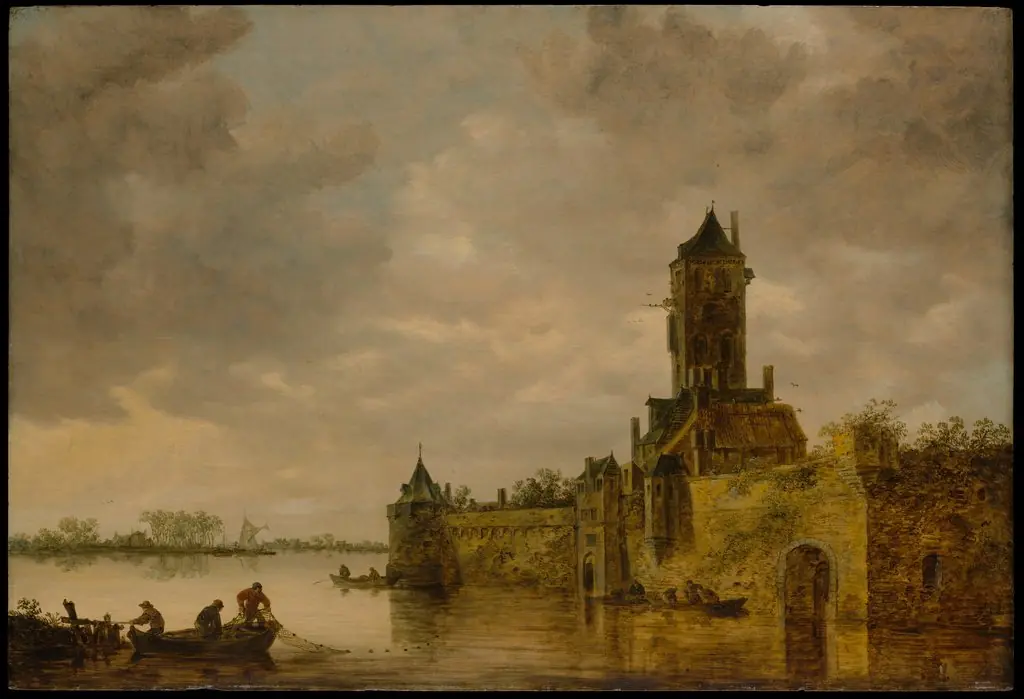
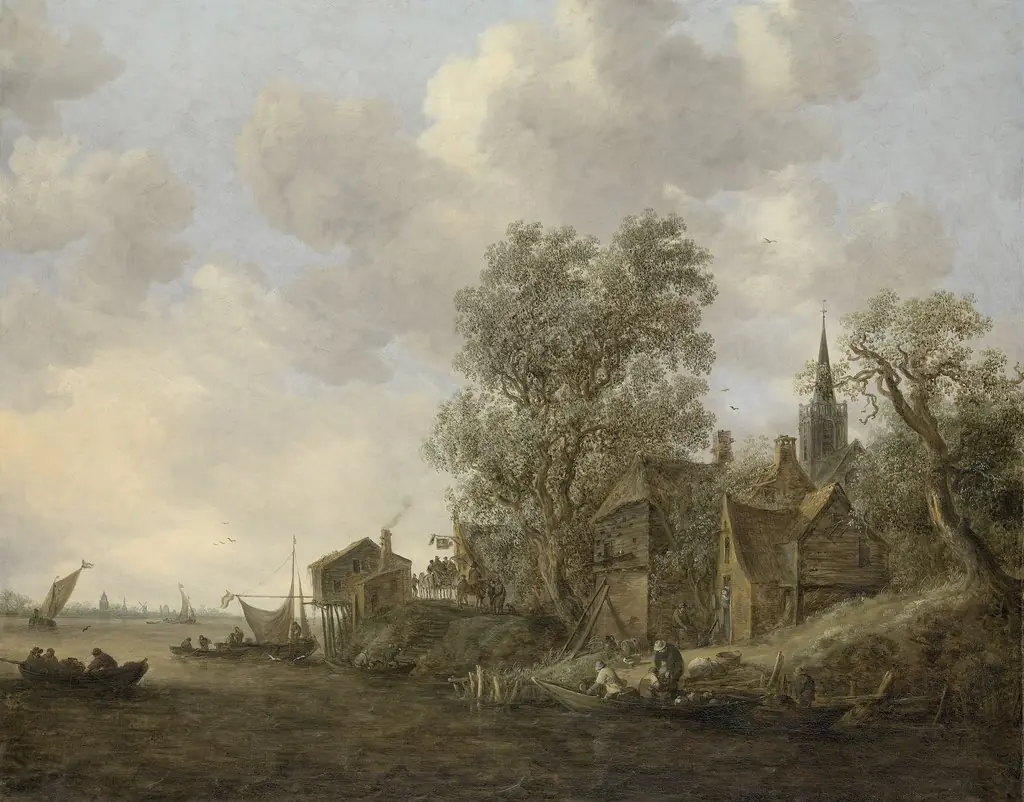
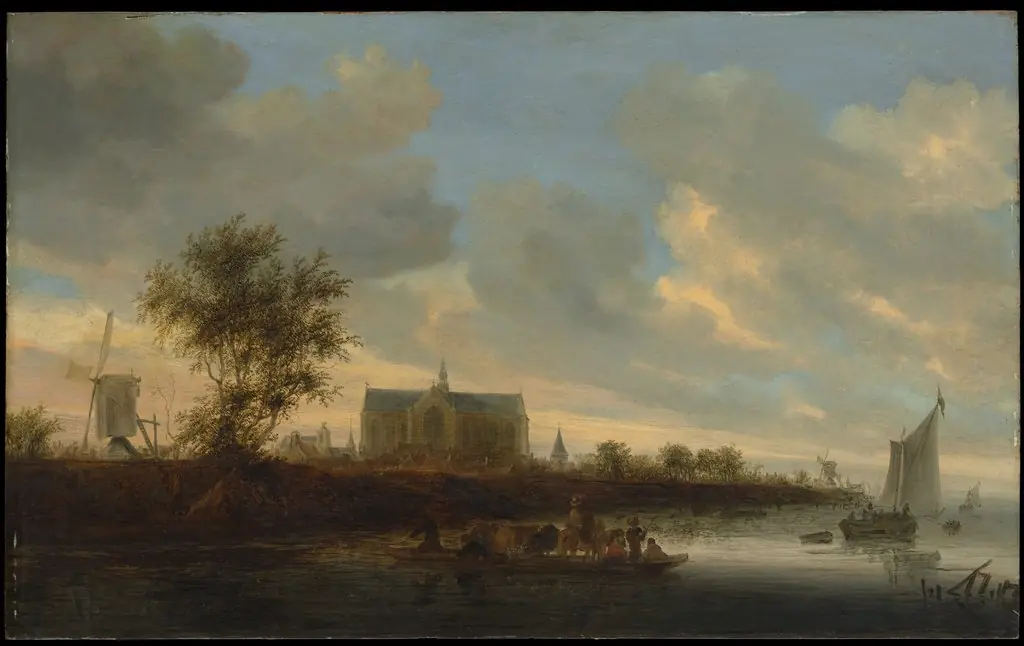
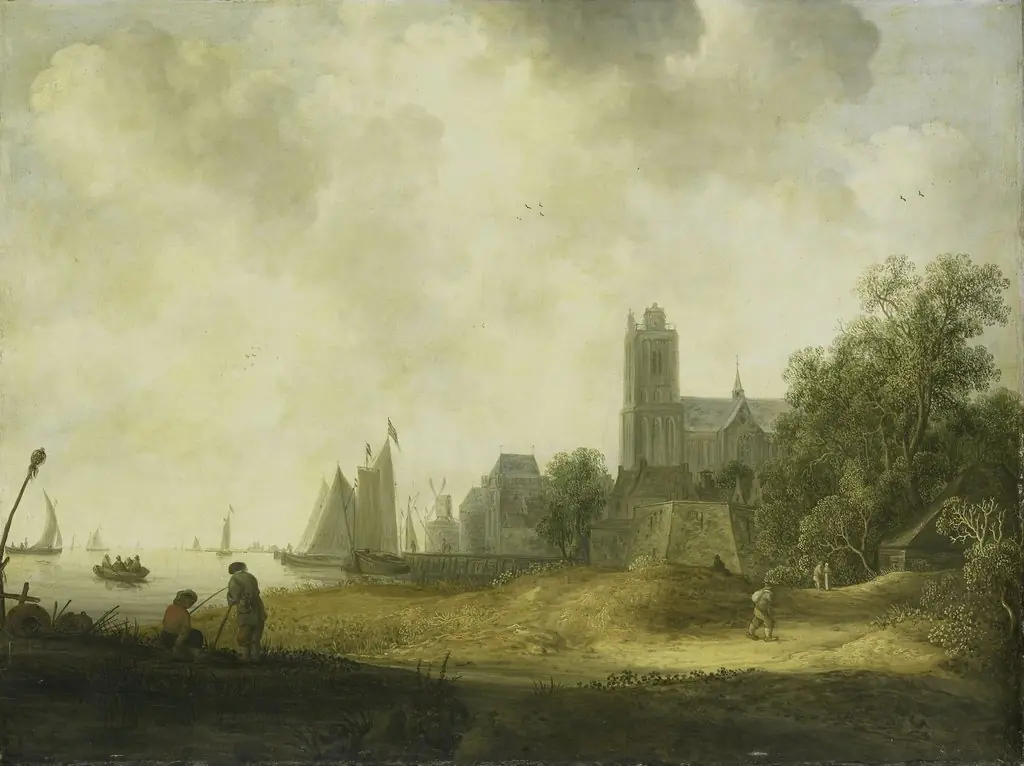
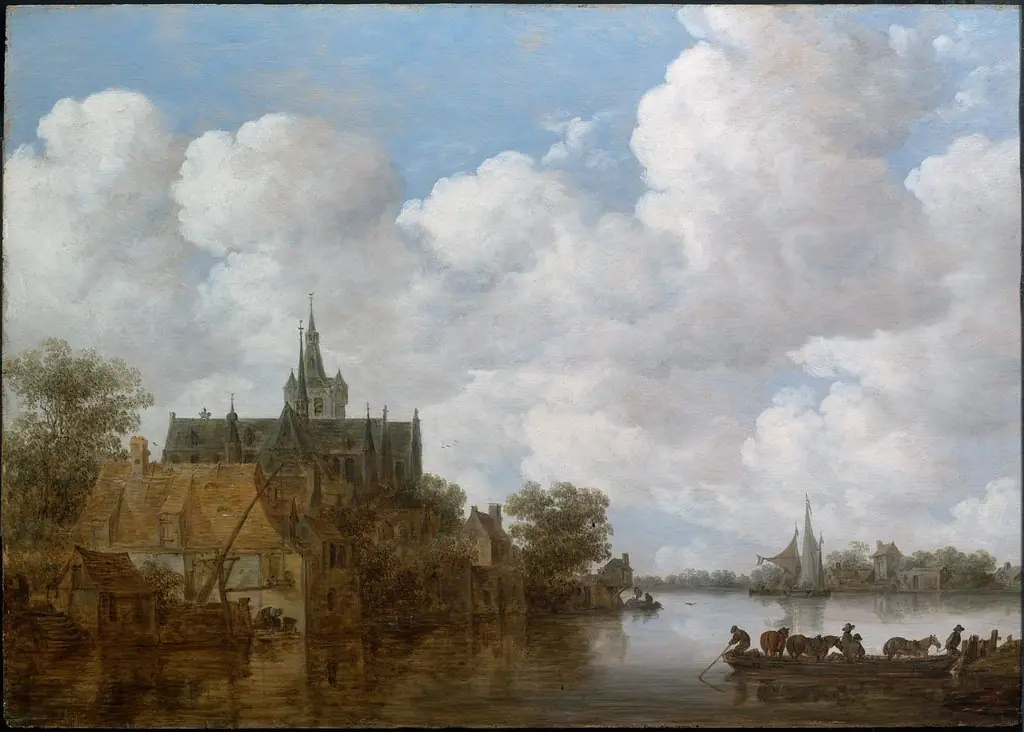
The painting shows the Pelkus Gate (Pellecussenpoort) near Utrecht set within a winter landscape. According to the sources, the scene includes the gate itself, a tower, a river, a boat, and several human figures engaged in ice skating. As a landscape work by Jan van Goyen from 1646, it presents a typical Dutch Golden Age view that combines architectural detail with everyday leisure activity, capturing the specific locale and its seasonal atmosphere.
History & Provenance
Jan van Goyen created the landscape painting The Pelkus Gate near Utrecht in 1646. Executed in oil paint on a wooden panel, the work measures 36.8 by 57.2 centimeters. The composition depicts the Pellecussenpoort (Pelkus Gate) situated near Utrecht, featuring architectural elements such as a tower and gate alongside a river scene populated by boats, human figures, and ice skaters.
The painting is currently held in the collection of the Metropolitan Museum of Art, where it remains located. No specific details regarding the original commission or the intermediate ownership chain prior to its acquisition by the museum are provided in the available records.
Overview
Painted in 1646, The Pelkus Gate near Utrecht is a landscape by Jan van Goyen, a central figure of the Dutch Golden Age. The work depicts the fortified gatehouse of Utrecht, situated on the banks of the Lek River. The composition is anchored by the tall, weathered stone tower on the left, characterized by a small arched doorway and a dark, sloping roof where birds are perched.
Behind the structure, a cluster of modest houses and a church steeple recede toward the water's edge, establishing a sense of depth. The sky dominates the upper portion of the canvas, rendered in soft, muted tones typical of Goyen's monochromatic palette. Executed in oil paint, the artist employs loose, economical brushwork to capture the atmospheric effects of light and wind, prioritizing the unity of the scene over precise architectural detail.
This painting exemplifies Goyen's mature style, where the interplay of earth and sky creates a harmonious, naturalistic view of the Dutch countryside. Created during a period when the artist was highly prolific, the work reflects his enduring interest in river landscapes and his ability to elevate everyday infrastructure into subjects of quiet contemplation within the tradition of Dutch realism.
Technique & Style
Executed in oil paint, the artwork utilizes a muted color palette, primarily consisting of earthy browns, grays, and blue-gray tones for the water and sky. This subdued chromatic scheme contributes to the painting's overall quiet and contemplative atmosphere. The artist's attention to detail is evident in the depiction of the tower's aged stone and the soft, light clouds, creating a realistic and understated representation of the landscape.
Context
This painting exemplifies a common artistic interest in depicting specific local landmarks and the distinctive character of the Dutch countryside. The focus on a recognizable architectural feature, combined with an expansive, atmospheric landscape and subtle human elements, aligns with stylistic trends prevalent in Dutch art during periods that valued realistic portrayals of their homeland. Such works often captured the unique interplay of light, water, and everyday life.
Own this work as a print
Artist & collection

Artist
Jan Josephszoon van Goyen (Dutch pronunciation: ; 13 January 1596 – 27 April 1656) was a Dutch landscape painter.