The Card Players by Jean Louis Ernest Meissonier
Jean-Louis-Ernest Meissonier painted The Card Players in 1863, at the height of a career that made him the most commercially successful artist of the French Second Empire. His military scenes and historical genre paintings commanded higher prices than any living rival. This small, private work of three men around a card table now hangs in a public collection, a quiet example of the obsessively detailed realism that made his reputation and, in this case, unsettled his audience.
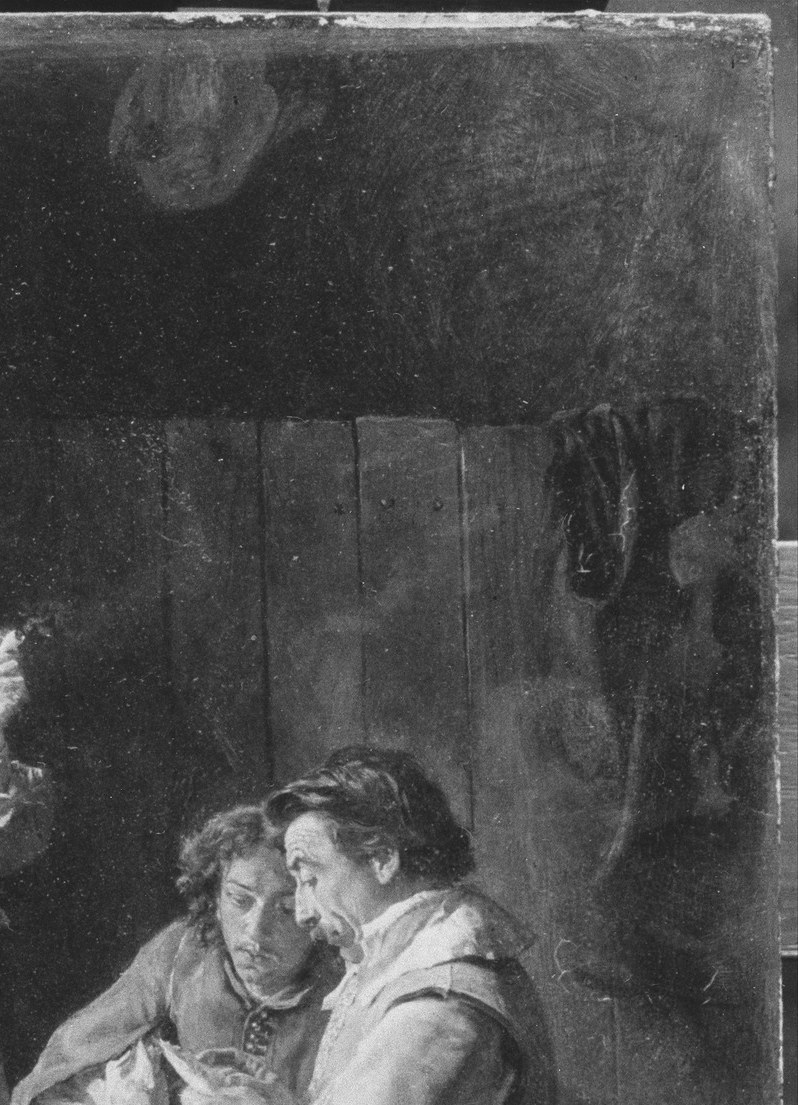
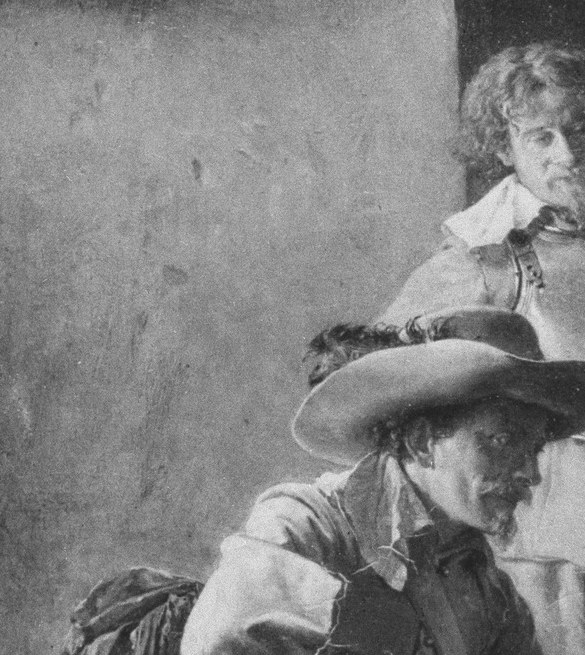
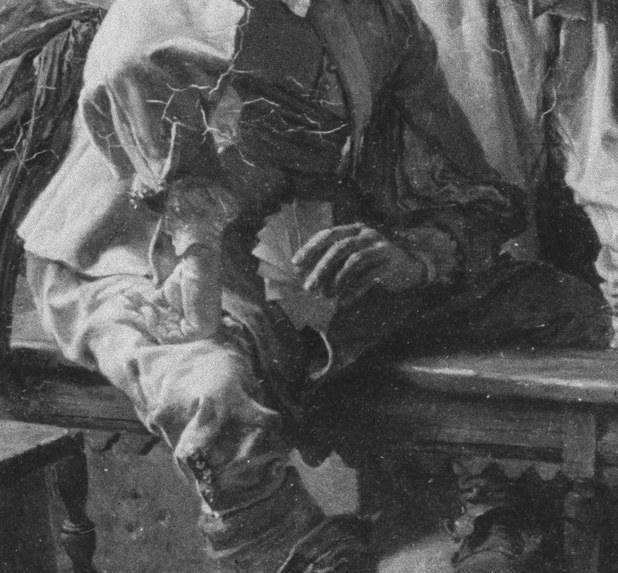
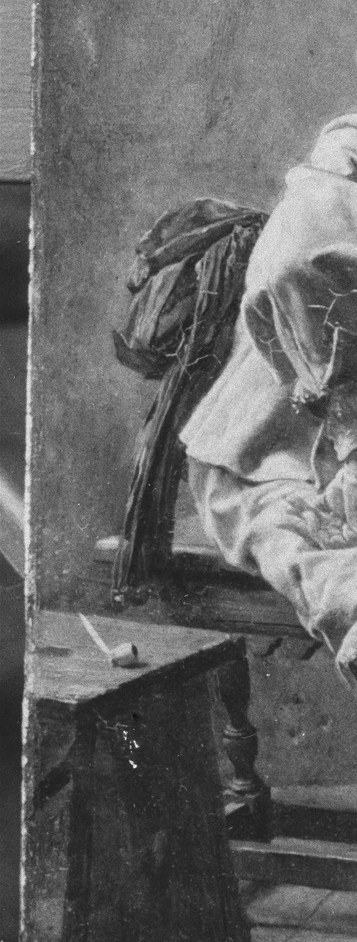
Look at what the left-hand player does with his cards. He holds them close to his chest, angled away from the viewer and toward himself alone. His face, shadowed beneath a traveler's hat, gives nothing away. A bag behind him marks him as a transient, a stranger whose intentions are deliberately illegible. Beside him, a second player gestures toward the table while a third leans in, but the drama stays sealed inside the hidden hand.
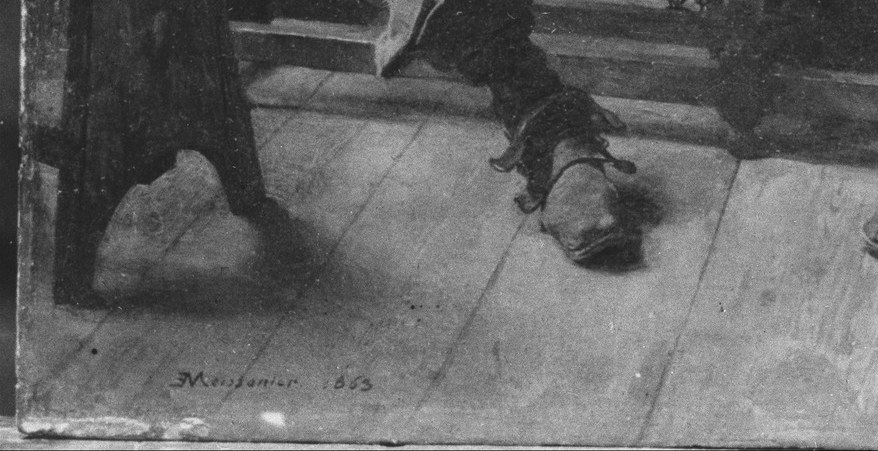
Meissonier built his name on exacting reconstructions of 17th-century Dutch life, studying every plank of a floor, every worn patch of fabric. John Ruskin examined his work through a magnifying glass and wrote with astonishment about his command of minutiae. The technique was never in question. When this painting appeared, the unease came from subject matter that refused the clarity the academy expected: a game of chance where the stakes are visible but the truth is withheld.
The same critics who praised Meissonier's honesty of surface found something untrustworthy in a painting that would not show them the cards. That was precisely the point.
Details
Transcript
1863. The most famous living painter in France. Meissonier was paid fortunes for his impossible detail. Critics called him a genius who resurrected the Dutch masters. But this painting worried them. They were looking at his hands. He holds the cards close. The viewer sees nothing. A gambler. A stranger with a bag. You cannot see his cards. The critics said a painting should not feel this dishonest.