Lady Borlase by Soest, Gerard
Beneath the elegant surface of Gerard Soest's 'Lady Borlase,' lies a secret that dramatically increased its value. Painted around 1674, this striking portrait of a composed woman in a shimmering gold gown holds a hidden past.
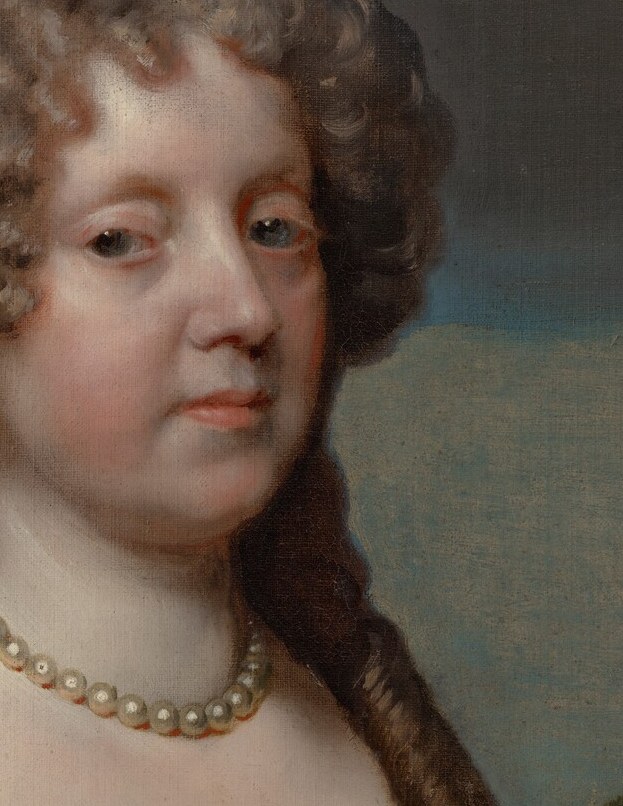
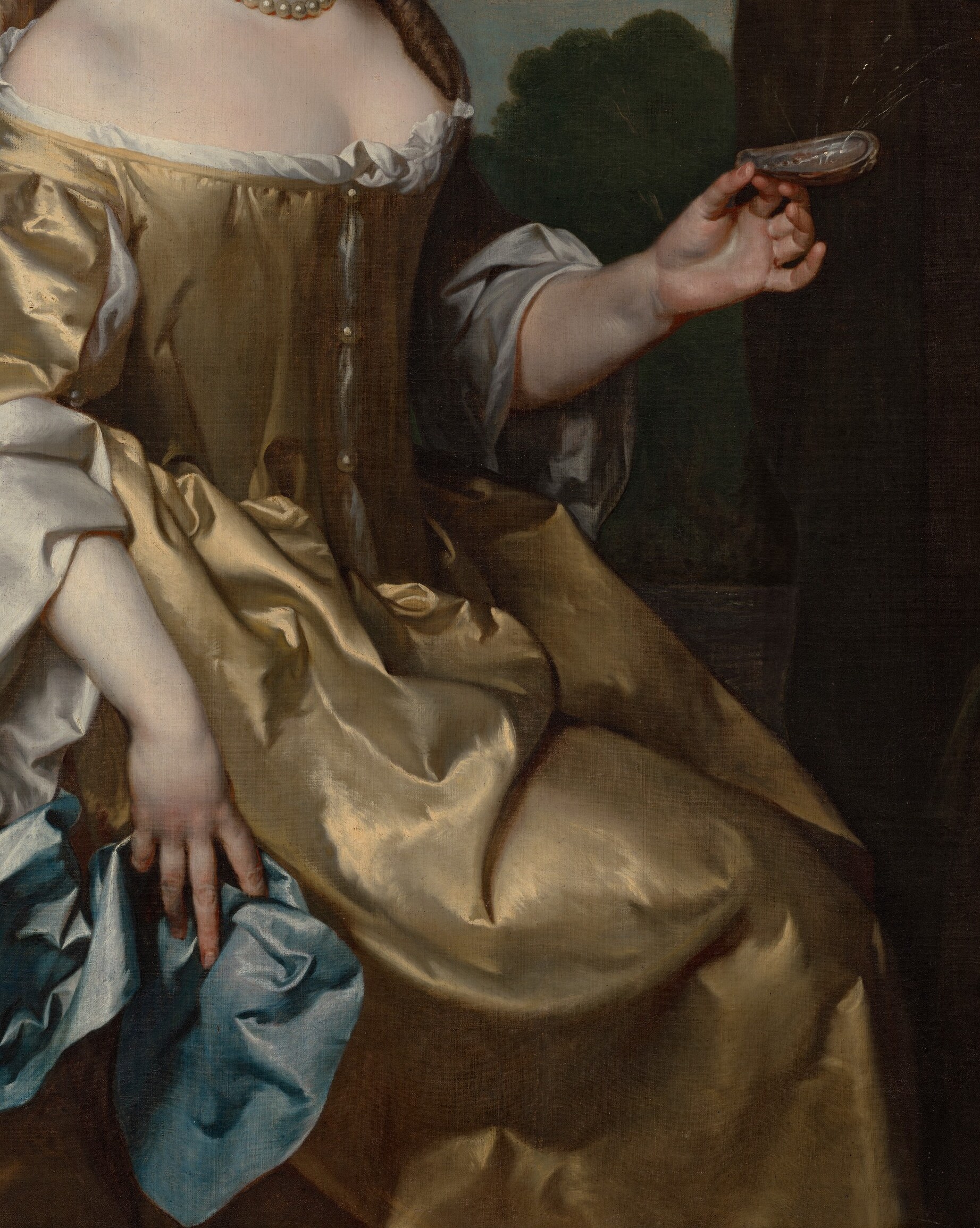
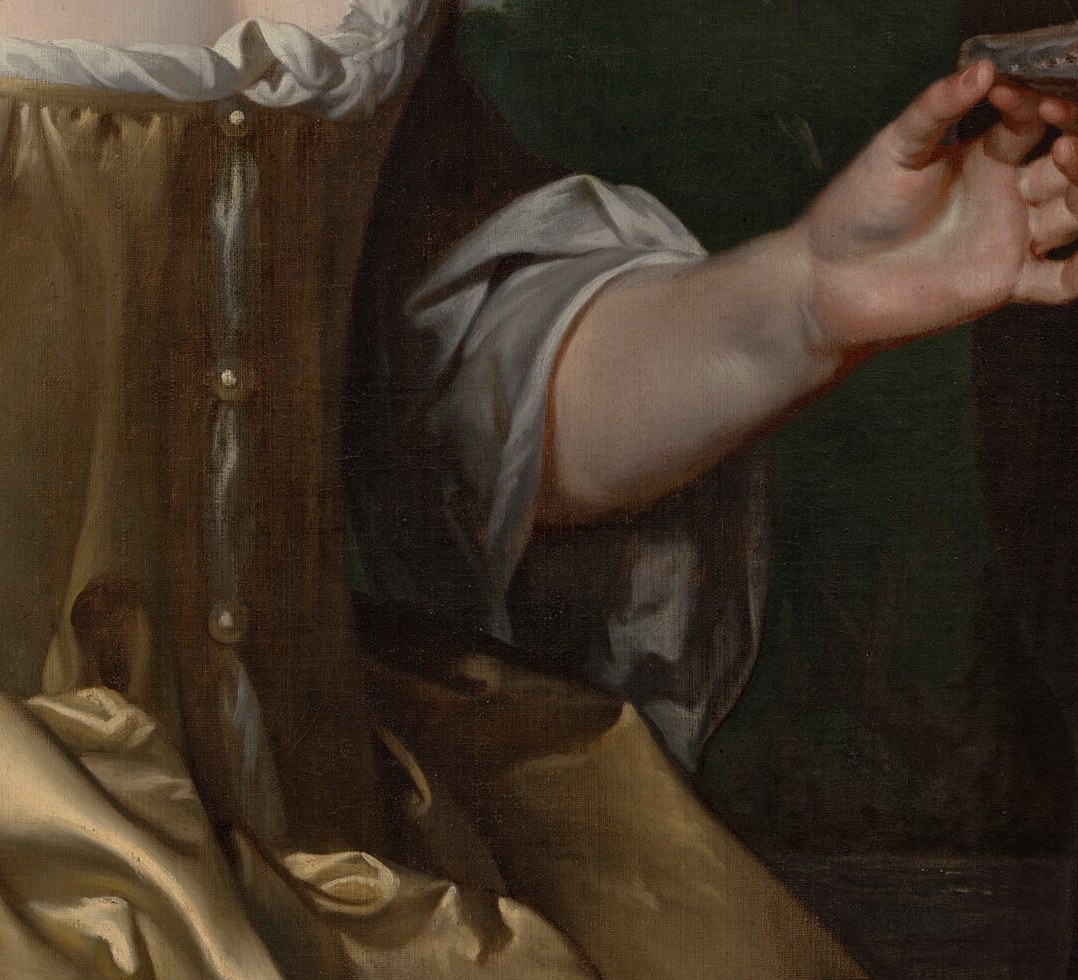
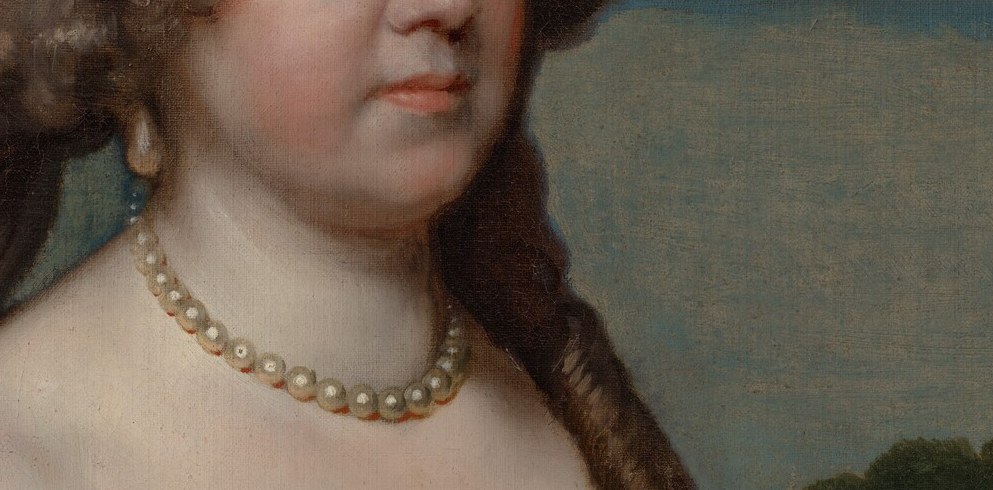
Look closely at the exquisite details, from her serene face and voluminous hair to the delicate lace collar and the way light reflects off her opulent dress. Her hands, one holding a fan and the other resting gently, convey a sense of quiet confidence.
In 1968, during a routine restoration, conservators made an astonishing discovery: beneath 'Lady Borlase' was another painting. It was a self-portrait by Gerard Soest himself, complete with his signature and the date 1672. This 'pentimento' or overpainting, revealed a fascinating insight into the artist's process and significantly enhanced the artwork's historical and monetary worth.
It's a testament to the layers of history sometimes found within a single canvas. What other secrets might art hold?
Details
Transcript
This woman, Lady Borlase, was painted around 1674. Her calm expression and elegant posture suggest a quiet dignity. Notice her shimmering gold gown, capturing the light beautifully. In 1968, restorers found another portrait underneath this one. It was a self-portrait by the artist, signed and dated 1672. This discovery significantly increased the painting's value. A hidden signature, literally under the surface, changed everything.