Landscape with Houses by Arthur Dove
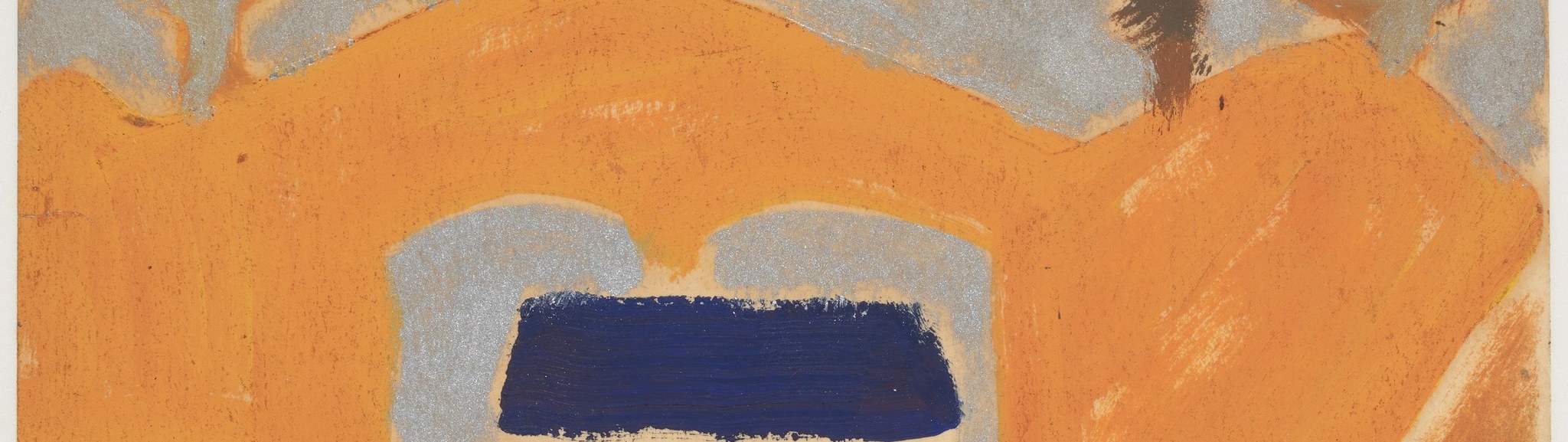
Arthur Dove, often called the first American abstract painter, created "Landscape with Houses" in 1930. This piece, now at The Metropolitan Museum of Art, showcases his unique approach to distilling natural forms into evocative, simplified shapes.
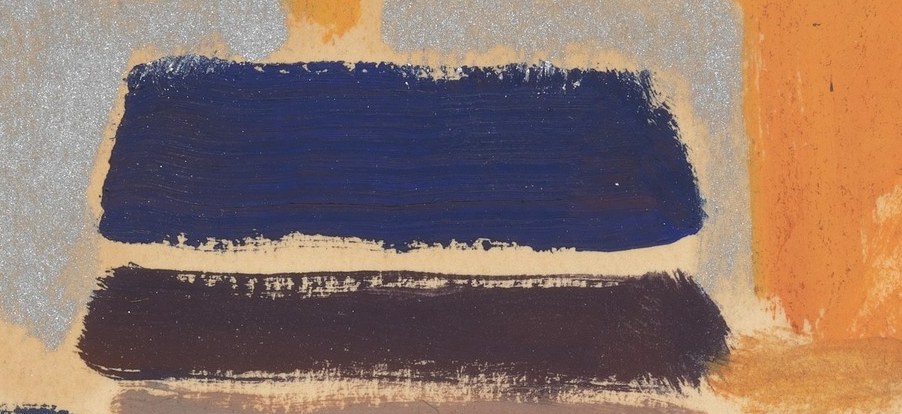
Look closely at how Dove uses blocks of color to suggest houses and a gentle incline, rather than rendering precise details. The bright red rectangle in the foreground adds a vibrant focal point, hinting at the energy of the scene. His brushwork is visibly loose, giving the painting a spontaneous, almost sketched quality.
Dove's career was marked by continuous experimentation. He pushed beyond traditional representation to capture the inherent feeling or "essence" of a landscape, using a range of media and unconventional techniques. This dedication made him a pivotal figure in American modernism.
"Landscape with Houses" invites you to experience a scene not as it literally appears, but as it feels. What emotions does this abstract landscape evoke for you?
Details

Transcript
This is by Arthur Dove, America's first abstract painter. In 1930, he distilled a landscape to its essence. These blocks capture the feel of houses in a rural scene. He aimed to convey the intrinsic feeling, not just a visual record. His loose, uneven brushwork created a spontaneous quality. Dove consistently experimented with abstracting natural forms. His pioneering work shaped American modernism forever.