Hunting with a decoy by Francisco Goya
Francisco Goya's "Hunting with a Decoy," painted in 1775, offers a quiet glimpse into 18th-century Spanish rural life. This oil painting, now at the Museo del Prado, captures a common hunting practice of the era.
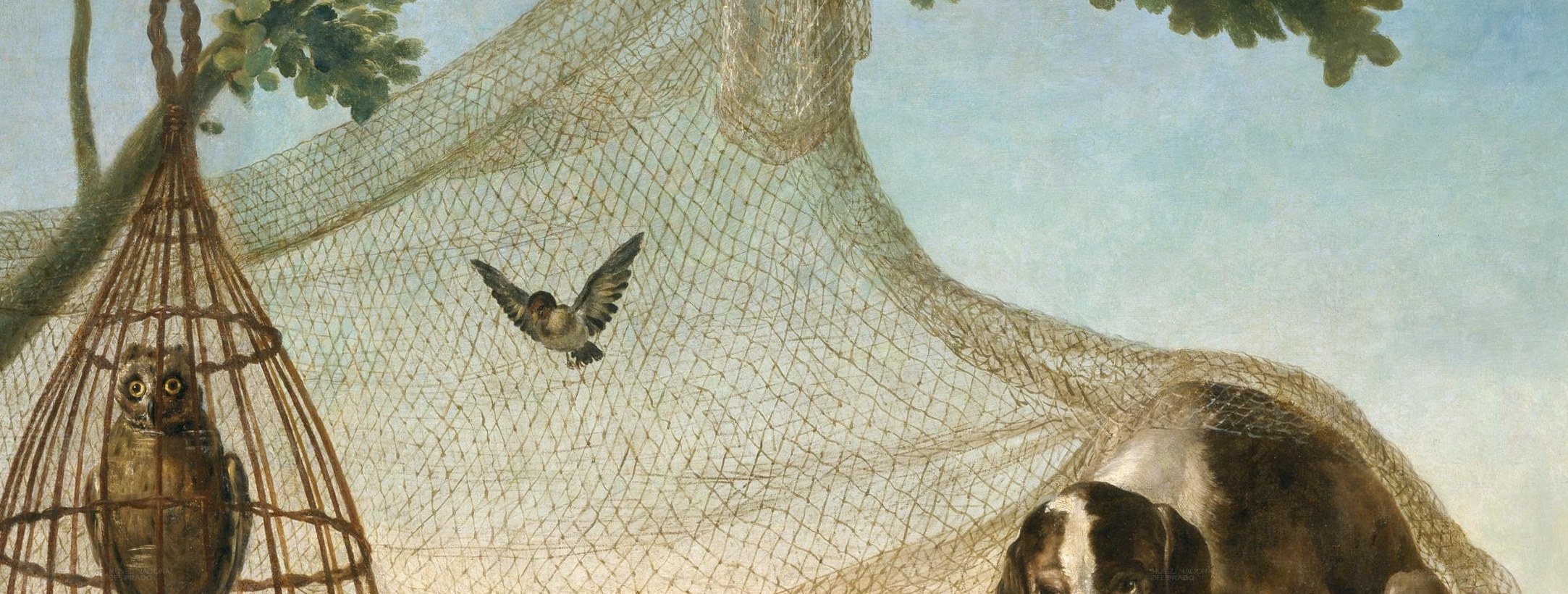
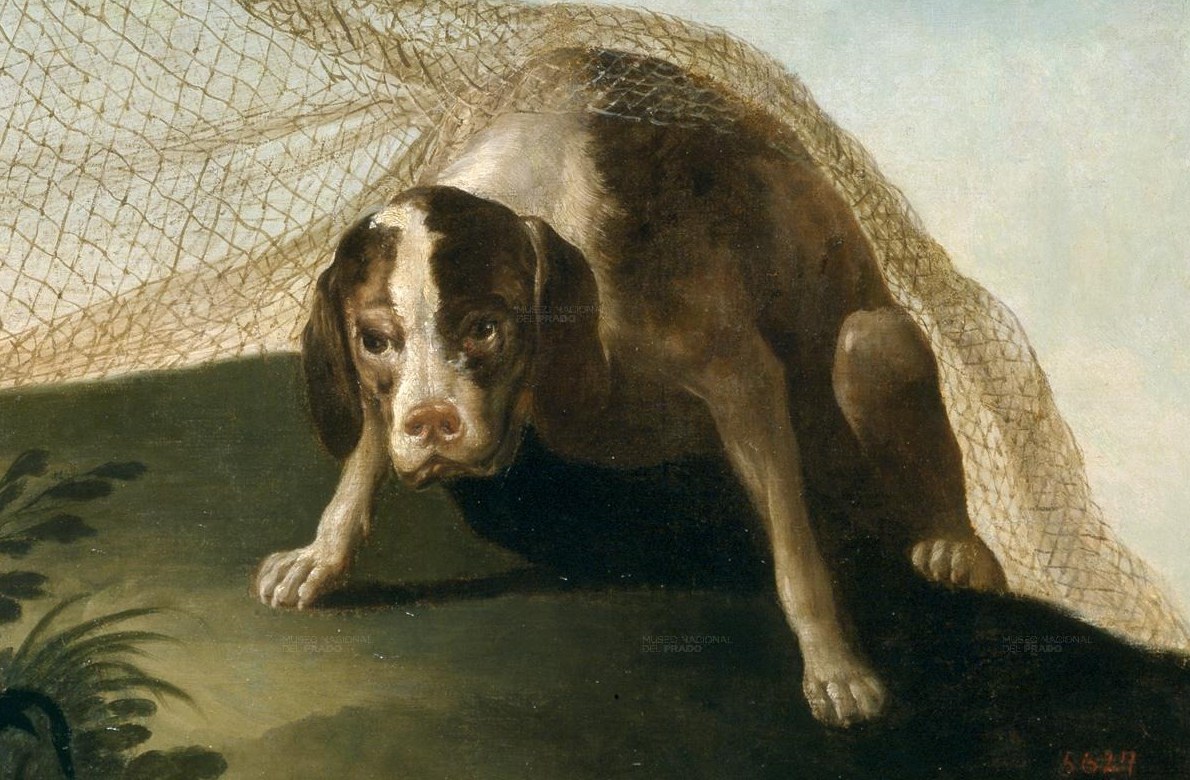
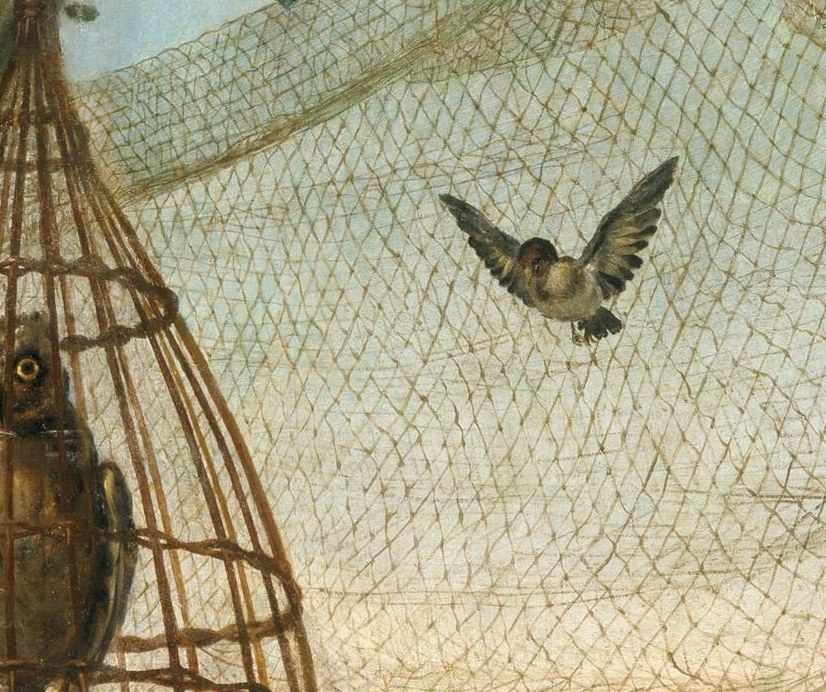
Observe the small bird in its cage, acting as a decoy to attract other birds. Nearby, a large fishing net lies in wait, ready to capture unsuspecting prey. The dog's focused gaze underscores the tension and anticipation of the hunt.
Even the larger owl in its conical cage served a purpose, likely for its distinctive call or as another lure. This early work by Goya, created before he turned to the darker themes of his later career, reflects the Rococo aesthetics popular at the time.
It's a testament to Goya's keen observation of daily life, transforming a simple scene into a detailed historical document. What details do you notice first?
Details
Transcript
In 1775, this Spanish painter showed a common hunting scene. A small bird sits, trapped, as a decoy to lure others. A large net, ready to spring, waits nearby. This dog watches, silent and attentive, for approaching prey. Even a majestic owl is caged, used for its call. Goya painted this work early in his career, before darker themes.