Madonna and Child with Saint Anthony Abbot and Saint Sigismund by Neroccio de' Landi
View the artwork: Madonna and Child with Saint Anthony Abbot and Saint Sigismund →
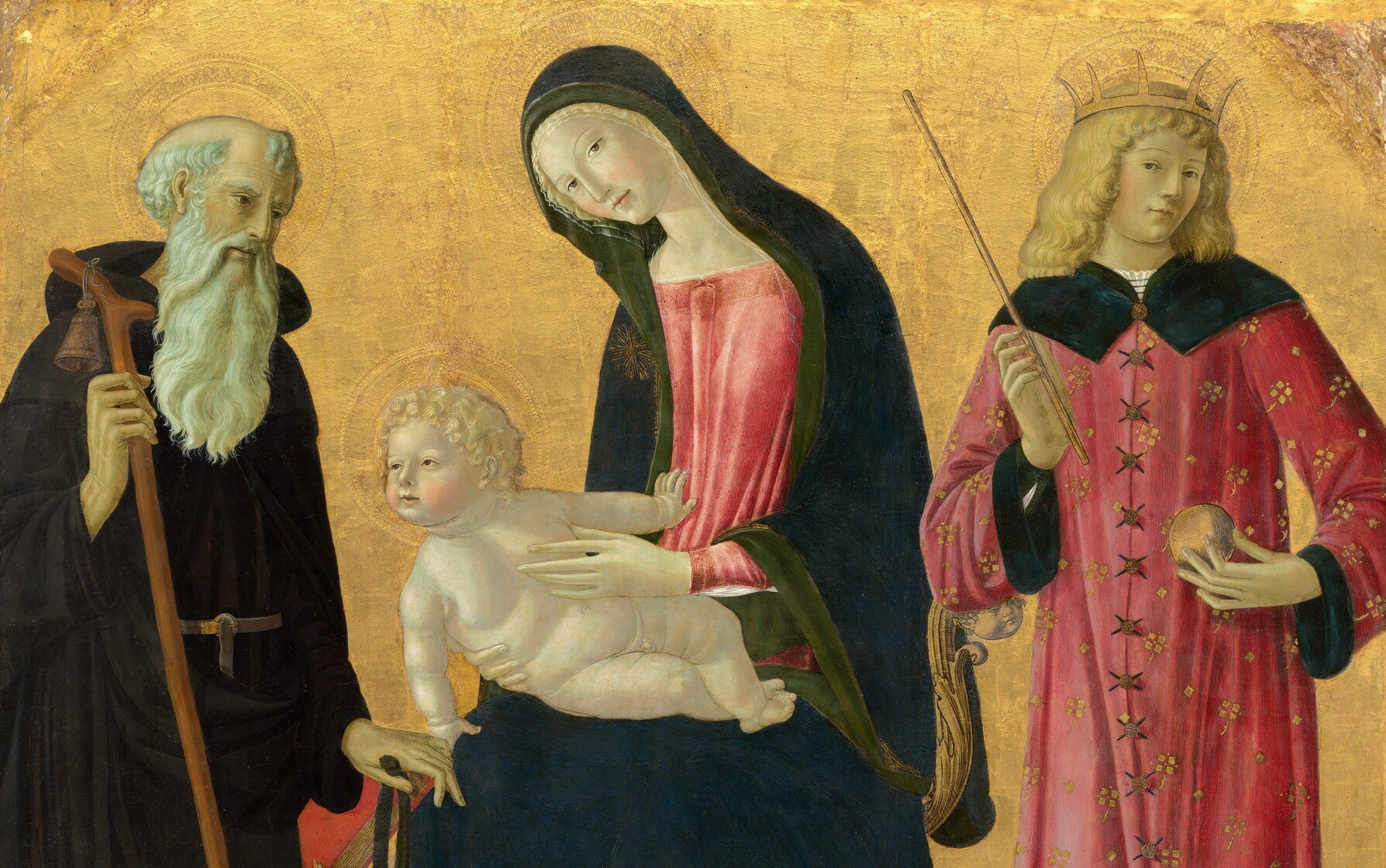
Neroccio de' Landi painted this panel around 1490 in Siena, a city stubbornly holding onto its Gothic past while Florence raced toward the Renaissance. "Madonna and Child with Saint Anthony Abbot and Saint Sigismund" hangs today as a quiet study in contrasts: old and young, desert and court, patience and violence.
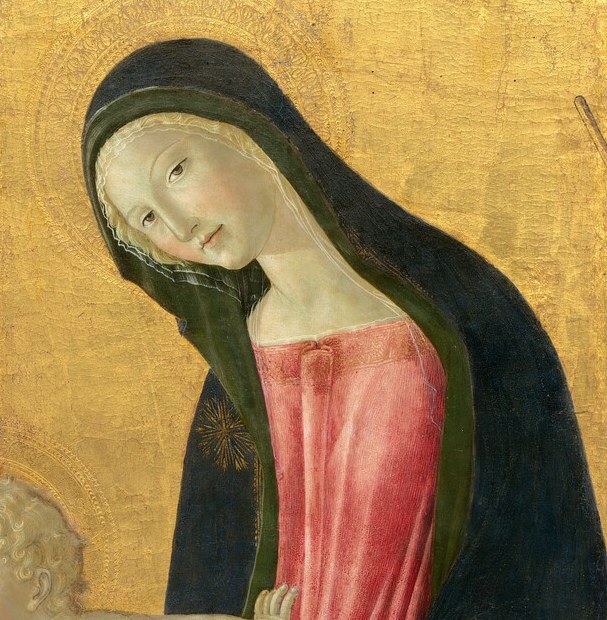
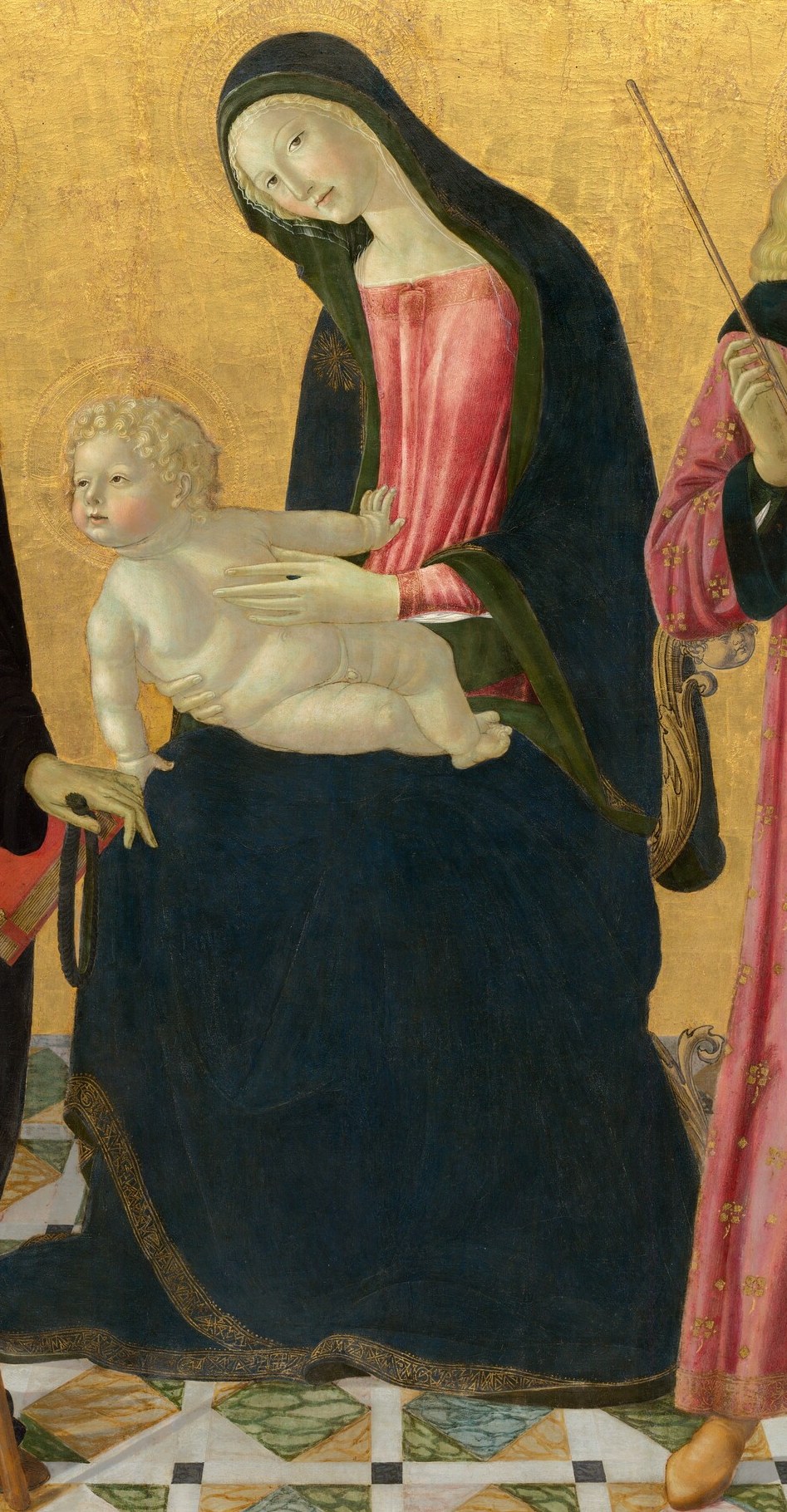
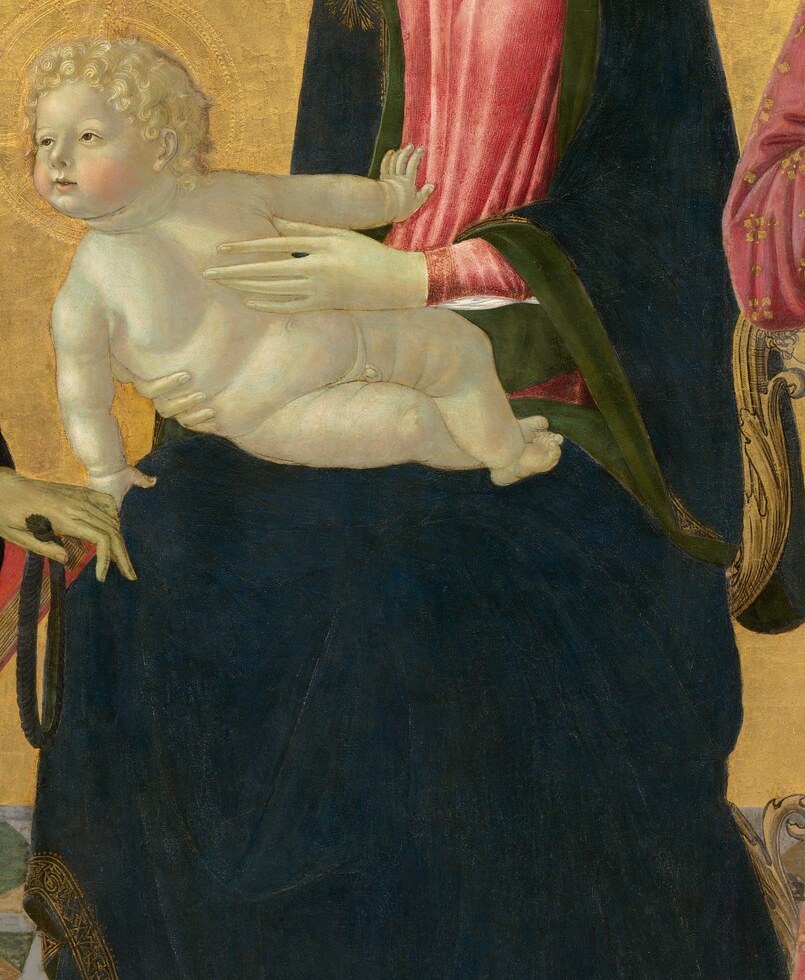
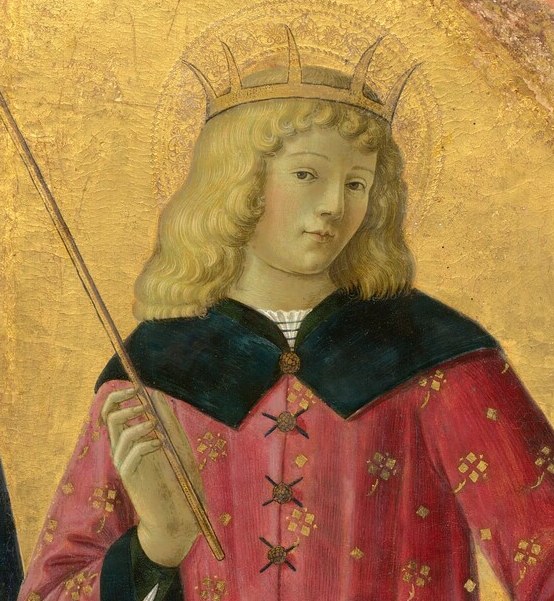
The painting rewards slow looking. Notice the deeply lined face of Anthony Abbot, an Egyptian hermit who lived into his hundredth year. Across the panel, Sigismund appears as a smooth-faced young king in a crimson robe, holding the martyr's palm that tells you his story ended at the command of his own son. Between them, the Madonna's hands cradle the child with a tentative grip anyone who has held a newborn will recognize.
Neroccio kept the flat gold-leaf background long after Florentine painters had abandoned it. That was not provincial lag, it was Sienese identity. The only concession to the new fashion is the inlaid marble floor at the bottom edge, a small perspectival flourish that says he knew exactly what he was doing.
A desert hermit, a murdered king, a mother, and a baby. Four lives, four ages, one panel.
#arthistory #sienesepainting #italianrenaissance
Details
Transcript
A mother holds her child. They are flanked by two men who could not be more different. This is Anthony Abbot, who spent decades alone in the Egyptian desert. His tau-topped staff is the symbol of the hermit. And this is Sigismund, a Burgundian king. His own son had him murdered. The palm frond marks a martyr. Ancient hermit, martyred king, a woman, and an infant. All of human life, held inside a single panel of gold.