Portrait of a Man by American 19th Century
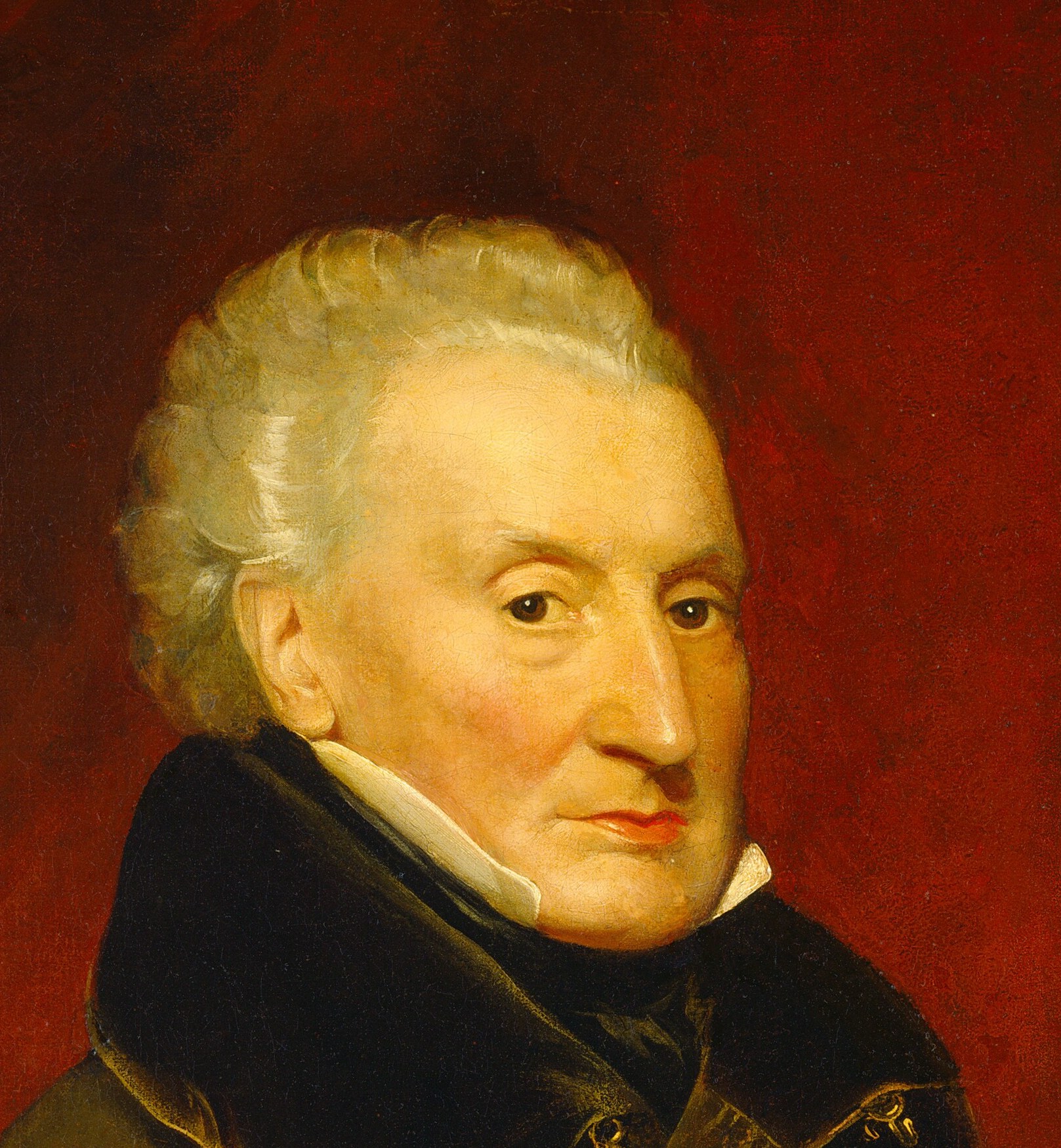
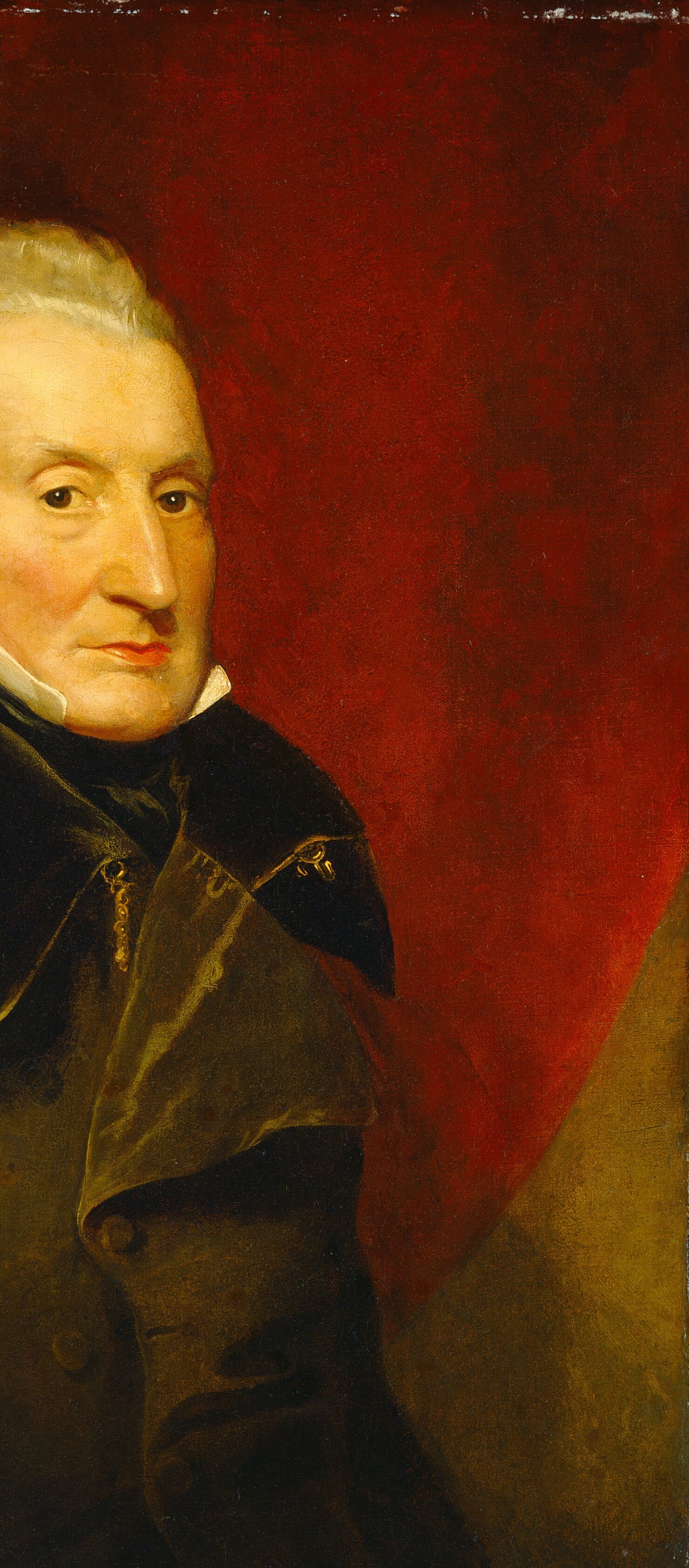
This striking "Portrait of a Man," painted around 1835 by an unknown American artist, offers a candid glimpse into how a prosperous man of the era presented himself. The painting, now held in a private collection, captures the essence of American provincial portraiture.
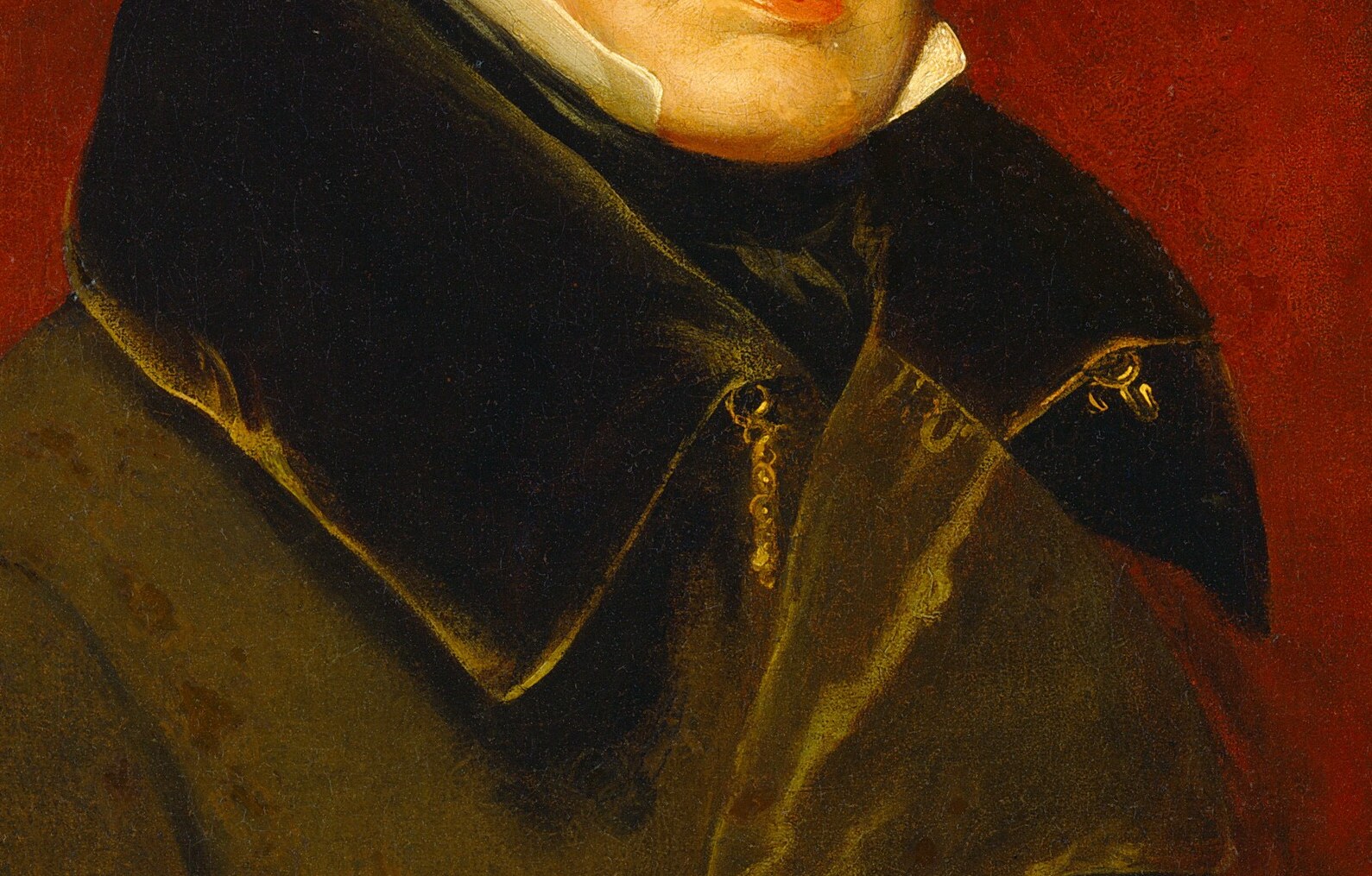
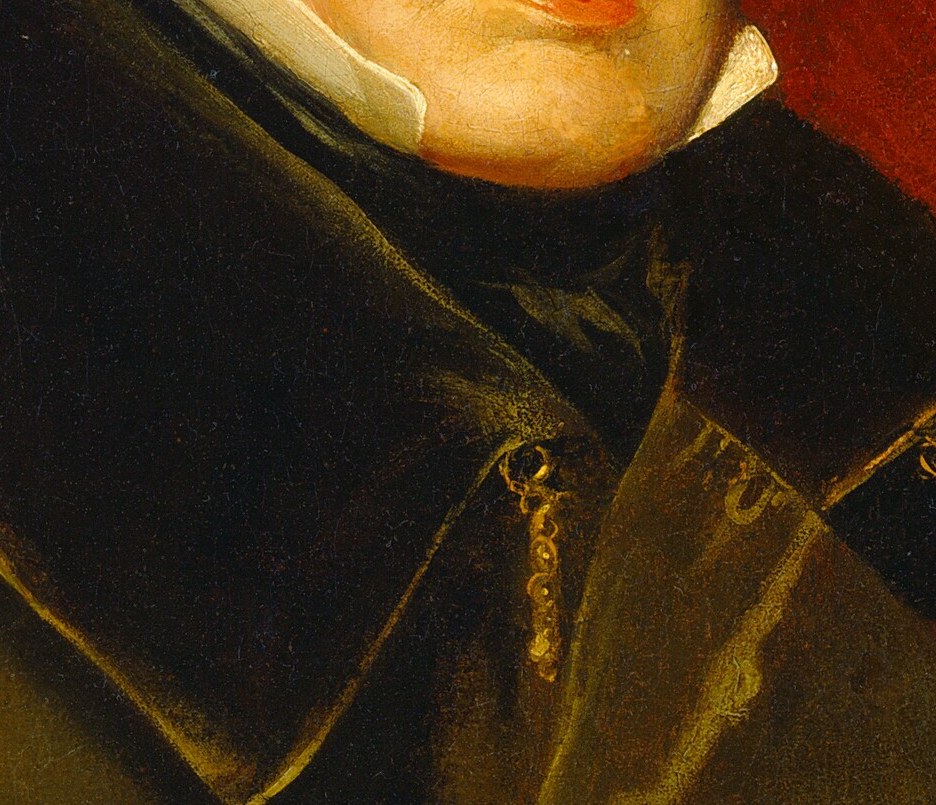
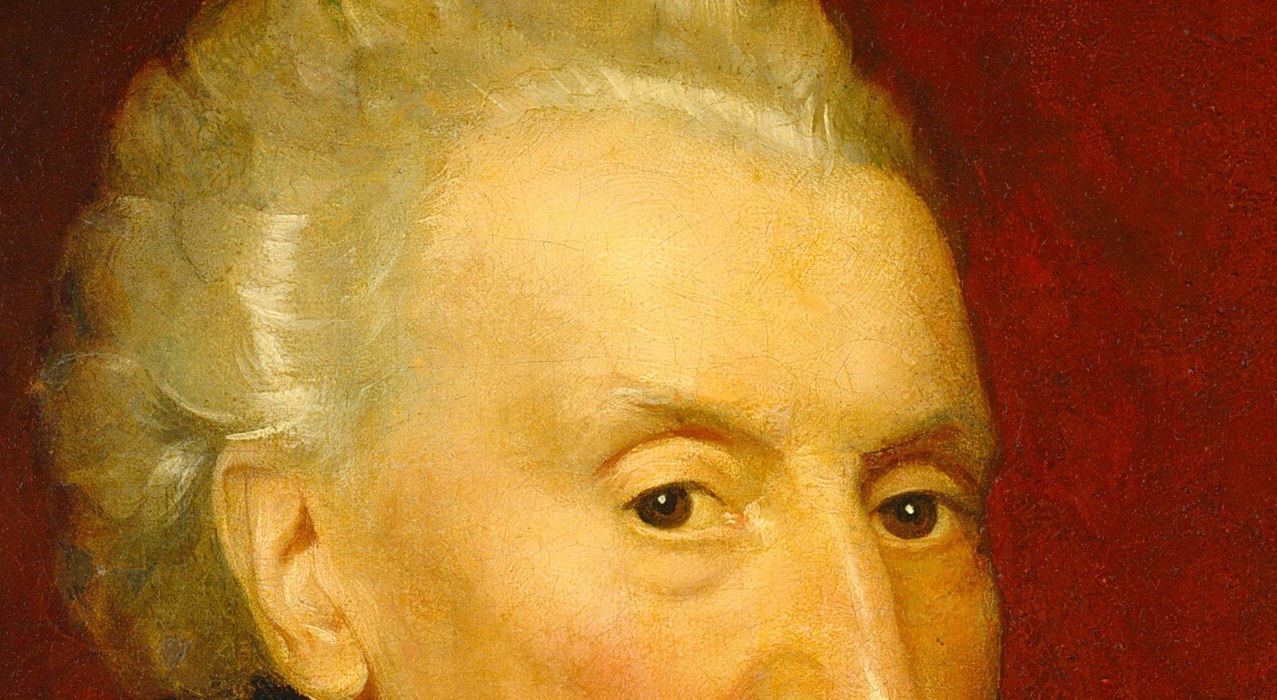
Look closely at the subject's attire: the high collar of his coat and the crisply tied white cravat are clear markers of early 19th-century professional or merchant class status. His face, rendered without flattery, reflects the American preference for an honest likeness, conveying dignity rather than overt expression.
The artist used oil on canvas, employing glazing to achieve subtle color shifts and depth. This technique, combined with a restrained palette, draws attention to the sitter's pensive mood and quiet presence.
What do you think his profession might have been?
Details
Transcript
This man sat for his portrait around 1835. He is dressed in the formal style of the era. His crisp cravat was a key status marker. His face shows the honest likeness favored in America. Not idealized, but with quiet dignity. This painting records how he wished to be seen.