Hugo van der Goes Painting the Portrait of Mary of Burgundy by Wilhelm Koller
View the artwork: Hugo van der Goes Painting the Portrait of Mary of Burgundy →
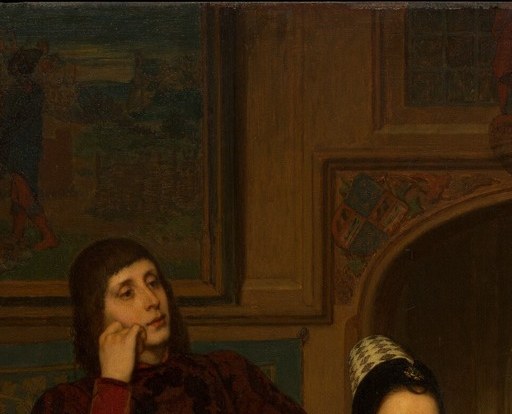
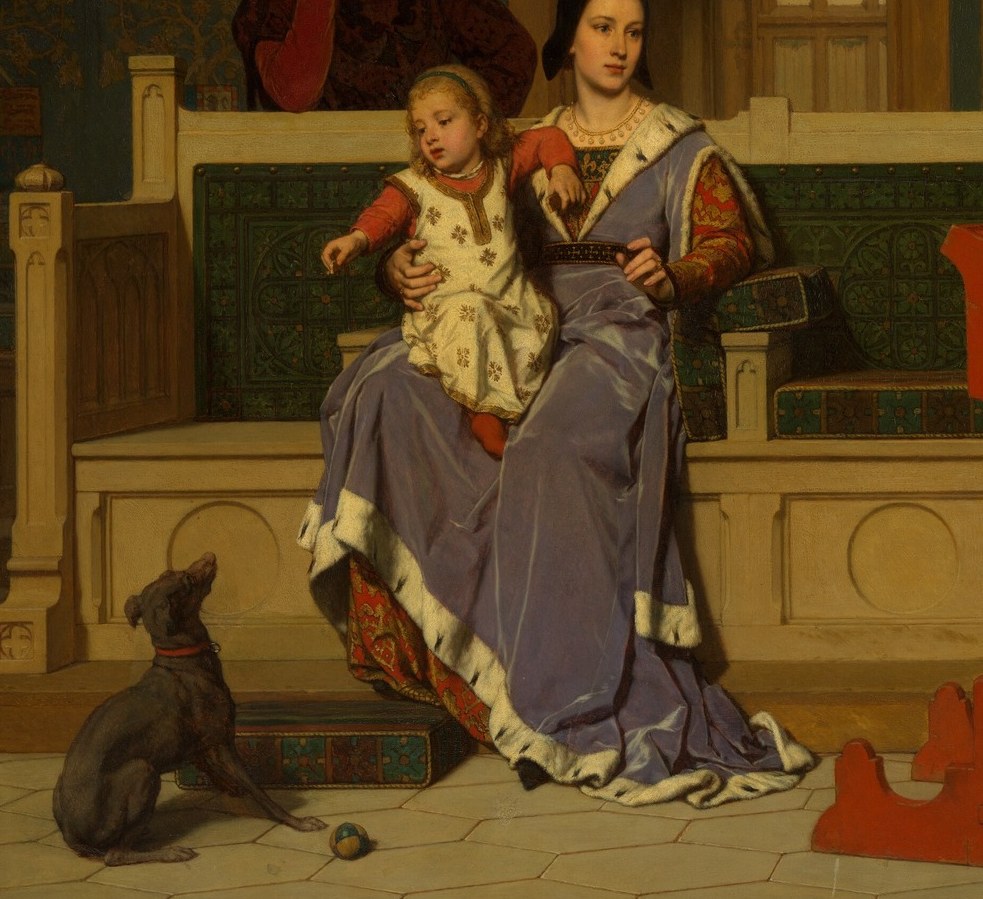
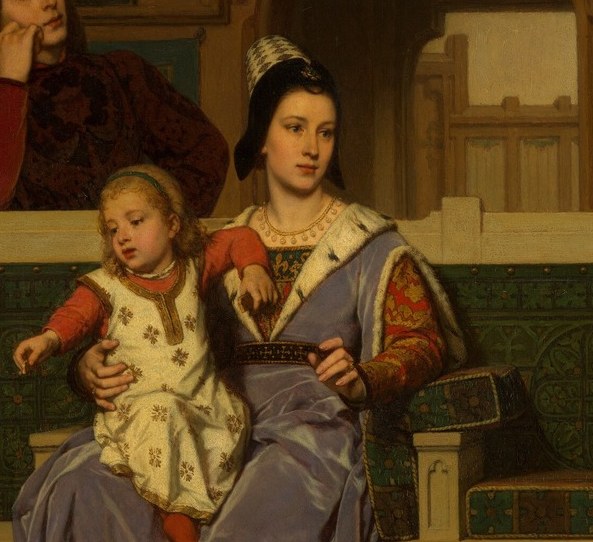
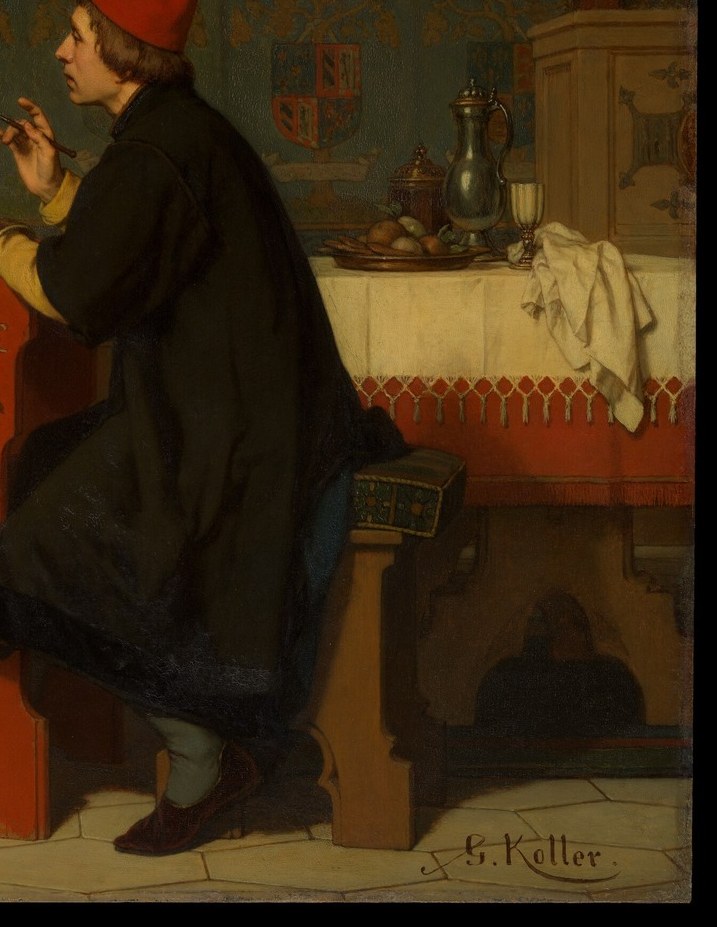
Wilhelm Koller's "Hugo van der Goes Painting the Portrait of Mary of Burgundy" (1866) imagines a meeting between a queen and a painter that history never recorded, yet absolutely could have happened.
Mary of Burgundy ruled a vast territory in the 1470s until her sudden death at 25. The child in her lap here is a fiction, a devotional touch that transforms a secular portrait sitting into a Madonna image. It's a painting about memory and loss, made four centuries after she died.
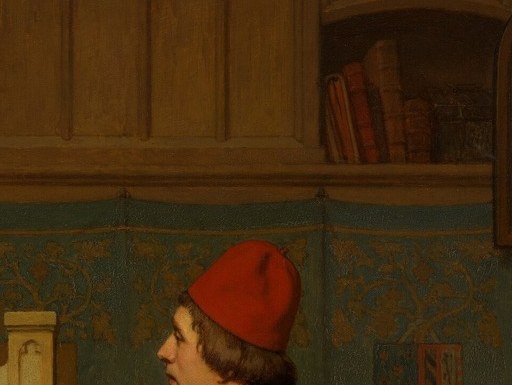
In the painting within the painting, we see Hugo van der Goes, the great Early Netherlandish master who, shortly after his own career peaked, suffered a mental health crisis and retreated to a monastery outside Brussels. Koller freezes him at the exact moment of decision: brush raised, eyes locked on his patron, the worldly court behind him.
#arthistory #hugovandergoes #19thcenturyart
Details
Transcript
A painter stares at a queen. Her name is Mary of Burgundy. She rules half of Europe. But the child in her lap never lived. And the painter? He would abandon all of this for a monastery. His brush hangs in the air. One last portrait before he goes. She looks directly at him. She knows.