Sir Joshua Reynolds (1723–1792) by Thomas Peat
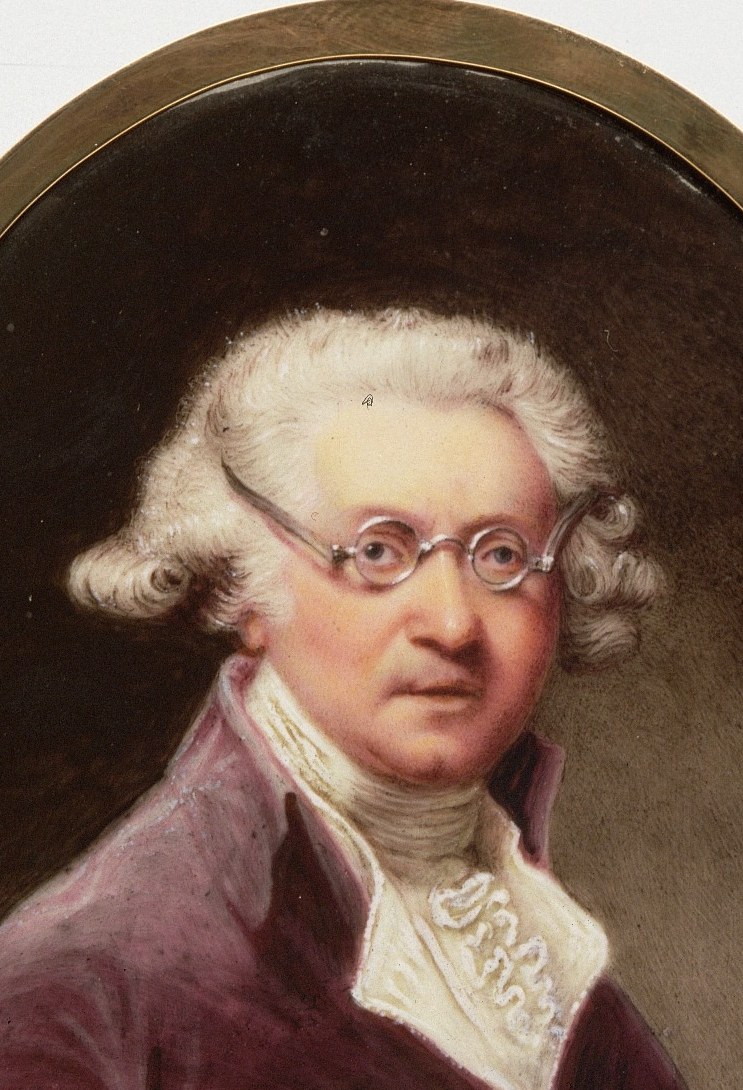
This is an enamel portrait of Sir Joshua Reynolds, painted by Thomas Peat in 1792. It currently hangs in a quiet corner of art history, but it captures one of the most poignant moments in British painting.
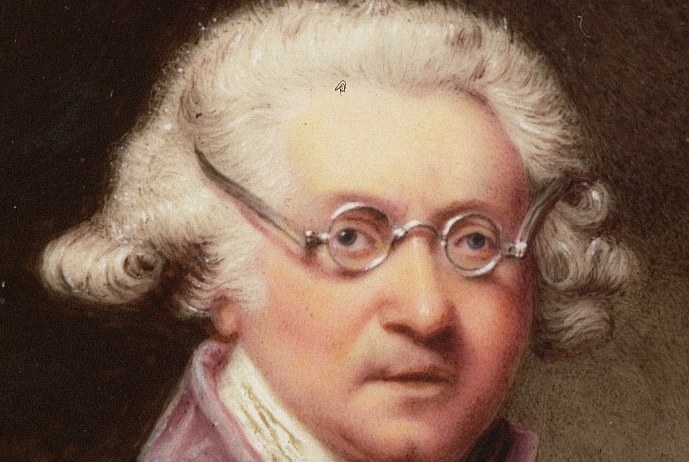
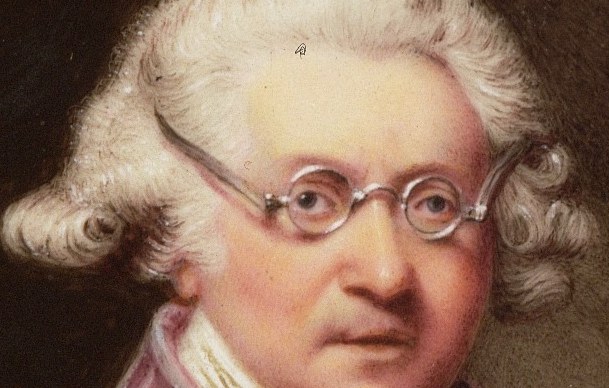
Reynolds was England's most celebrated portraitist and the first president of the Royal Academy. By 1792, his sight had failed him so completely that he could no longer work. This miniature shows him in his final year, his famous round spectacles now powerless. Peat renders his eyes through those lenses with a strange double clarity. A man who spent his life looking at others is now being looked at.
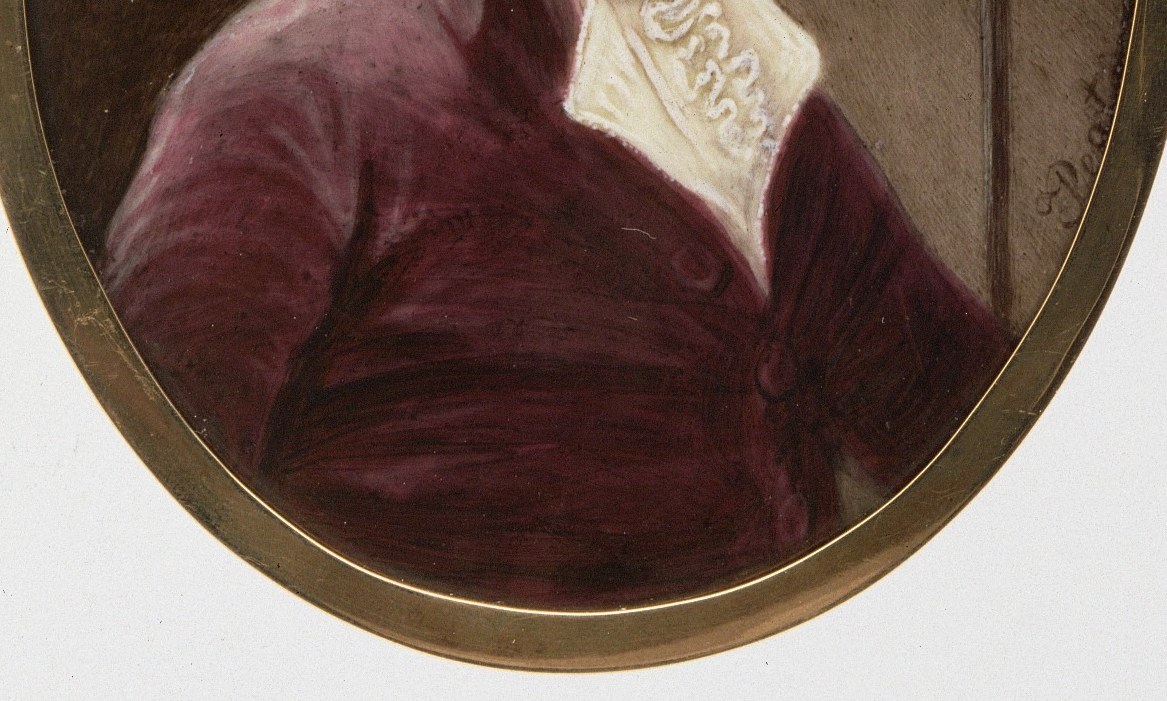
The portrait is an enamel, a wildly difficult medium where powdered glass is fired onto a metal plate. The gold ring at the top tells us it was meant to be worn: a private memorial, likely commissioned just after Reynolds died. It is intimate and durable, a small, glassy ghost of a very great painter.
Thomas Peat is barely remembered. Reynolds is in every museum. But here, for one small oval moment, Peat did something Reynolds himself could not do that year. He finished a portrait.
Details
Transcript
In 1792, Sir Joshua Reynolds was going blind. He could no longer paint. His famous round spectacles were useless. And yet, here he is, facing his own portrait. Thomas Peat painted this on glass, using fire. A wearable memorial, with a gold ring for a ribbon. The greatest portraitist of his age, recorded by a man history forgot.