Portrait of a Knight of Malta by http://www.wikidata.org/.well-known/genid/df11cf24bd003e57212891810b76687e
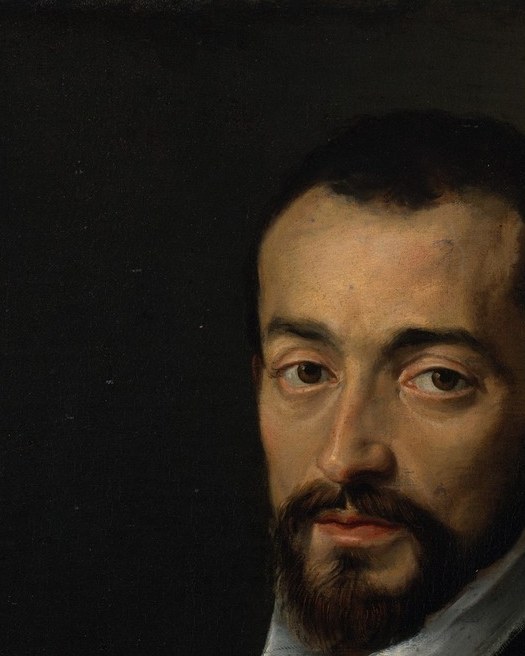
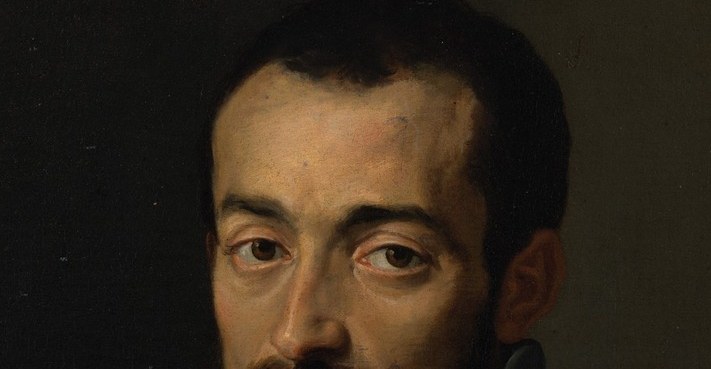
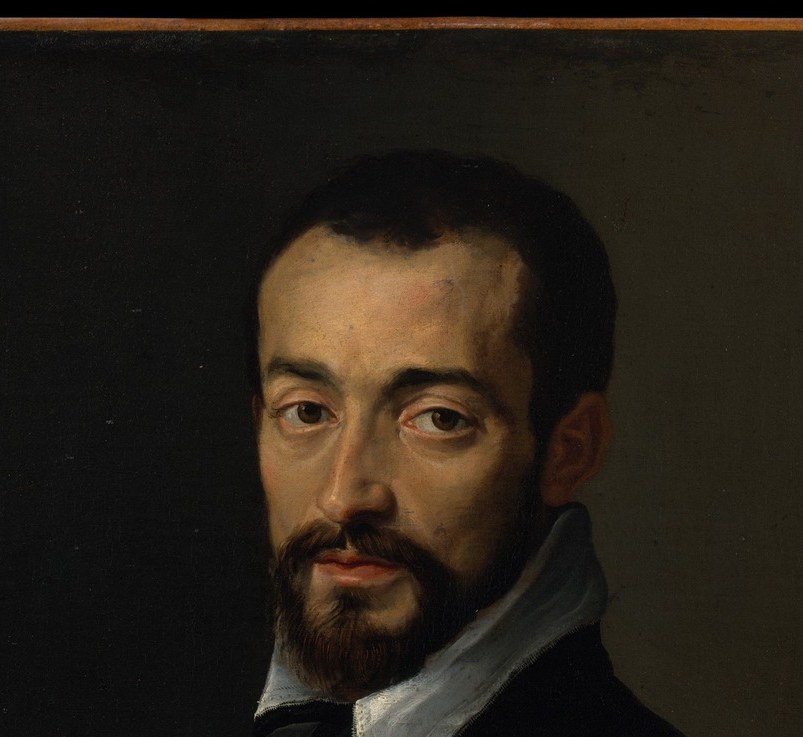
This is Portrait of a Knight of Malta, painted around 1566 by an artist in the circle of Giovanni Battista Moroni. It belongs to the great Lombard tradition of portraiture, and its entire power hangs on a single technical idea: that a face can be built not from features, but from the passage from shadow into light.
Look at the transition on his left cheek, the lit side glows warmly, then melts into the shadow side without a hard line anywhere. There is no outline. The form is modeled entirely by value, a technique called chiaroscuro that reached its most intimate, psychological peak in northern Italian portraiture before Caravaggio took it to Rome and turned it into spectacle.
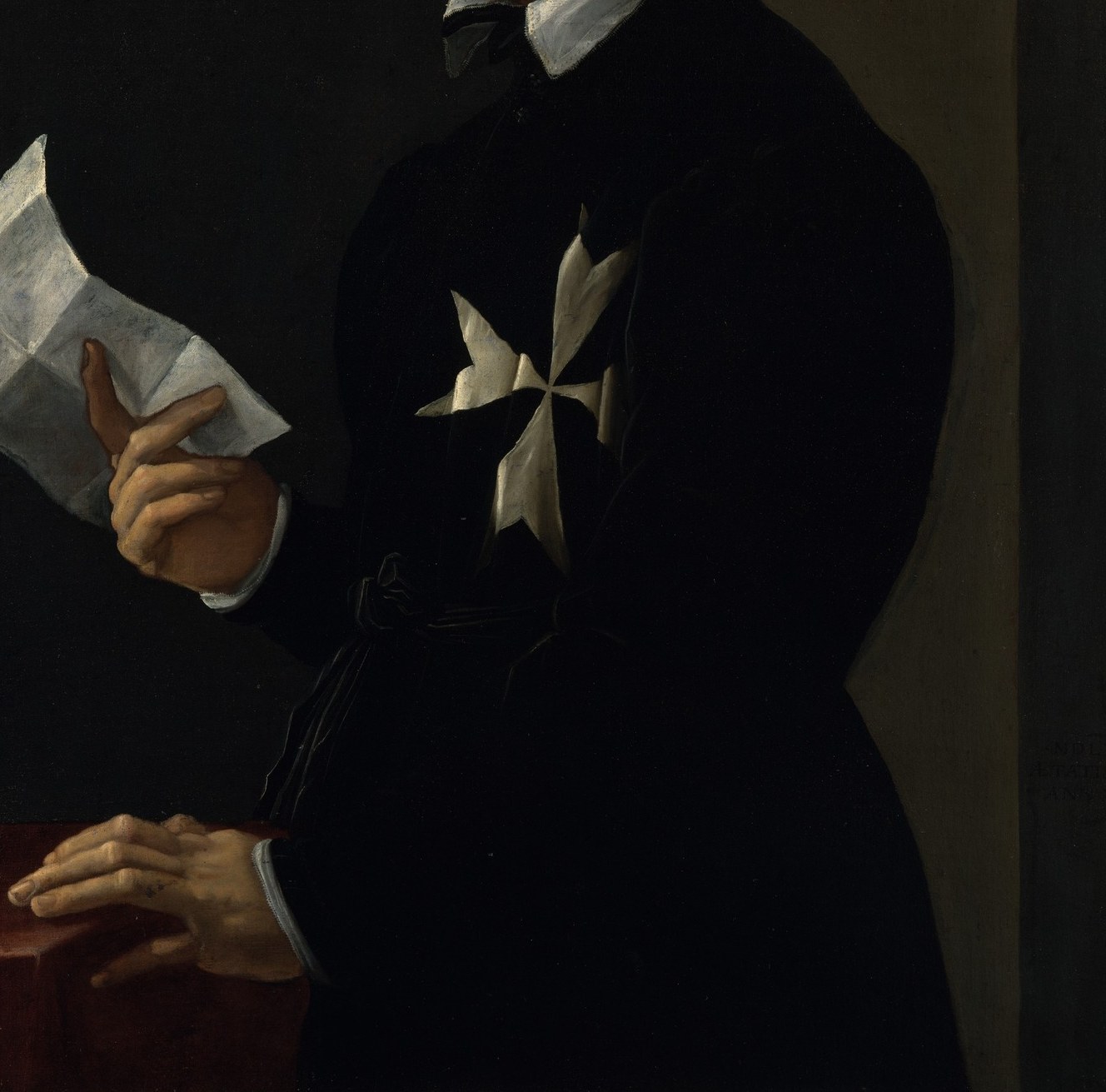
The knight's direct gaze, combined with the Maltese Cross on his chest, identifies him as a member of the Order of Saint John just after the Great Siege of Malta in 1565, one of the most consequential military clashes in Europe that year. His black velvet doublet is itself a declaration: dyeing cloth that deeply and evenly was ruinously expensive, and only the highest ranks wore it. The folded letter in his hand, held with relaxed authority, likely confirms his patent of nobility.
The painter here demonstrates total control over oil's greatest gift, the almost invisible blending of tone. You're looking at a face produced by patience and glazing, long before the camera made shadow into a chemical accident.
Details
Transcript
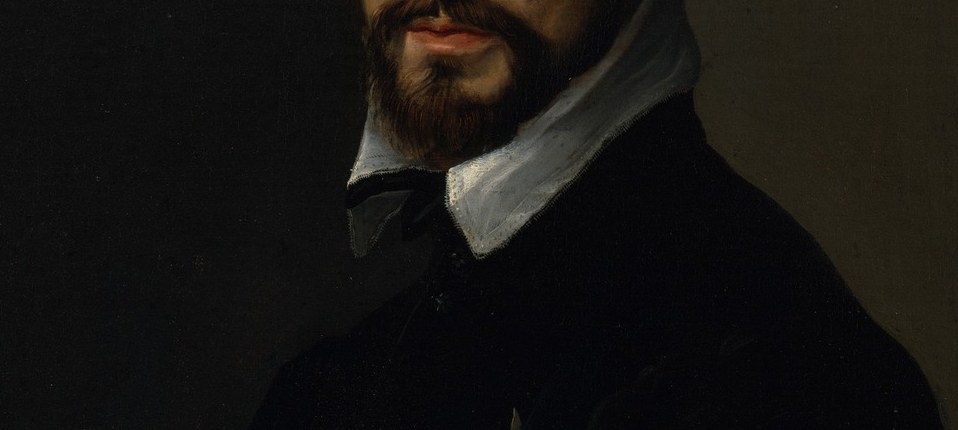
Stare into the shadow side of his face. The dark doesn't end. The light doesn't begin. There is no line. Just value dissolving into value. This is oil paint in 1566, doing something photography would need centuries to replicate. The technique is called chiaroscuro, and here it's surgical. His black doublet could swallow a room. Only the most expensive velvet absorbs light like this. And the white ruff, a perfect, pleated bloom of light, pulls your eye to the face the darkness built.