Panoramic Landscape with Tobias and the Angel by Kerstiaen de Keuninck
Kerstiaen de Keuninck's "Panoramic Landscape with Tobias and the Angel" (c. 1620) from the Rijksmuseum offers a vast imagined world. This painting emphasizes nature's grandeur over its human narrative, a common theme in early 17th-century landscapes.
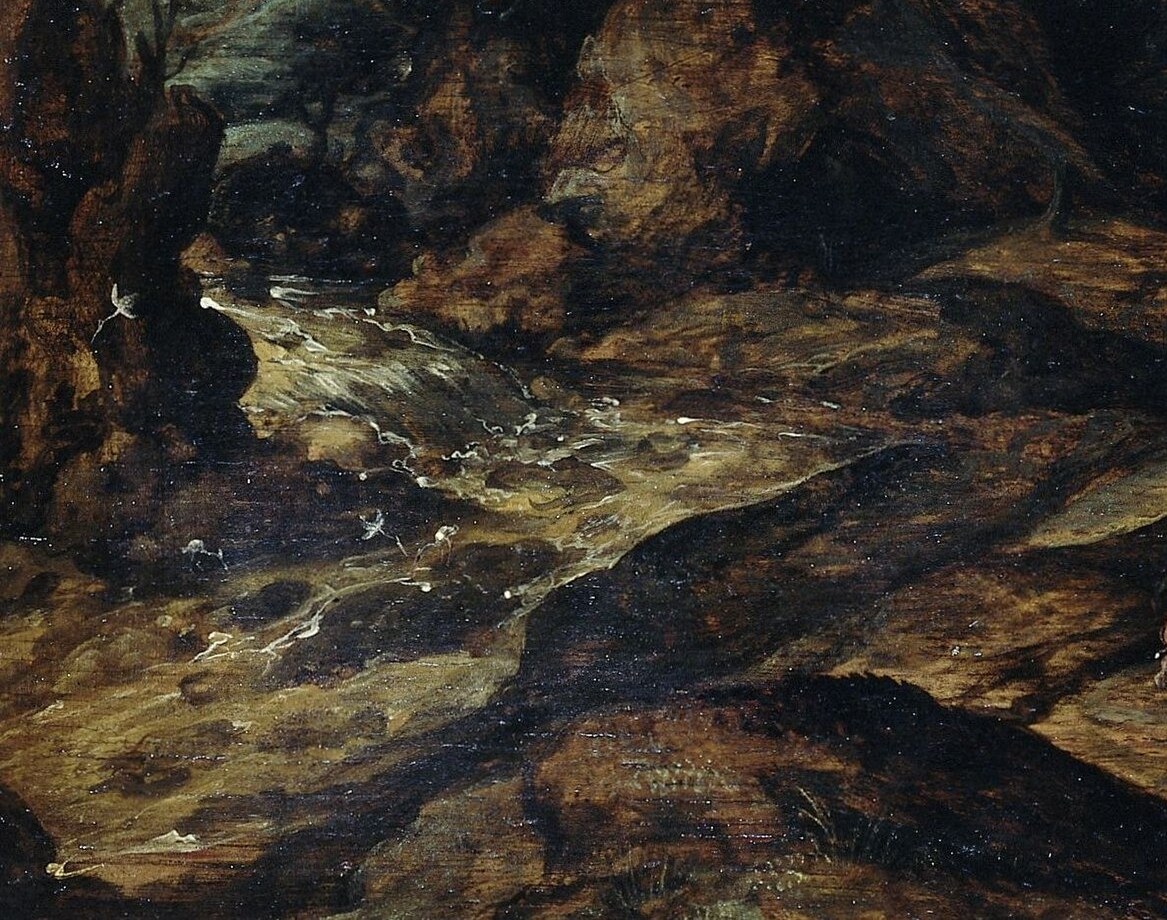
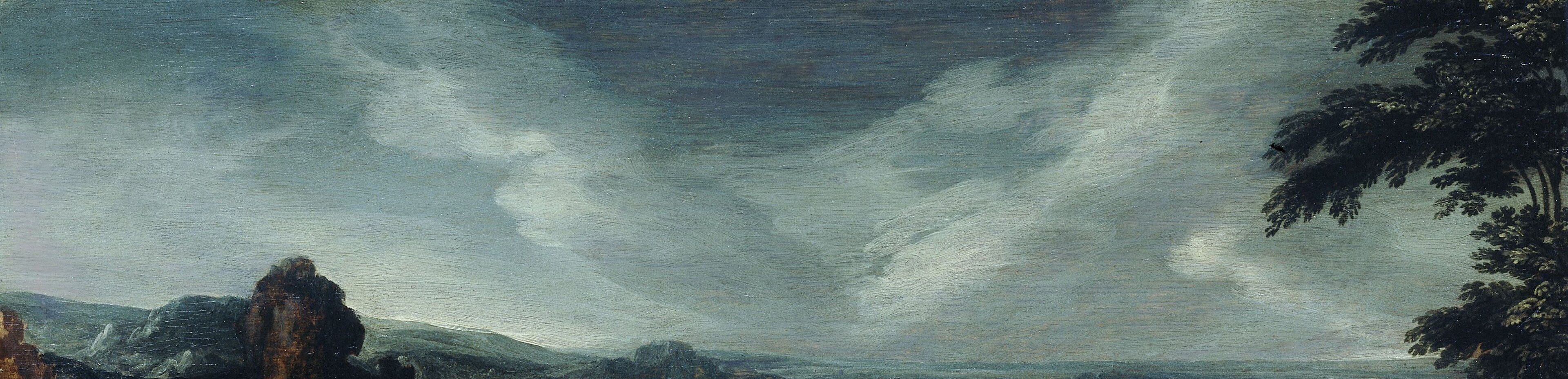
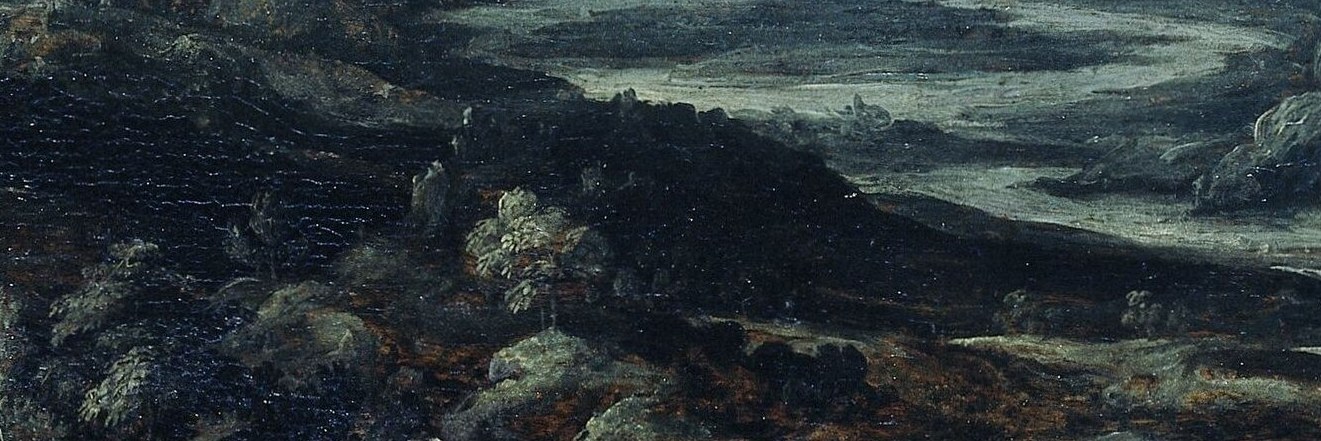
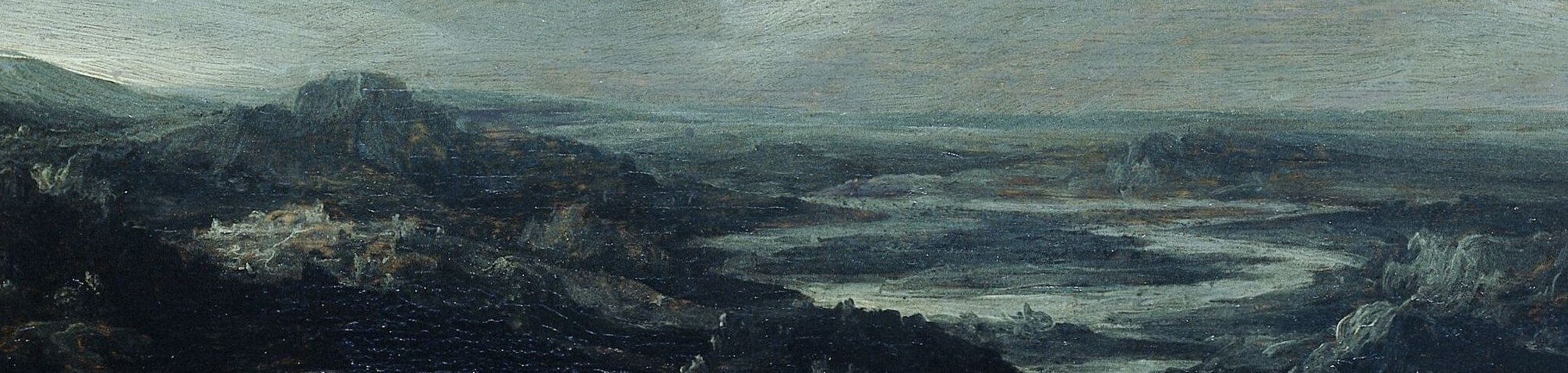
Look closely at the distant figures of Tobias and the Angel; they are rendered so small they are almost lost within the epic scale of the terrain. The foreground boasts heavily textured rocks, brought to life with rough, tangible brushwork, contrasting with the atmospheric, hazy mountains in the distance. The sky itself is a dramatic display of swirling clouds, adding to the scene's powerful atmosphere.
Kerstiaen de Keuninck was an artist born in Kortrijk, and this work exemplifies the Dutch Golden Age's fascination with detailed, expansive landscapes. The deliberate placement of small biblical figures within immense natural settings highlights a shift in artistic focus towards the sublime power of the natural world.
This painting invites us to consider where our attention is drawn. Is it the human story, or the overwhelming beauty of the earth?
Details
Transcript
This artist built a world of epic scale. Look at the tiny figures in the distance. They are Tobias and the Angel, barely visible. Nature, not scripture, dominates this scene. Notice the deep, textured rocks in the foreground. Rough brushwork gives them tangible life. The sky roils with dramatic, swirling clouds. This artist painted in 1620.