Cupid with the Wheel of Time by Titian
View the artwork: Cupid with the Wheel of Time →
Titian's early allegorical painting Cupid with the Wheel of Time, made around 1515 to 1520, presents a surprising proposition: our romantic passions are not passengers on fortune's wheel, they are the hand that turns it.
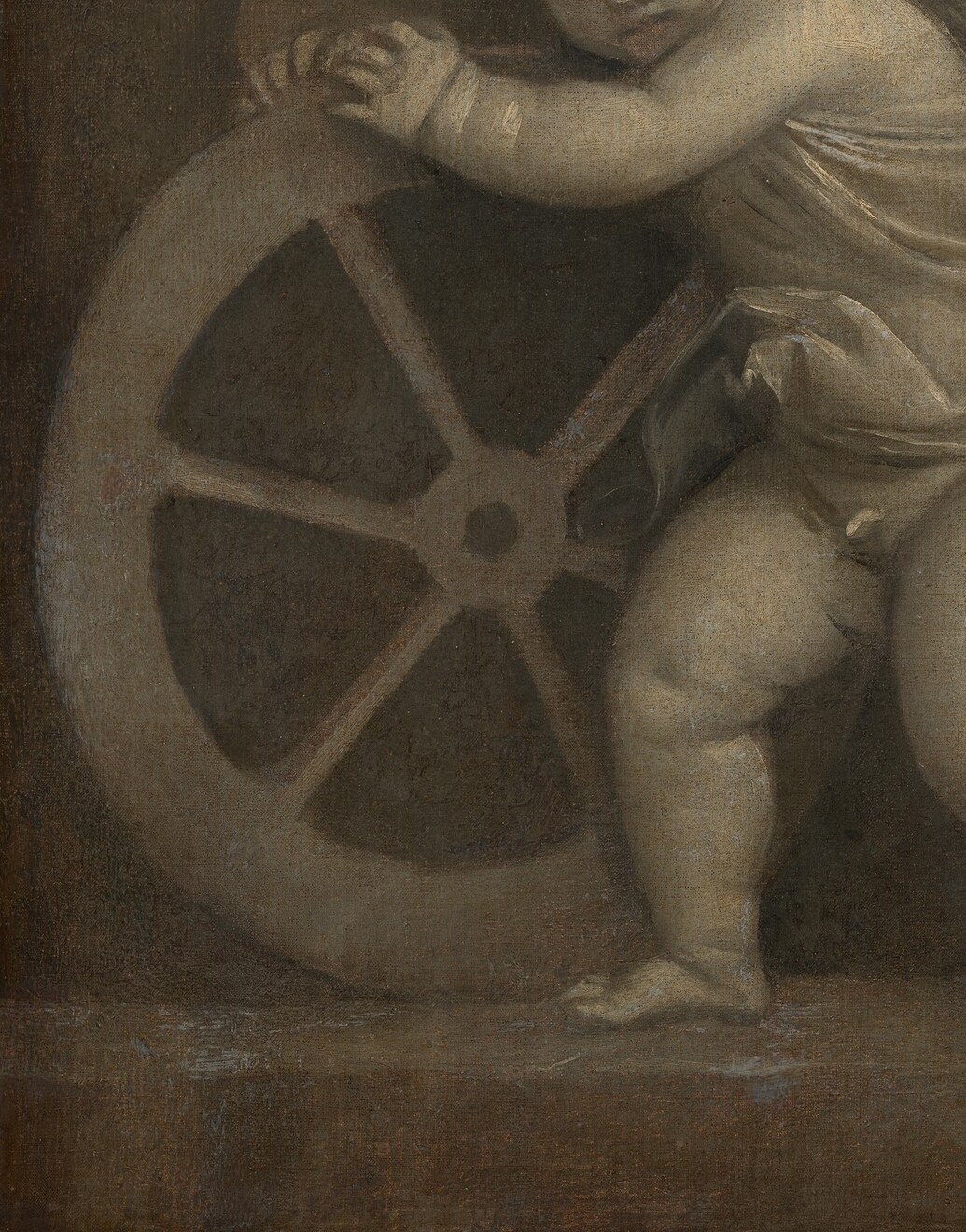
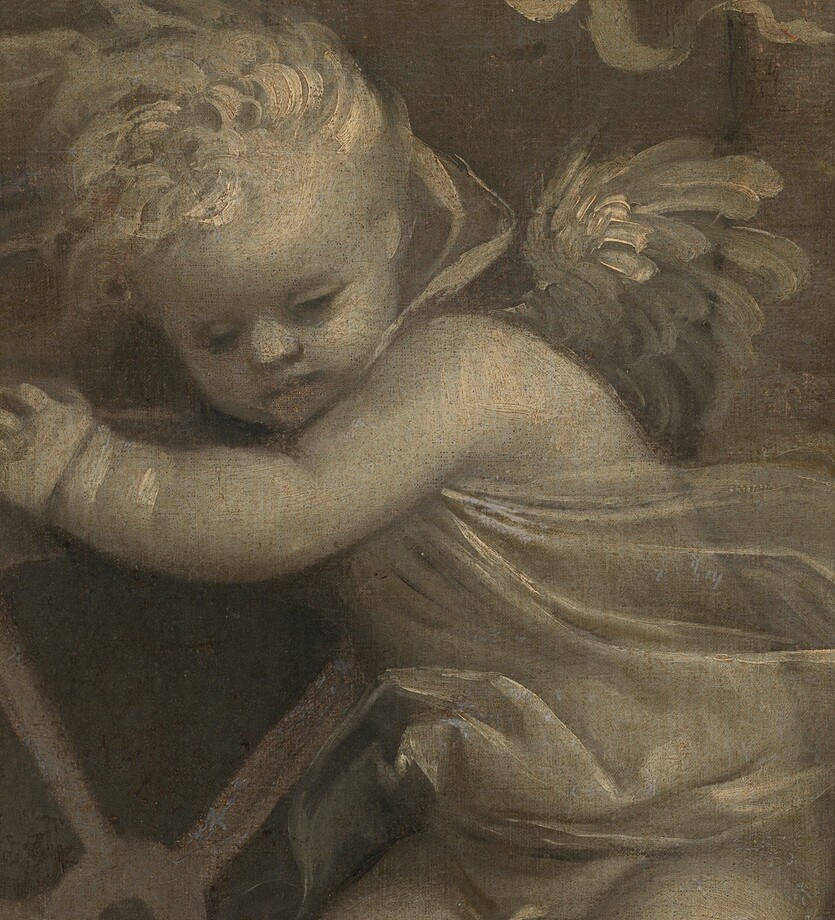
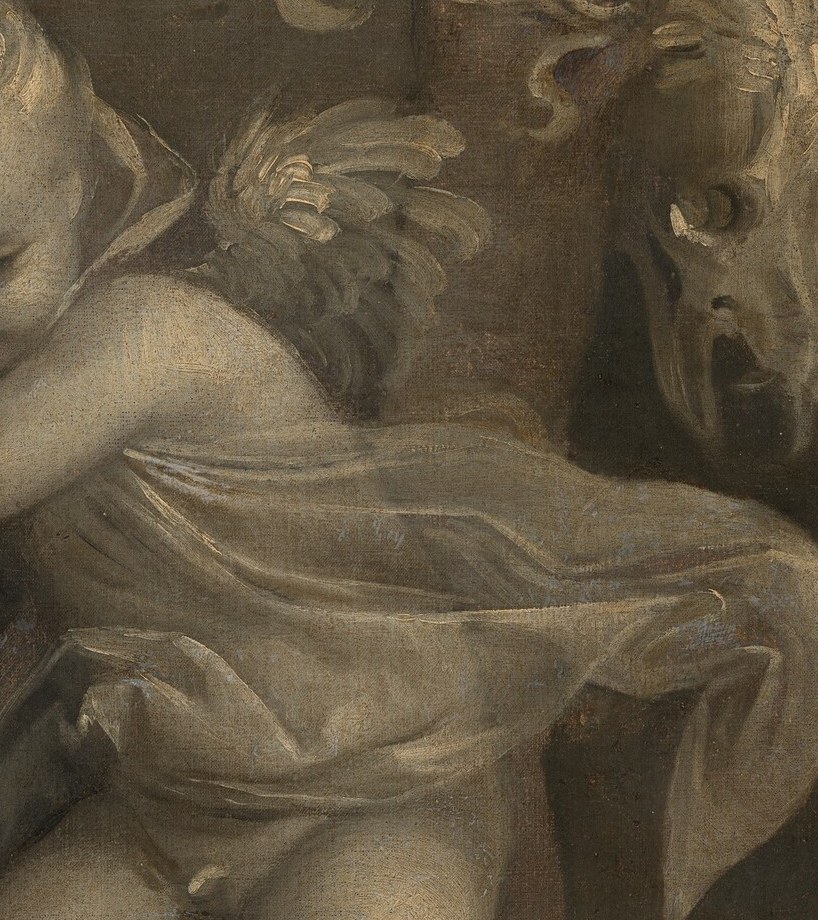
The large wooden wheel carries the classical motif of the Rota Fortunae. Faint figures cling to the rim, one ascending while another sinks downward. But the dominant figure is a plump, winged Cupid, whose left hand grips a spoke with real physical intent. His feet are planted wide, his white drapery catches an unseen wind, and his gaze is directed downward at his work, concentrated rather than playful. The effort in his small body makes the allegory oddly human.
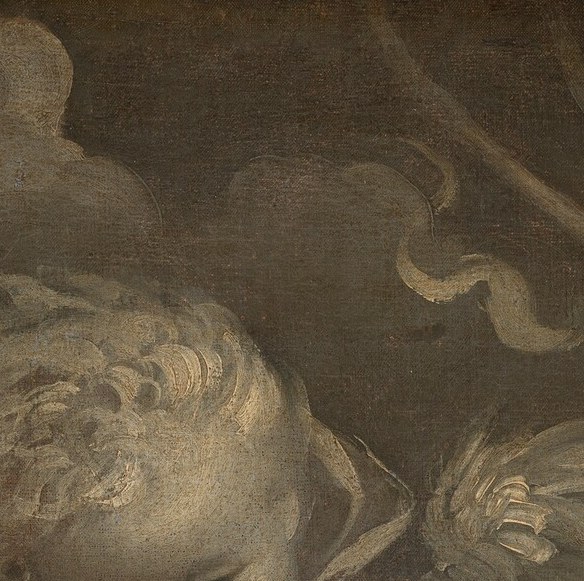
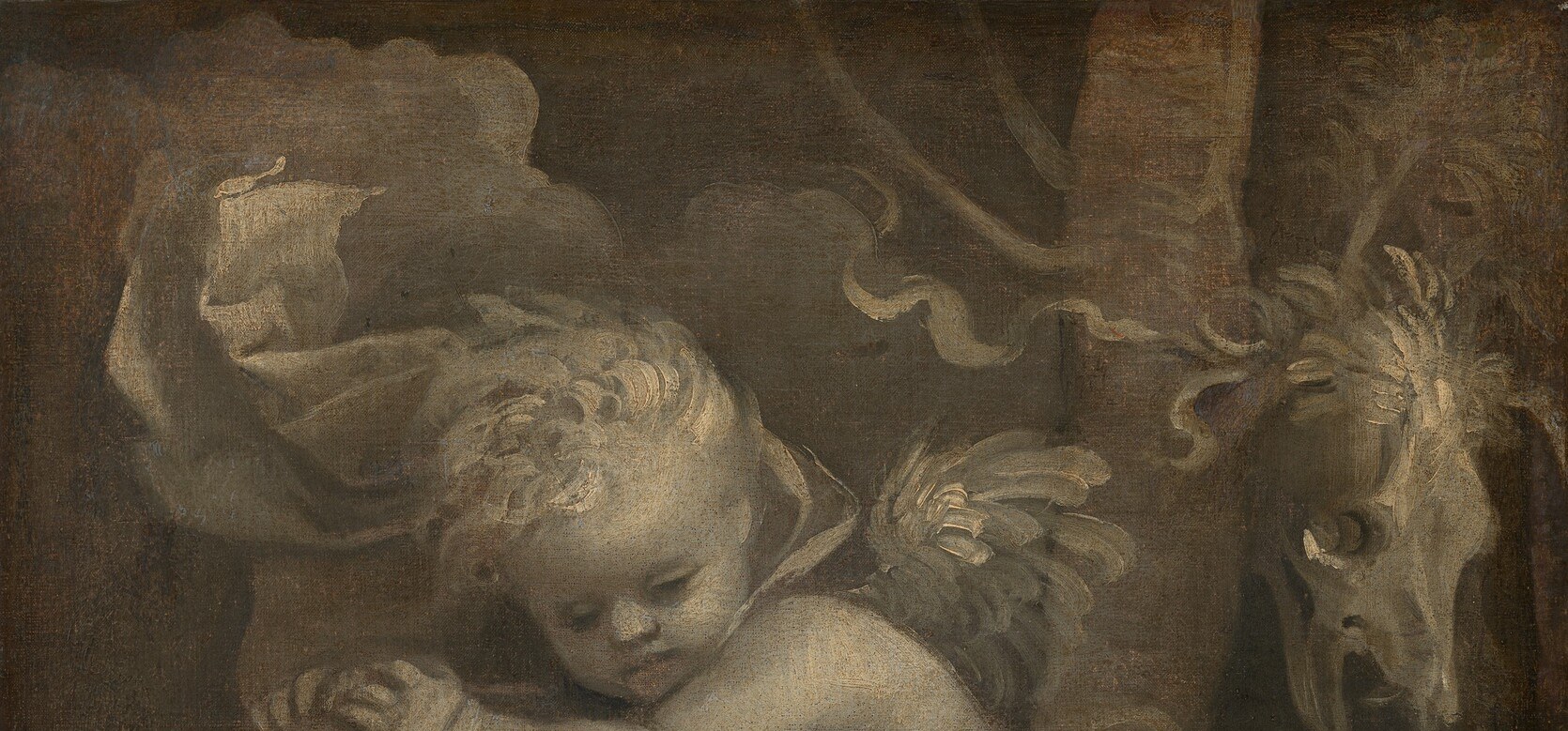
Titian painted this early in his long career, using a rapid, visible brushwork that feels immediate and tactile, especially in the drapery and the grain of the wheel. The dark, stormy sky behind Cupid is unusually moody for a mythological scene and prefigures the atmospheric drama that would define his mature masterpieces years later.
What the painting quietly suggests is that love is not merely something that happens to us. It is something we push on, strain against, and steer by, for better or worse. What do you see in the child's face: exhaustion, or resolve?
#arthistory #titian #renaissance
Details
Transcript
This wheel carries whole human lives on its rim. One figure rises. Another falls. The old story. But who is turning it? A child. Cupid, the god of love. His hand wraps the spoke. This is the pivot. His feet are planted. It takes effort. Titian painted this around 1520, before his fame was assured. Love steers our fate. The painting insists.