Madonna and Child with the Infant John the Baptist and St Clara by http://www.wikidata.org/.well-known/genid/65290ff11b354a1cfad3888e2e896148
This painting, "Madonna and Child with the Infant John the Baptist and St Clara" by Parmigianino, created around 1520, is a masterful example of religious storytelling through subtle symbolism. The artist uses key elements to convey deeper theological meaning, inviting the viewer to engage more closely with the narrative.
Take a moment to observe the infant John the Baptist. His small cross is not just an accessory; it's a powerful symbol. It foreshadows his crucial role as the precursor to Christ, preparing the way for his ministry.
Even more striking is the partially visible inscription on the scroll he holds. The words 'ECCE AGNUS DEI' (Behold the Lamb of God) explicitly link John to Jesus. This detail confirms John's prophetic mission, identifying Jesus as the ultimate sacrifice.
Through these carefully placed symbols, Parmigianino enriches a traditional scene, turning it into a deeper reflection on divine purpose and connection. What other subtle details do you notice?
Details
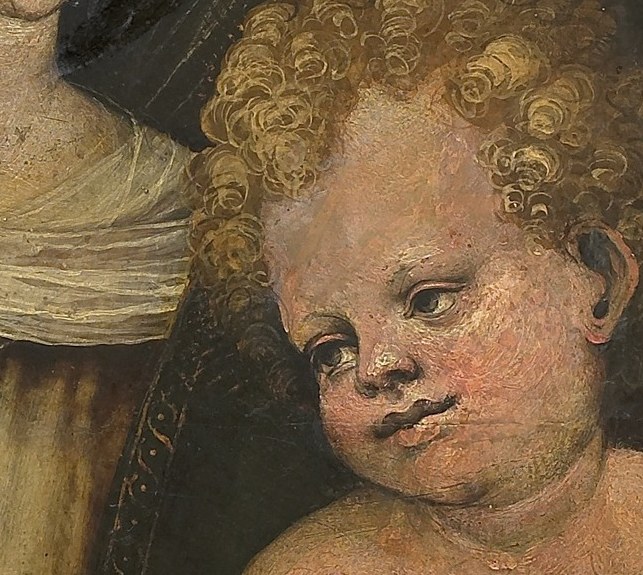
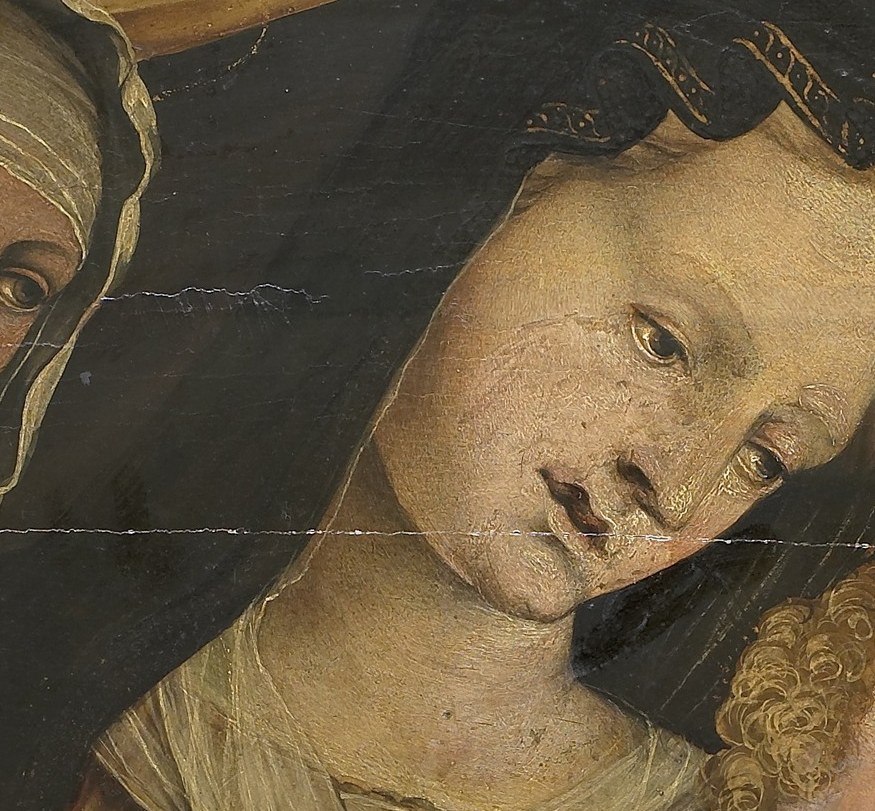
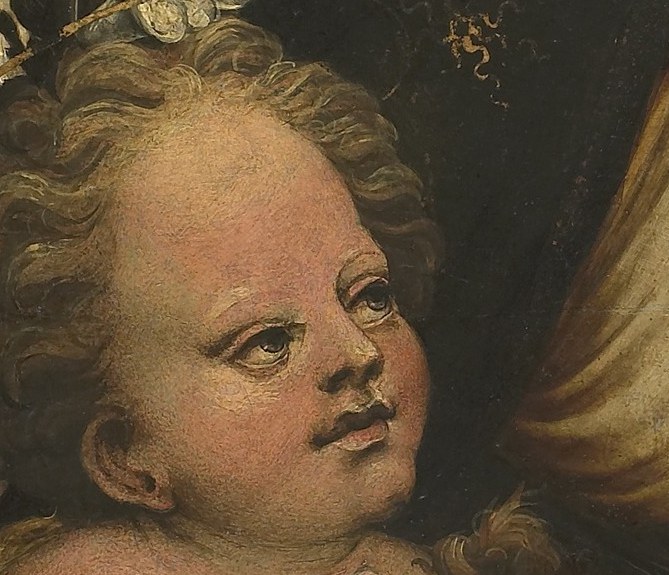
Transcript
This painting tells a traditional story. Here is the infant John the Baptist, holding his cross. The cross foreshadows his role as Christ's forerunner. Look closely at the scroll in his hand. The text, 'ECCE AGNUS DEI,' means 'Behold the Lamb of God'. It connects John directly to Jesus, the Lamb of God.