Still Life with Fruit / Gooseberries in a Bowl by Forster, George
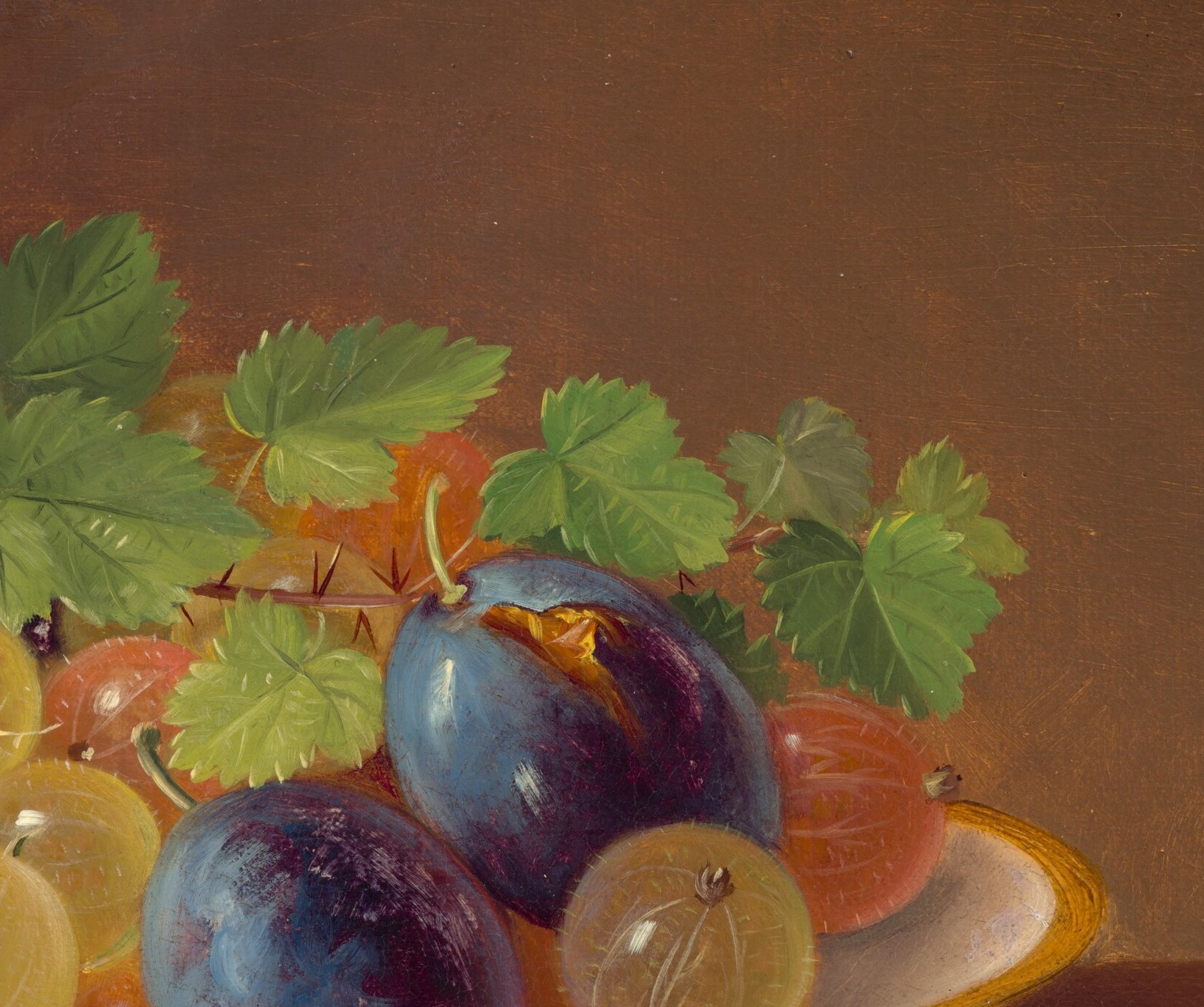
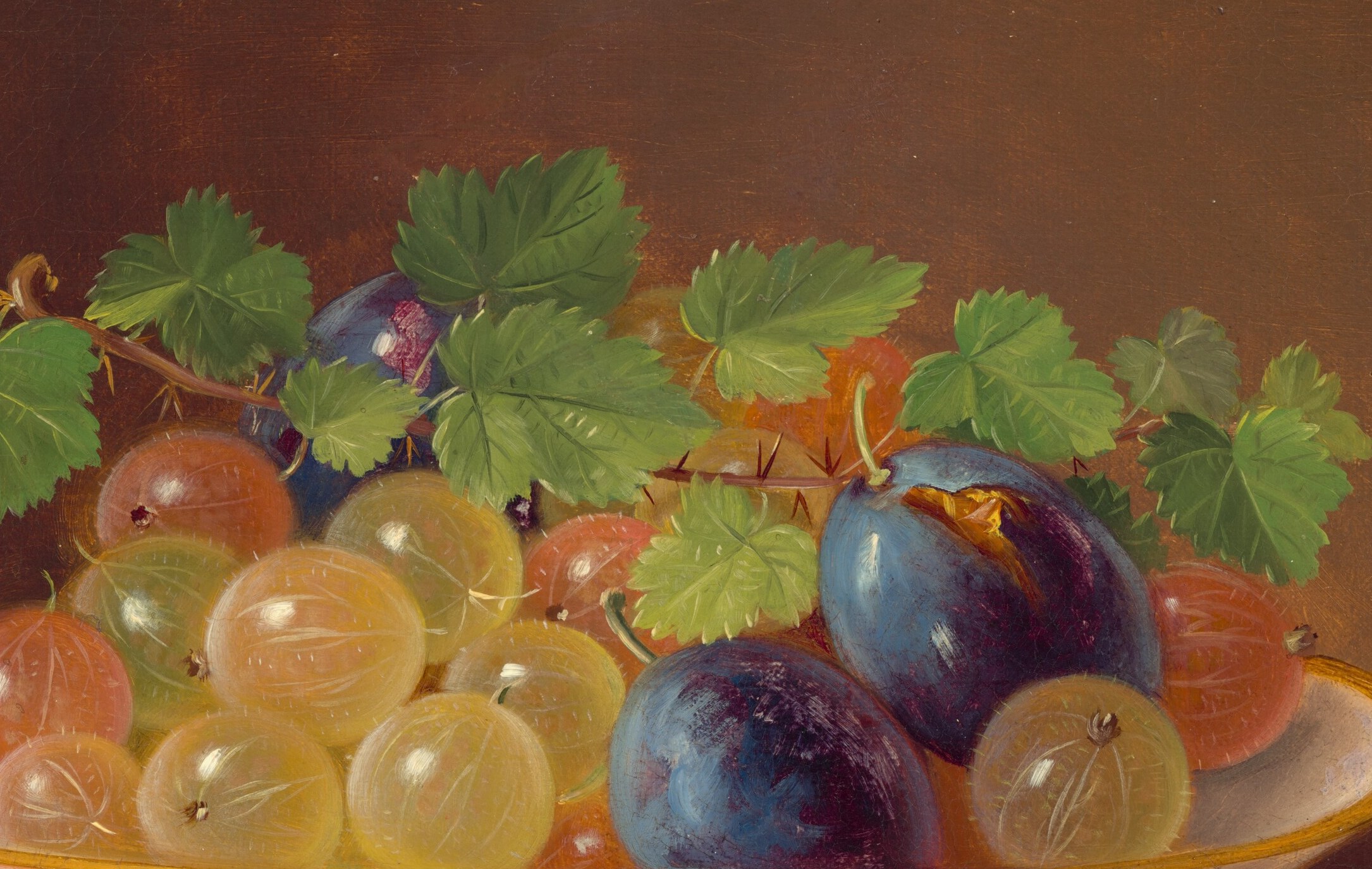
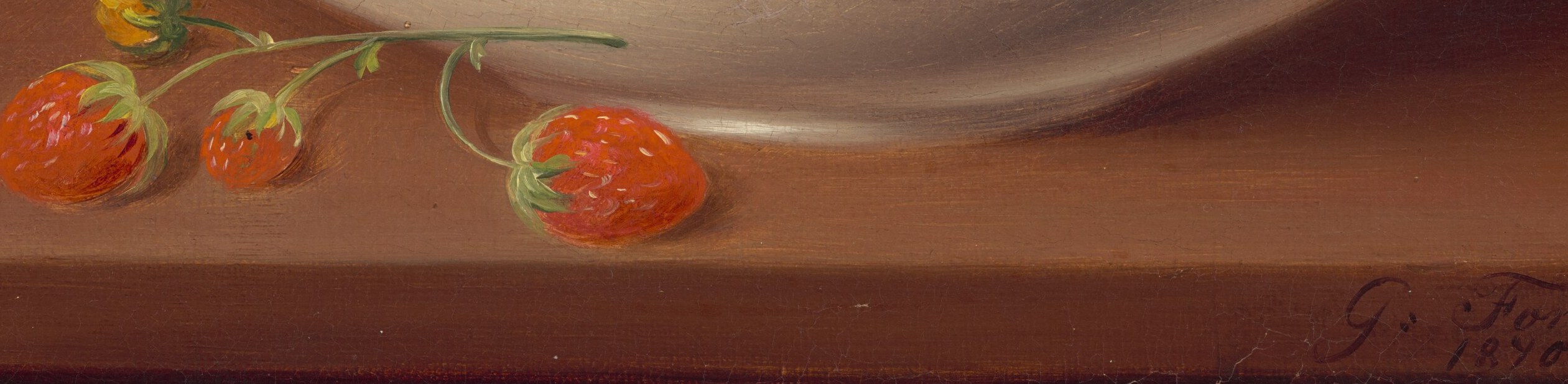
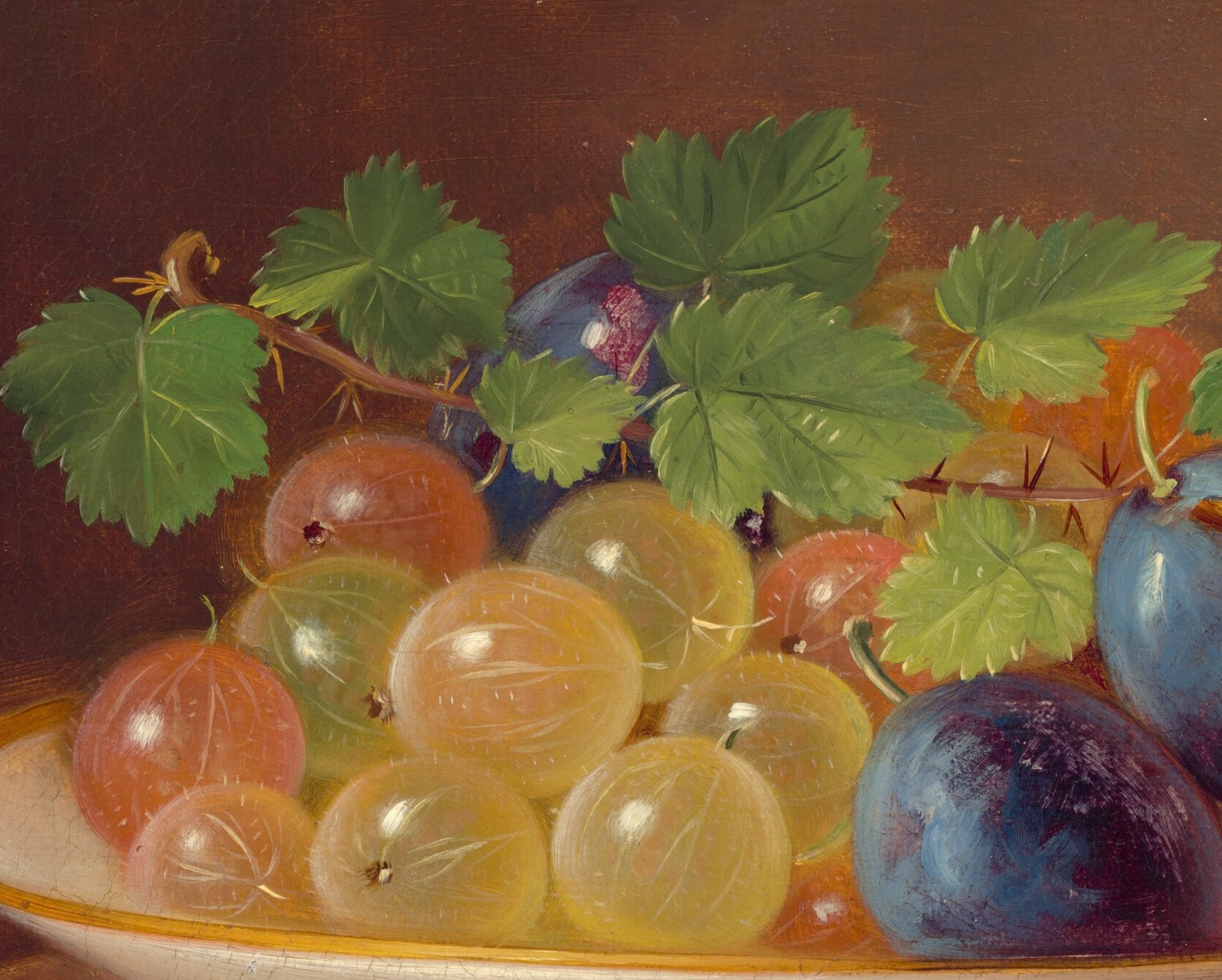
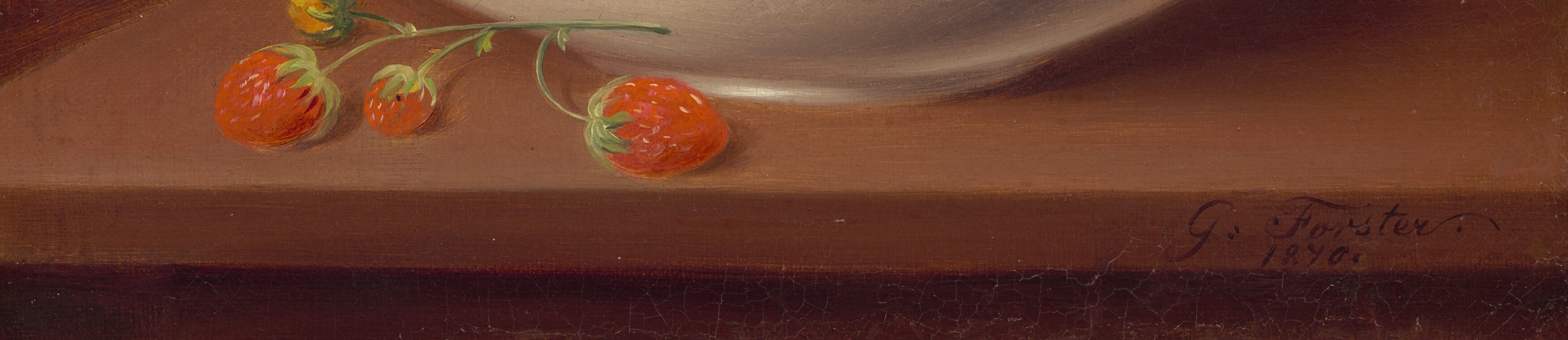
George Forster's 1870 oil painting, Still Life with Fruit / Gooseberries in a Bowl, now held in a private collection, caused an unexpected scandal at its debut. Not for its technique, but for its subject matter.
Forster masterfully rendered the translucent skin of the gooseberries and the soft bloom of the plums, using thin glazes to capture their luminosity. His meticulous attention to detail even extended to capturing the effects of natural morning light.
However, in 1870, painting common gooseberries was considered a radical and even scandalous choice. Art critics of the time often favored grander subjects, finding everyday fruit too humble for serious artistic depiction. This painting, with its simple beauty, challenged those conventions.
It's a reminder that what we consider art is often shaped by the shifting tastes and social norms of its time. What seemingly innocuous subjects in art today might have raised eyebrows in the past?
Details
Transcript
This still life, painted in 1870, caused quite a stir. Look at the fruit, especially these translucent ones. The painter used thin glazes to capture their inner glow. The artist, George Forster, worked only in morning light. But the subject itself was considered a scandalous choice. At the time, gooseberries were considered too common for art.