Lieutenant-General Sir Thomas Picton by Beechey, William, Sir
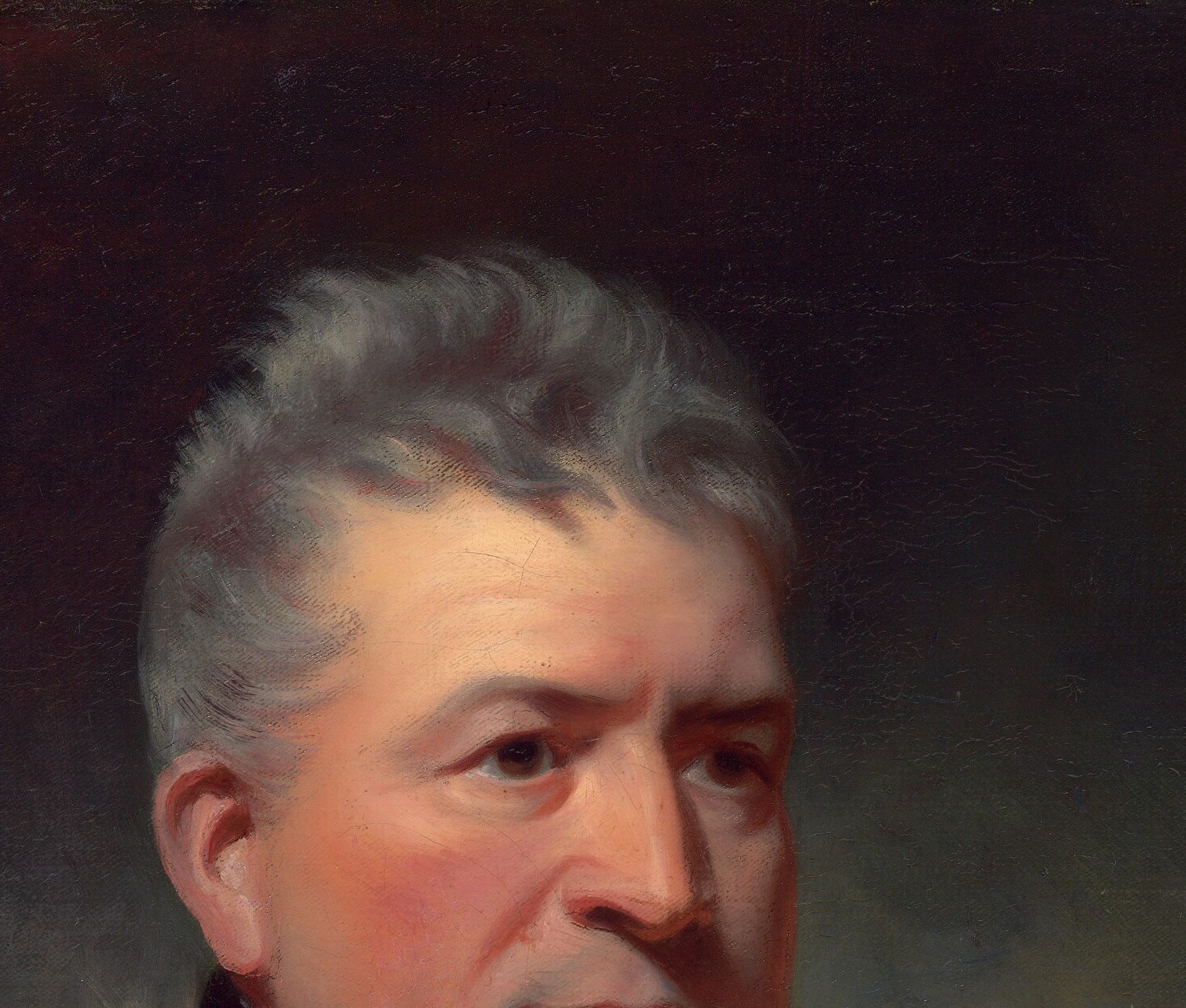
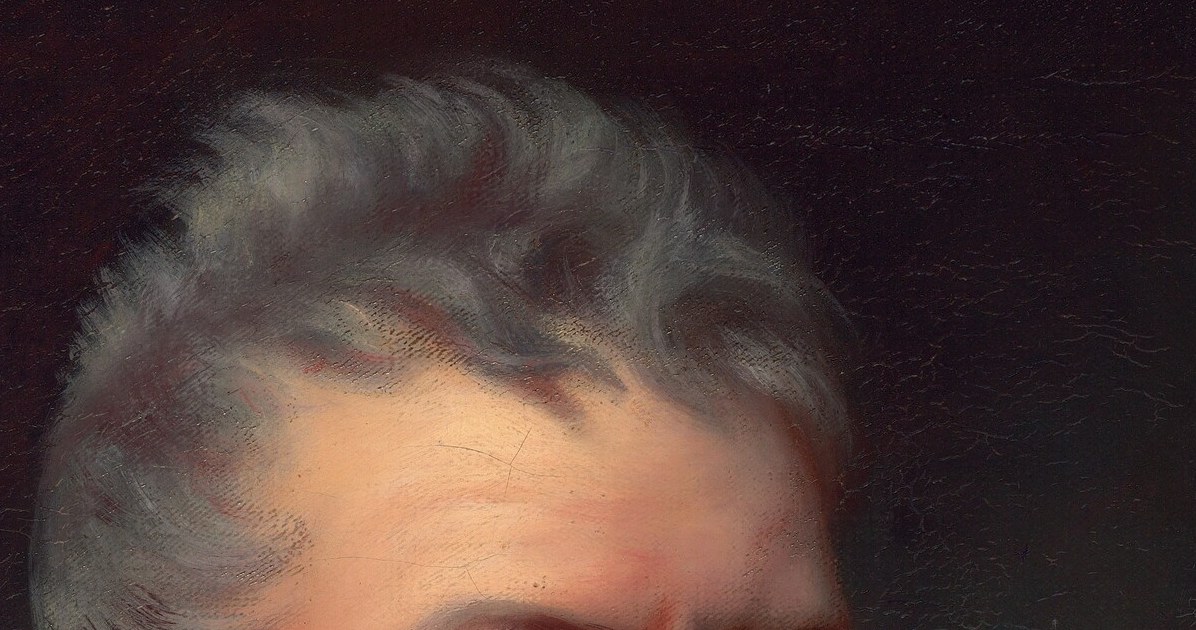
This is a portrait completed after the sitter was dead. Sir William Beechey began this painting of Lieutenant-General Sir Thomas Picton in 1815. That same year Picton rode into the Battle of Waterloo and was shot through the temple. He was the highest-ranking British officer to die in the battle. Beechey finished the work in 1816, working from earlier studies and his own recollection.
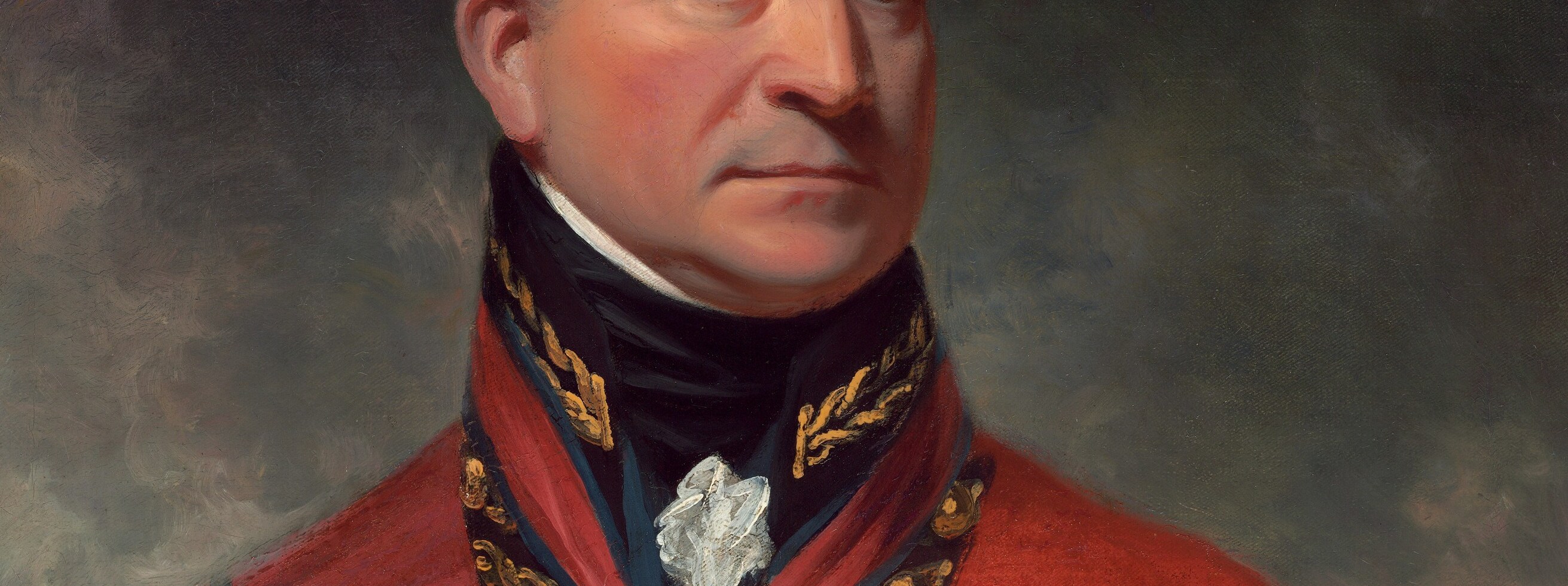
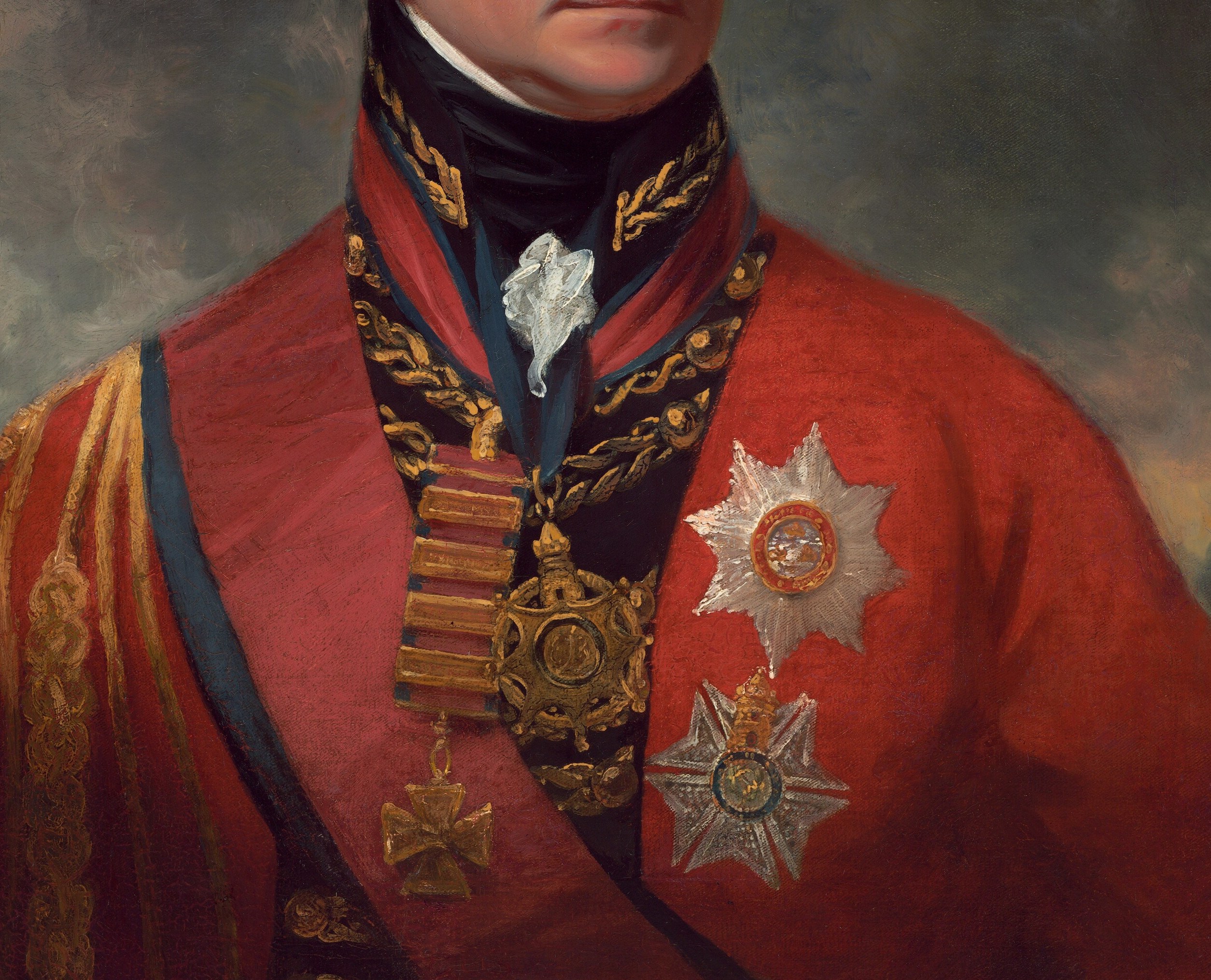
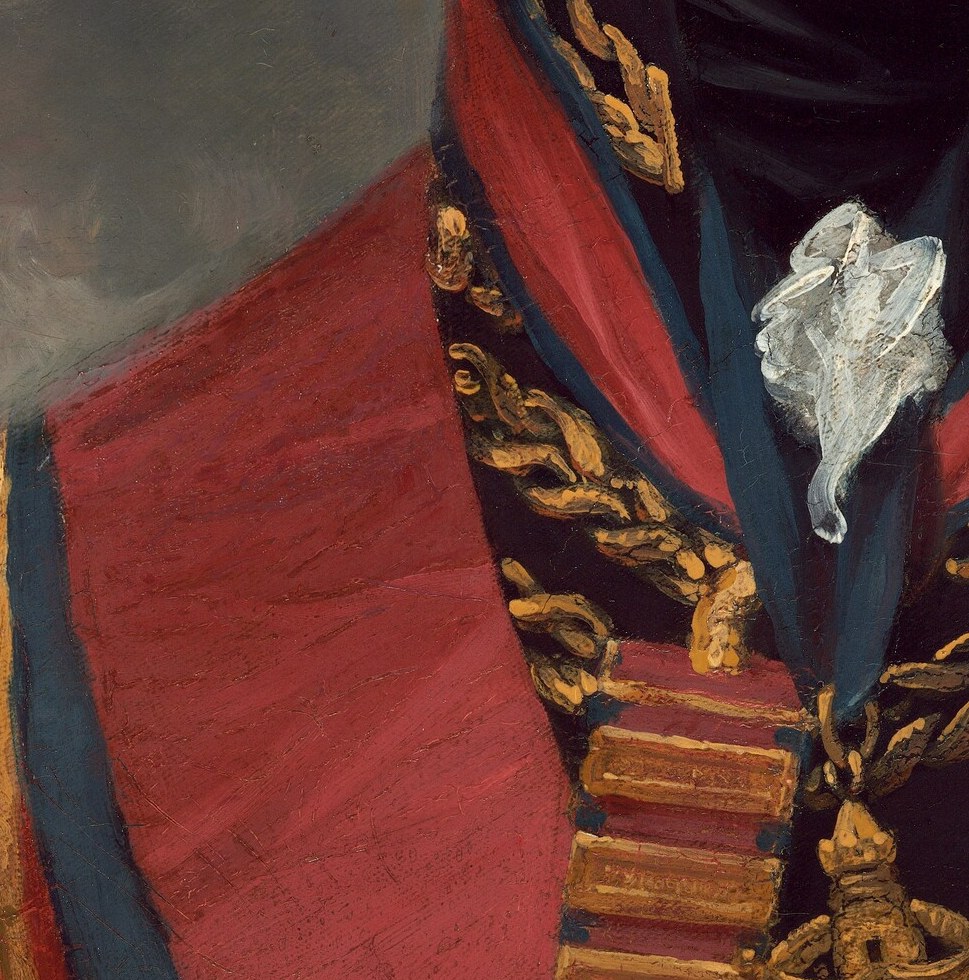
The painting shows Picton in the scarlet coat and gold epaulettes of a general officer. Look closely at the face: the skin is weathered, the jaw is set, and the grey-brown eyes meet yours directly. This is not the softened gaze of a man sitting for a flattering portrait. It is a soldier's face, rendered without apology.
Picton was a controversial and famously blunt commander, known for fighting in a top hat on the Peninsula. He was buried in the family vault at Carmarthen, but not before his body was accidentally left behind during the retreat from Quatre Bras and had to be recovered. The portrait became his official memorial image, hanging in the Royal Collection.
A painting of a man who is already gone, still staring back as if nothing has happened yet.
Details
Transcript
This portrait was begun in 1815. The sitter never saw it finished. That year he was killed at the Battle of Waterloo. The artist finished the painting from memory. He gave him the uniform he died in. And an expression that does not flinch.