Madonna and Child with the Dead Christ, Saints Agnes and Catherine of Alexandria, and Two Angels by Sano di Pietro
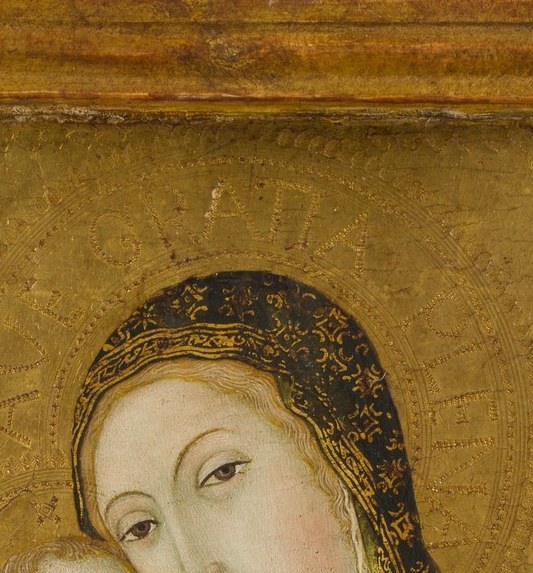
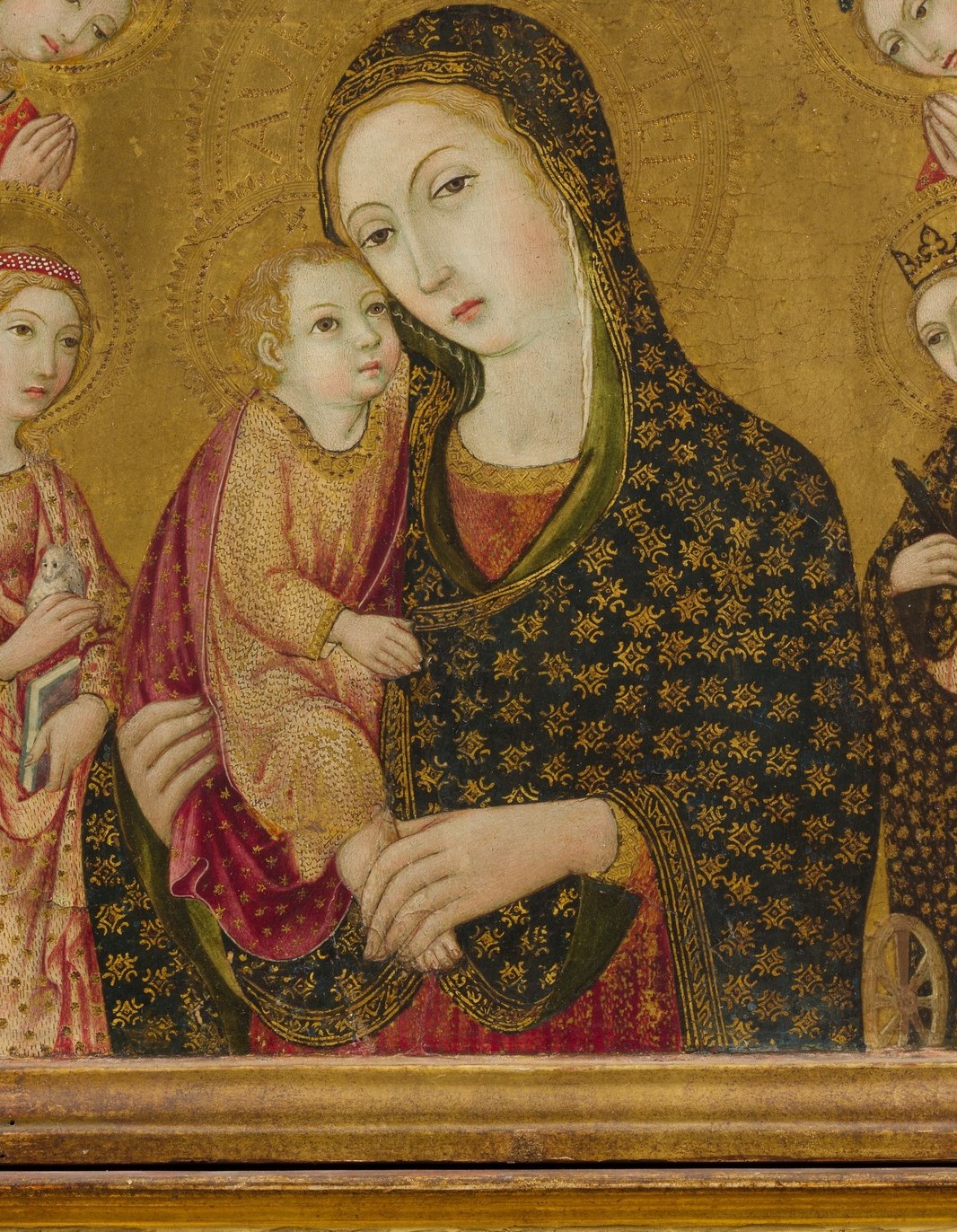
Sano di Pietro's "Madonna and Child with the Dead Christ, Saints Agnes and Catherine of Alexandria, and Two Angels," painted in tempera around 1470 and housed at The Metropolitan Museum of Art, offers a surprisingly intimate portrayal of motherhood within a devotional altarpiece. Unlike many works of its time that depicted the Virgin Mary as a distant, idealized figure, this painting brings a sense of warmth and human connection.
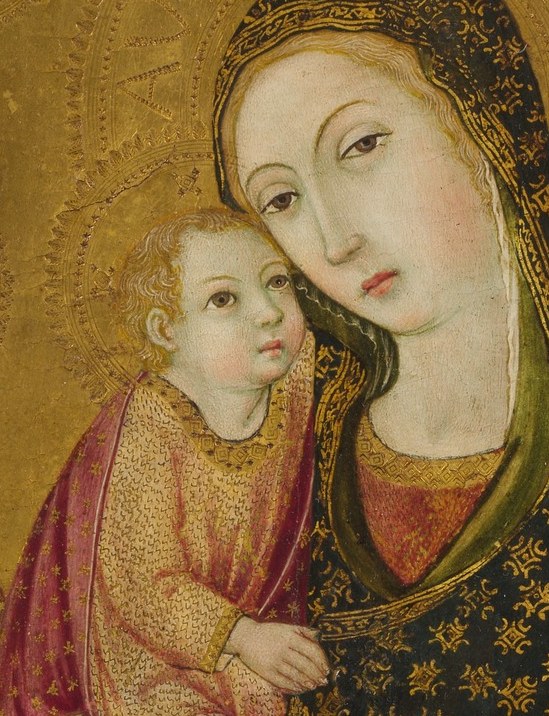
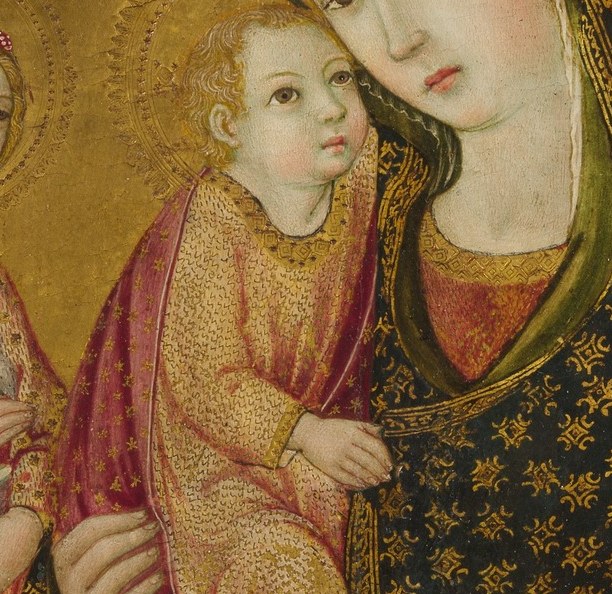
Observe the tender interaction between Mary and the Christ Child. Her head is gently tilted towards him, and the child's open hands reach up as if seeking her attention. Her own hands, softly cradling and steadying him, emphasize the maternal bond, a delicate human moment in a sacred context.
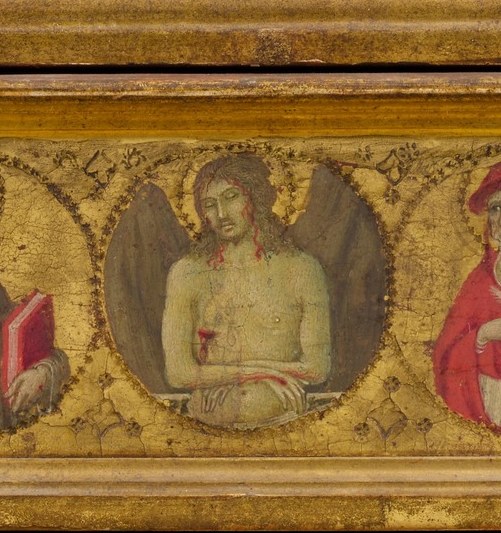
Yet, below this scene of tender affection, the predella reveals a powerful foreshadowing. The inclusion of the Dead Christ in the central medallion anchors the painting's theological meaning, contrasting the new life of the infant with the ultimate sacrifice. This juxtaposition adds a poignant depth to the work, reminding viewers of the full arc of the Christian narrative.
What emotions do you feel when seeing this blend of human tenderness and divine destiny?
Details
Transcript
This painting is a devotional altarpiece, painted in 1470. Most such panels show the Virgin as a remote, sacred figure. But this painter gives us a real mother, turning to her child. The Christ Child reaches for her face with open hands. And her hands tenderly hold the infant, a mother's embrace. At the very bottom, another scene reveals the ultimate sacrifice.