The Grand Canal with the Rialto Bridge and the Fondaco dei Tedeschi by Canaletto
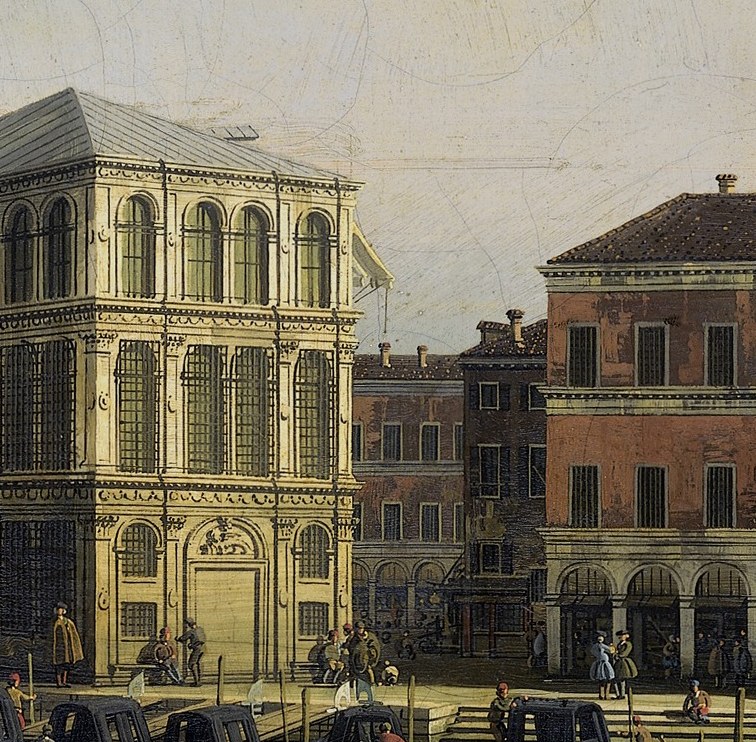
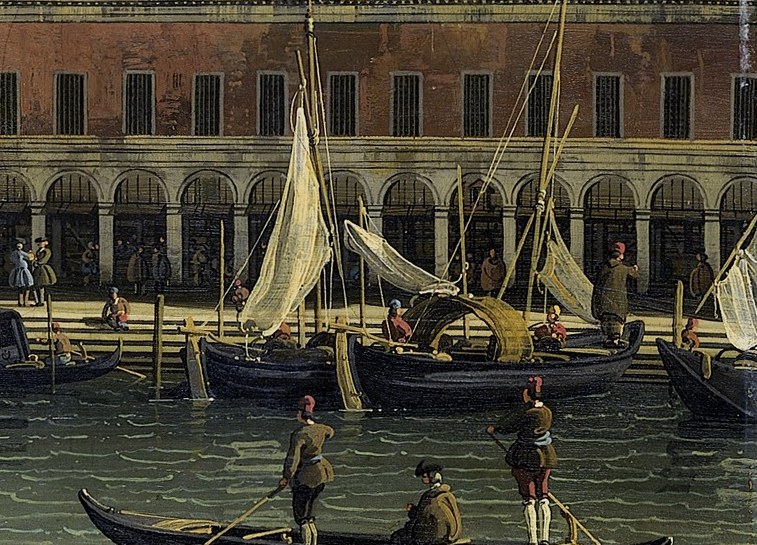
Canaletto's The Grand Canal with the Rialto Bridge and the Fondaco dei Tedeschi, painted around 1730, is a masterclass in capturing the vibrant energy of Venice. The most striking aspect is how the artist uses scale to draw the viewer into the scene.
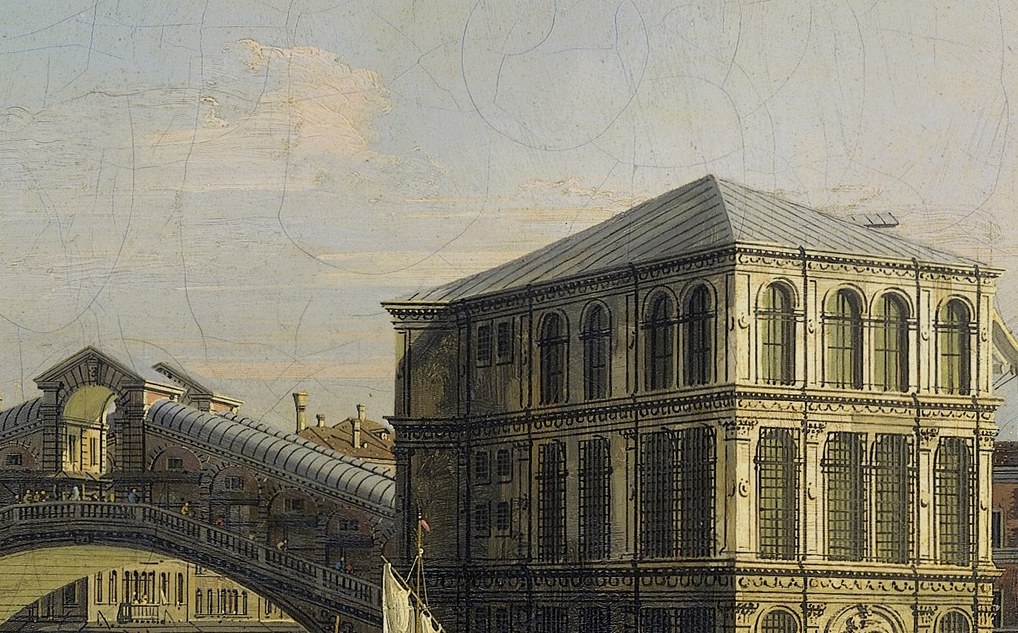
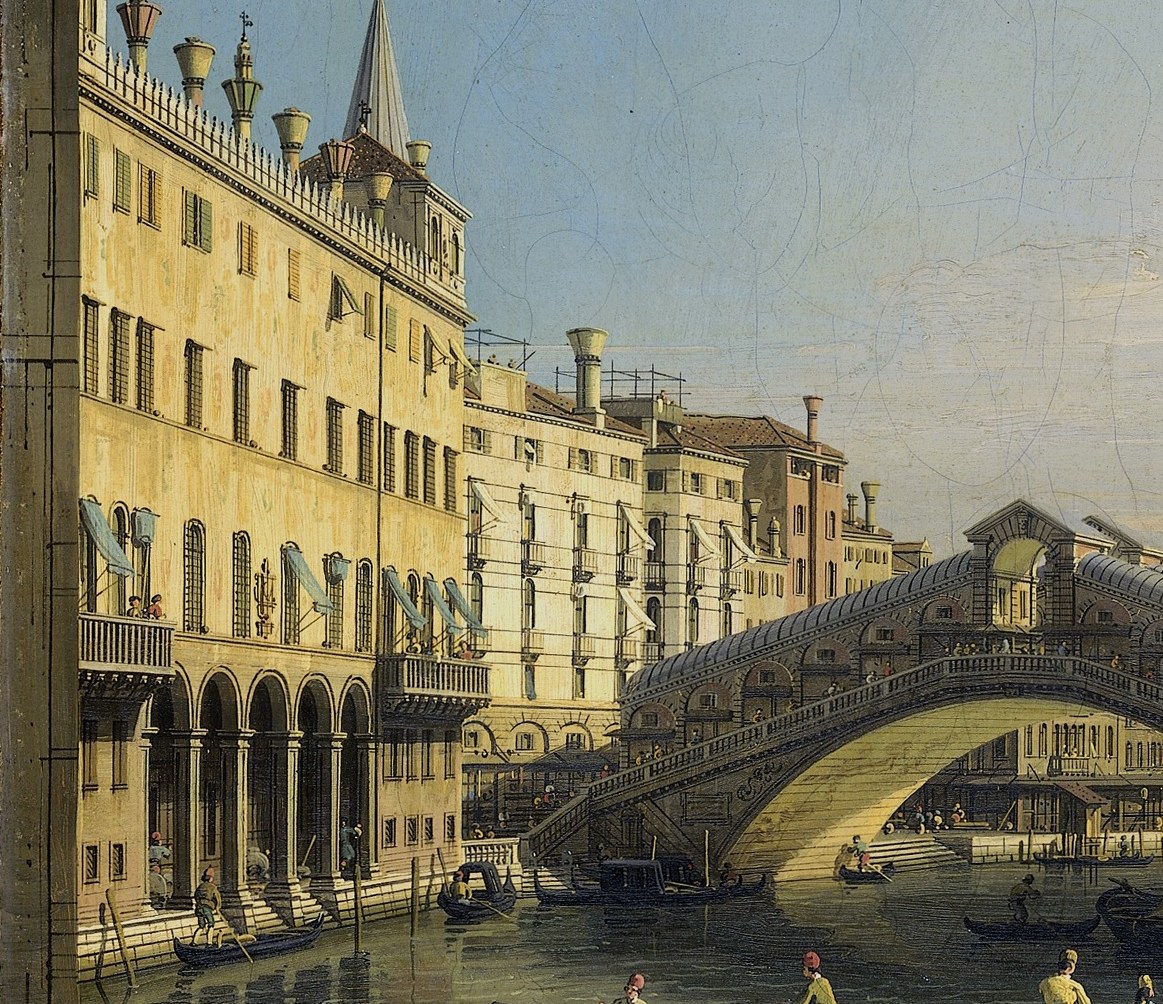
Begin with the wide view to take in the entire cityscape. Then, let your eye travel to the iconic Rialto Bridge, a hub of activity. Canaletto meticulously renders the architecture, but look closer still at the small figures dotted across the bridge's surface.
These minuscule human forms are painted with such economy of line that they become abstract shapes, emphasizing the grand scale of the bridge and the city itself. Canaletto was renowned for his detailed vedute, or topographical views, and this painting exemplifies his ability to balance architectural precision with the lively atmosphere of 18th-century Venice.
It’s a reminder that even the smallest elements can powerfully shape our perception of a grand scene.
Details
Transcript
This is Venice, bustling with life and light. Canaletto painted this view in 1730. Look at the famous Rialto Bridge. Tiny figures fill the bridge's walkway. These figures are just dots of paint. Canaletto was a master of Venetian vedute.