Mountainous Landscape by Jean Baptiste Camille Corot
Jean-Baptiste-Camille Corot's *Mountainous Landscape*, painted in 1845, is a key work at The Metropolitan Museum of Art that demonstrates a pivotal shift in art history. Corot, a French landscape and portrait painter, was instrumental in transitioning painting from Neo-Classical traditions to the *plein-air* techniques that would define Impressionism.
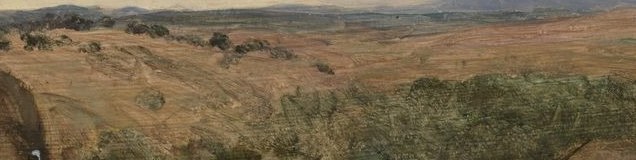
Notice the soft, diffused light over the distant fields and mountains. This atmospheric quality, achieved by painting outdoors, captured the transient effects of nature, giving his landscapes a quiet intimacy.
Corot was part of the Barbizon School, artists who rejected academic conventions to paint directly from nature in the Fontainebleau forest. His focus on unidealized, evocative rural scenes helped establish landscape as a significant subject in itself. This approach deeply influenced subsequent generations of artists.
Corot's ability to blend classical composition with direct observation made him a bridge figure, changing how artists engaged with the natural world.
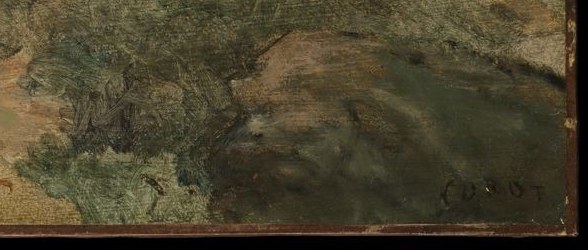
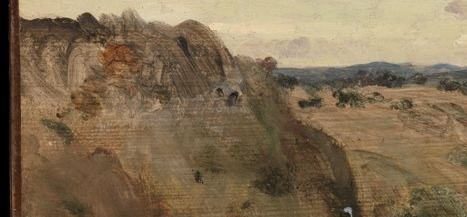
Details

Transcript
This painter bridged old traditions and new ways of seeing. He moved landscape painting from grand scenes to intimate nature. Look closely at the soft light on the distant fields. This subtle light suggests he painted outdoors, a new method. That outdoor painting style inspired the Impressionists who followed. His quiet landscapes changed how artists captured the world.