Lucy by Max Bohm
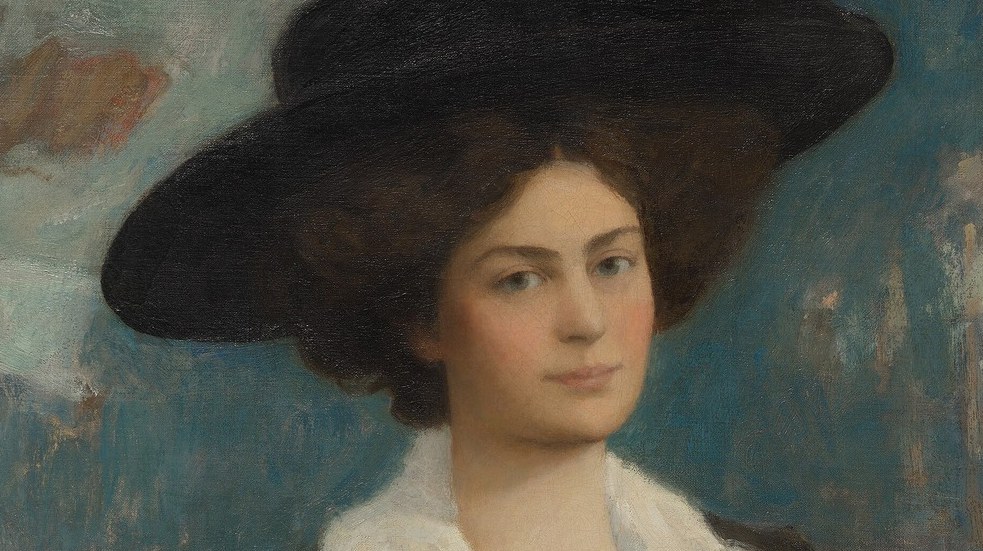
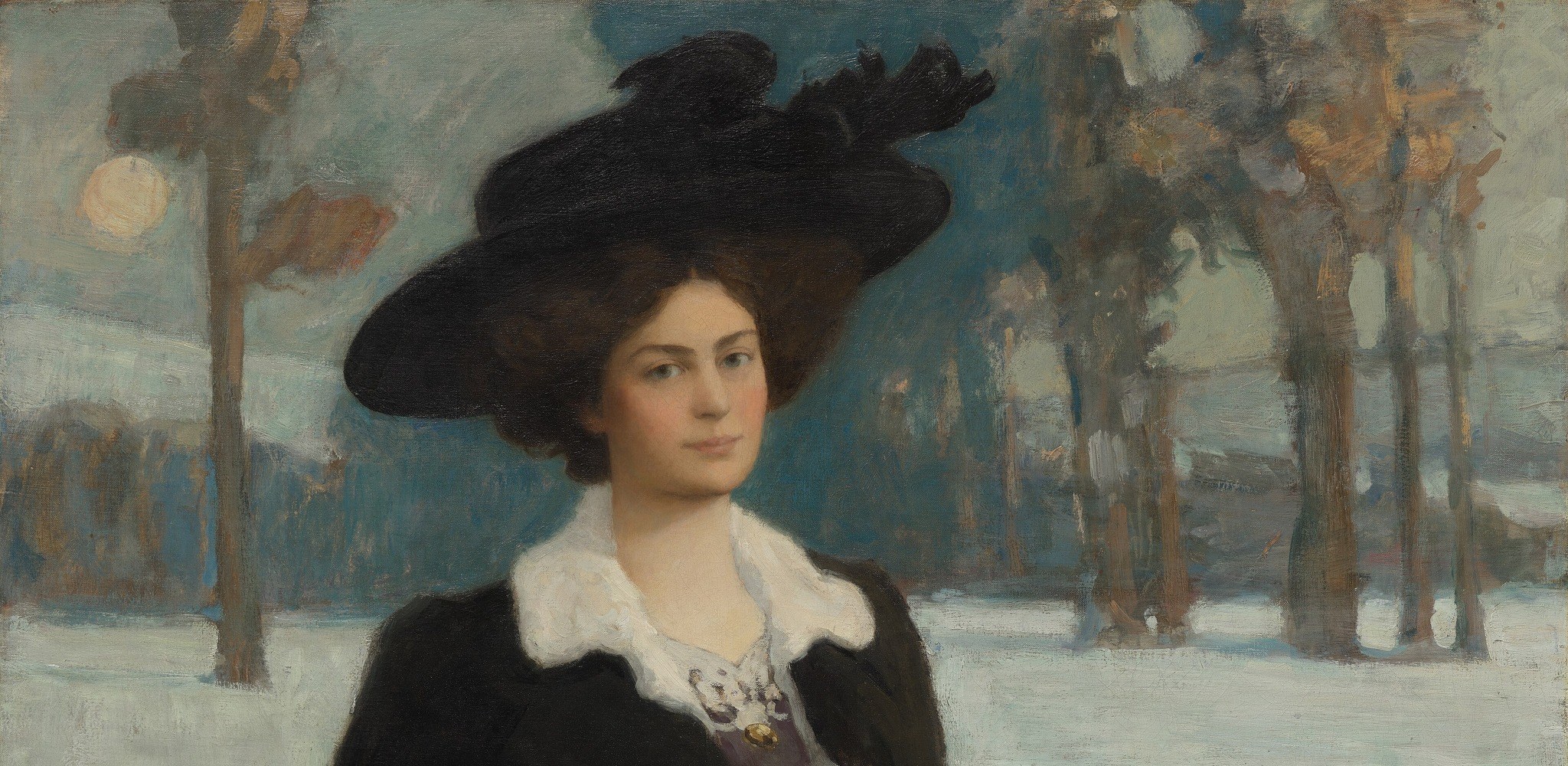
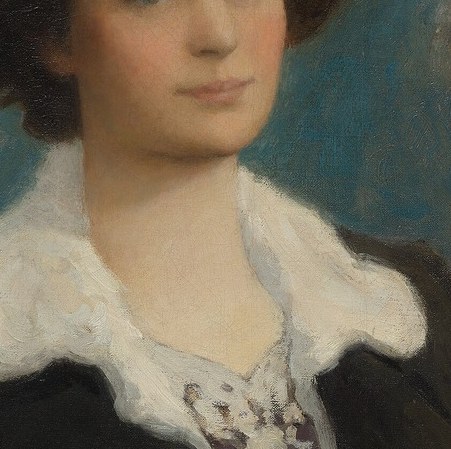
Max Bohm's 1909 painting "Lucy," held at The Cleveland Museum of Art, captures a solitary woman in a stark winter landscape. While her elegant attire and contemplative expression draw the eye, a subtle detail in the sky offers a deeper layer to the scene.
Look closely at the pale, almost featureless sky above the bare trees. You might notice a faint, barely visible moon. This small addition transforms the setting, suggesting a twilight moment or the muted light of a deep winter's day, adding a touch of mystery to an otherwise straightforward portrait.
Bohm, a Cleveland-born artist, often depicted winter genre scenes. "Lucy" showcases his skill in using light and shadow to create a sense of depth and quiet contemplation, emphasizing the figure against the muted backdrop. The painting is a notable example of his work from the early 20th century.
What other small details do you think change the mood of a painting?
Details
Transcript
A woman stands in the stark quiet of a winter day. Her heavy coat and feathered hat suggest elegance, even in the cold. Look closely at the pale, overcast sky above the bare trees. Barely visible, a faint moon adds a touch of mystery. This subtle detail suggests the twilight hour, or a deep winter's day. Painted in 1909, artist Max Bohm captured this quiet moment.