Las Meninas by Diego Velázquez
View the artwork: Las Meninas →
Las Meninas by Diego Velázquez is a painting that looks back. Painted in 1656 and hanging in the Museo del Prado in Madrid, it is the most analyzed painting in Western art for good reason. Every figure in this room, from the princess to the dog, is part of a visual puzzle that has kept scholars debating for over 370 years.
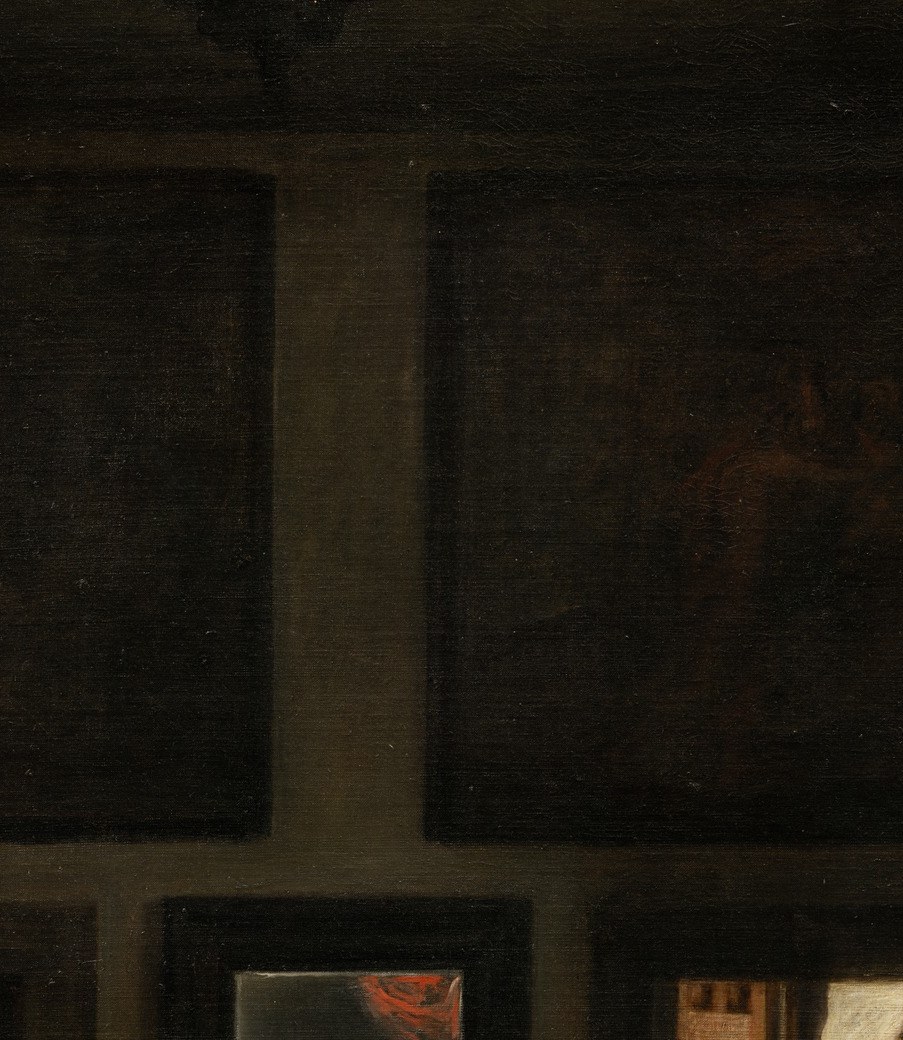
Let your eye go first to the small mirror on the back wall. The hazy reflections of King Philip IV and Queen Mariana place the true subjects of the painting exactly where you, the viewer, are standing. Are they posing for the enormous canvas Velázquez is painting, or does the mirror reflect the very painting we are looking at? The question is deliberately, permanently unanswered.
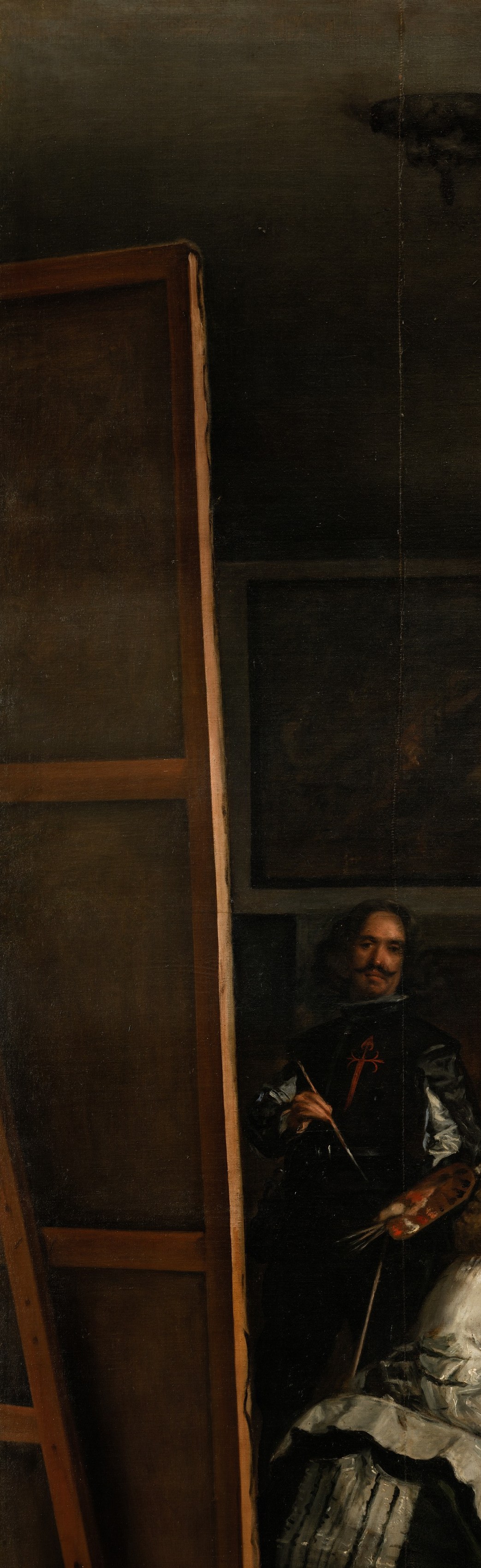
Now look at the painter himself. Velázquez includes his own portrait at work, palette and brush in hand, gazing directly out. On his chest is the red Cross of Santiago, the mark of knighthood. Legend holds that Philip IV painted this cross onto the canvas himself after the artist's death, granting Velázquez posthumously the noble rank he had been denied in life. Whether true or not, the story encodes the painting's central claim: an artist belongs in the room with kings.
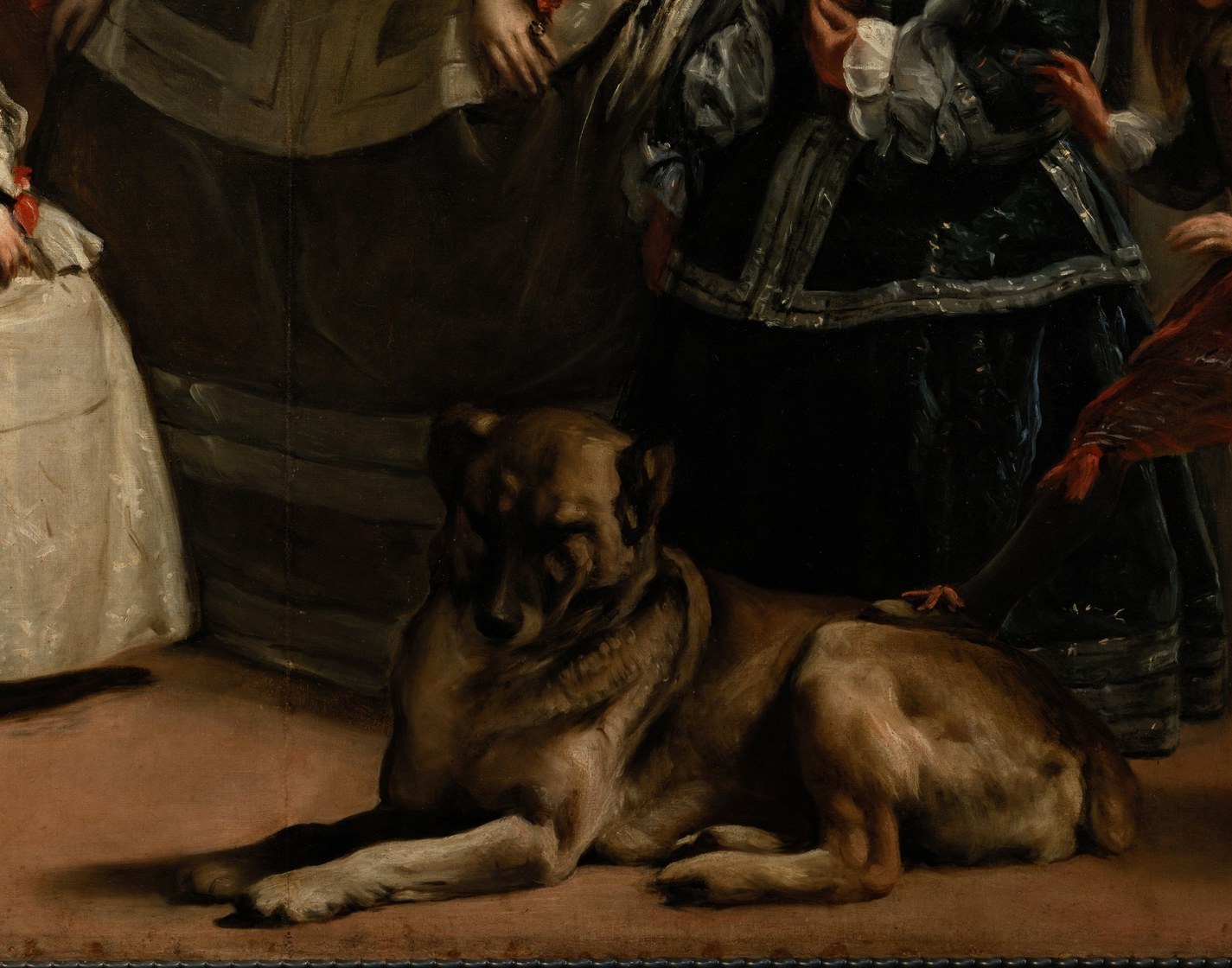
The scene is not a formal royal portrait but a working snapshot of the Alcázar palace studio. Ladies-in-waiting attend a five-year-old princess, a dwarf nudges a sleeping mastiff, a courtier pauses in a backlit doorway. The Spanish Golden Age is caught in a shaft of afternoon light, and every person in it knows they are being watched.
#arthistory #lasmeninas #velazquez
Details

Transcript
Madrid, 1656. The center of the Spanish empire. Everyone in this room is watching someone outside the frame. The light on her dress is real afternoon sun from a palace window. But look in the mirror. The King and Queen are standing where you are. And the painter has put himself in the room with them. A court artist, claiming the same air as royalty.