Artwork
Las Meninas
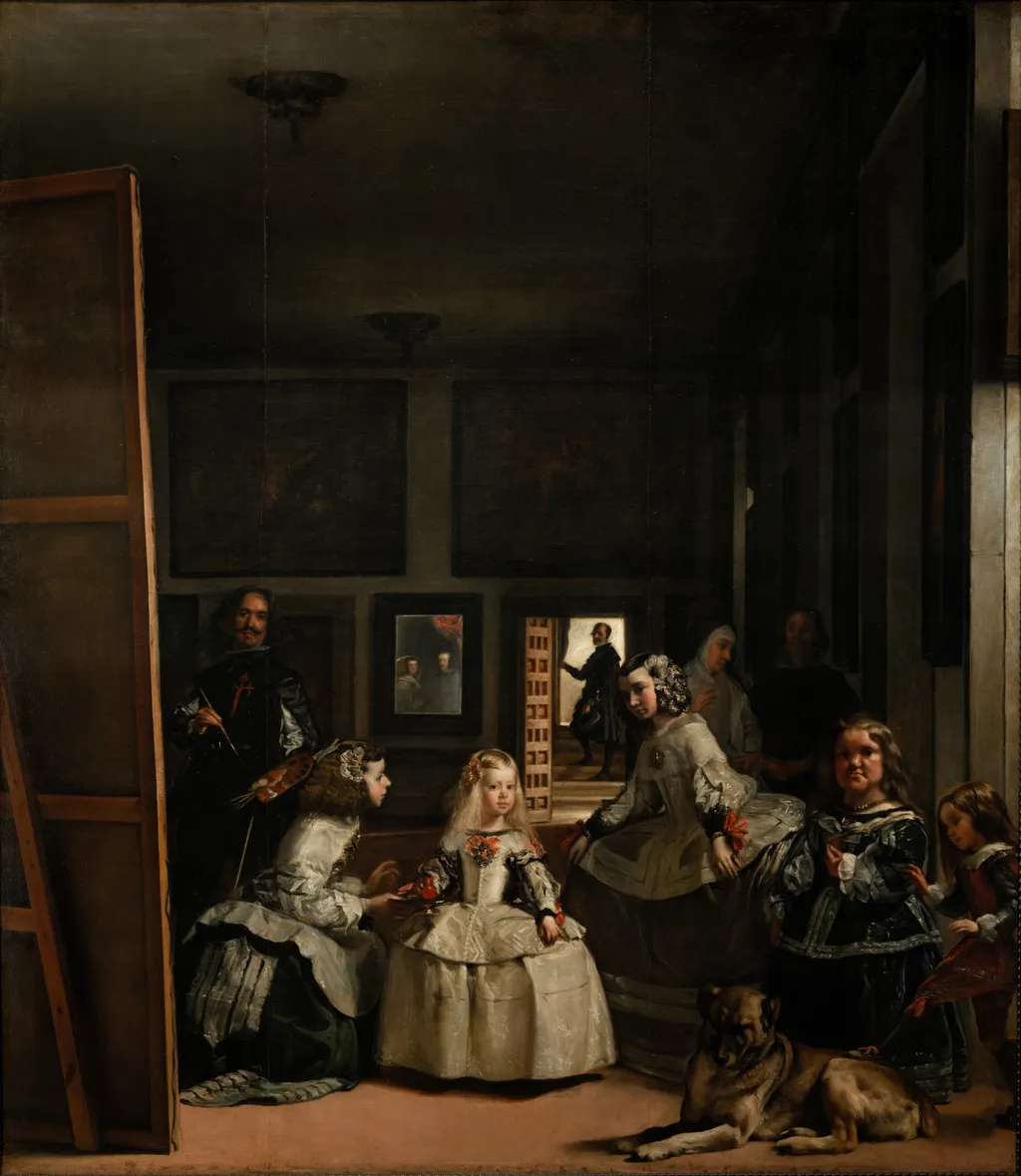
Las Meninas is an oil painting by the Baroque artist Diego Velázquez. It dates from 1656 and is held in the collection of the Museo del Prado.
About this work
Las Meninas, painted by Diego Velazquez in 1656, fills a large canvas with a young princess, her attendants, and a crowded room of onlookers. It is famous for making you wonder who is really looking at whom. Velazquez painted himself standing at his easel within the scene, turning the picture into a puzzle about what is real and what is reflected.
Subject & Meaning
Las Meninas portrays the Infanta Margarita surrounded by her court, including maids of honour, a chaperone, a dwarf, a dog, and a painter, while a mirror reflects King Philip IV and Queen Mariana, suggesting their presence beyond the picture plane. The work functions as a complex meditation on perception, the artist's role, and royal authority, interpreted by scholars as a statement on the 'theology of painting' and the philosophical status of the artist. Its iconography, royal insignia, the mirror, the brush, and the spatial arrangement, symbolizes the intersection of reality and illusion, making the painting a focal point for debates on representation and the social standing of painters.
Technique & Style
While windows are depicted as closed, illumination falls directly on the foreground figures, leaving the background in shadow to enhance spatial depth.
Executed in 1656, this Baroque group portrait is an oil painting on canvas measuring 318 by 276 centimeters. Velázquez employed a sophisticated handling of paint, alternating between loose, visible brushstrokes that coalesce into lively forms at a distance and extremely fine, thin applications for detailed features like hands and faces. The artist achieved a silken luminosity on the subjects' skin through a restricted, related palette of grays and ochers, unified by a silver-toned light that appears to emanate from multiple sources.
While windows are depicted as closed, illumination falls directly on the foreground figures, leaving the background in shadow to enhance spatial depth. The work's condition reflects historical trauma; it was damaged in the 1734 Alcázar fire and subsequently restored by Juan García de Miranda, who repainted the Infanta's left cheek. Infrared examination reveals minor pentimenti, including an original inclination of the artist's head to the right, and the canvas was cut down on both lateral sides.
History & Provenance
Las Meninas was painted in 1656 by Diego Velázquez in his studio, the Pieza Principal of the Royal Alcázar of Madrid, after Philip IV appointed him aposentador mayor del palacio in 1651. The work was recorded in royal inventories from 1666 as La Familia. It suffered damage in the 1734 fire that destroyed the Alcázar and was restored by court painter Juan García de Miranda.
After restoration it remained in the royal collection, appearing in the 1747–48 inventory and being moved to the new Royal Palace in 1764. Ferdinand VII owned the painting before it entered the Prado Museum following its opening in 1819. The title Las Meninas first appeared in a Prado catalogue in 1843.
Context
Las Meninas has occupied a central place in art-historical discourse since its creation, becoming a touchstone for debates on representation, spectatorship, and the elevated status of painting. By the eighteenth century, the Italian Baroque painter Luca Giordano pronounced it the "theology of painting," while in 1827 the English artist and president of the Royal Academy Sir Thomas Lawrence called it "the true philosophy of the art." Twentieth-century theorists such as Michel Foucault, Svetlana Alpers, Leo Steinberg, and Joel Snyder furthered these readings, using the work to interrogate classical models of representation, the autonomy of painting as a liberal art, and the unstable relations between viewer, mirror, and depicted space.
Velázquez's elevated court position, appointed palace chamberlain in 1651, reflects the exceptional social ascent of the artist within the rigid hierarchies of seventeenth-century Spain, where painting was conventionally regarded as a craft rather than a liberal art. His dual role as court painter and curator of Philip IV's art collection granted him unusual autonomy, enabling him to shape the royal collection that would later form the core of the Museo del Prado.
Legacy
Las Meninas has been hailed as a foundational work in Western art history, its layered composition inspiring sustained scholarly and artistic engagement. Baroque painter Luca Giordano termed it the "theology of painting," while Sir Thomas Lawrence, president of the Royal Academy of Arts, called it the "true philosophy of the art" in 1827. Modern theorists have continued to interrogate its visual logic: Michel Foucault opened The Order of Things (1966) with an analysis of its representation of classical order, Svetlana Alpers interpreted it as Velázquez's argument for painting's status as a liberal art, and Leo Steinberg and Joel Snyder later advanced competing readings of its spatial organization and the mirror's function.
The painting's reputation has only grown since its display at the Museo del Prado, established in 1819, which secured its status as a touchstone for debates on representation, spectatorship, and the social authority of the artist.
Overview
Las Meninas, an oil painting completed in 1656 by Diego Velázquez, is a prominent work housed in the Museo del Prado in Madrid. Velázquez served as the principal artist for King Philip IV of Spain and Portugal during the flourishing period known as the Spanish Golden Age. This substantial canvas is widely recognized for its intricate composition and the profound questions it raises about perception and representation, making it a frequent subject of art-historical analysis.
Own this work as a print
Artist & collection
Artist
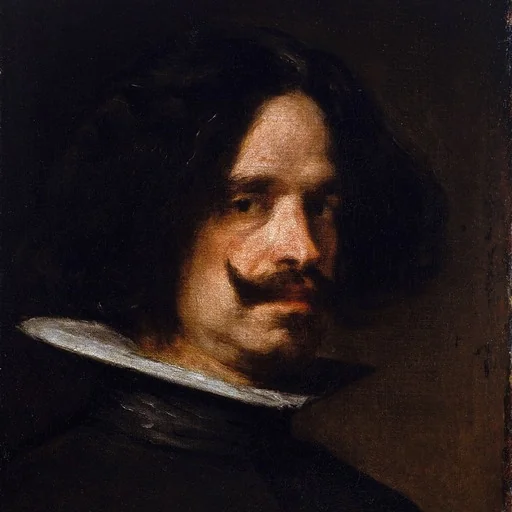
Diego Rodríguez de Silva y Velázquez was a Spanish Baroque painter, the leading artist in the court of King Philip IV of Spain and Portugal, and of the Spanish Golden Age.

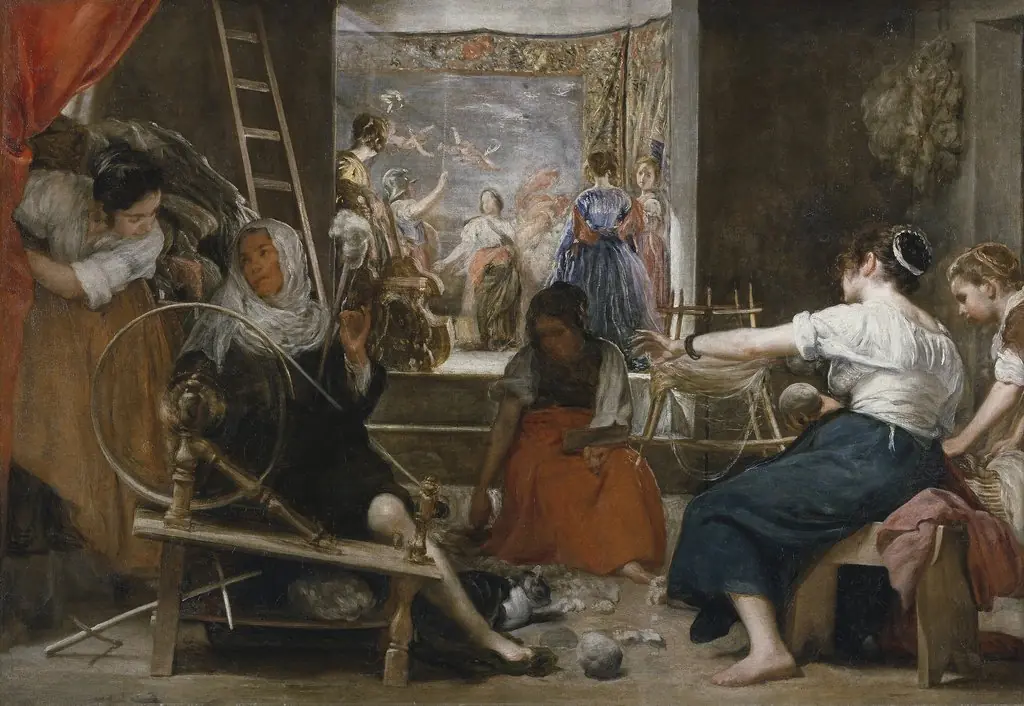
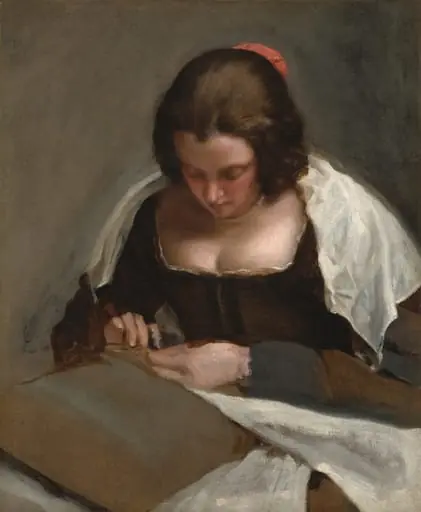
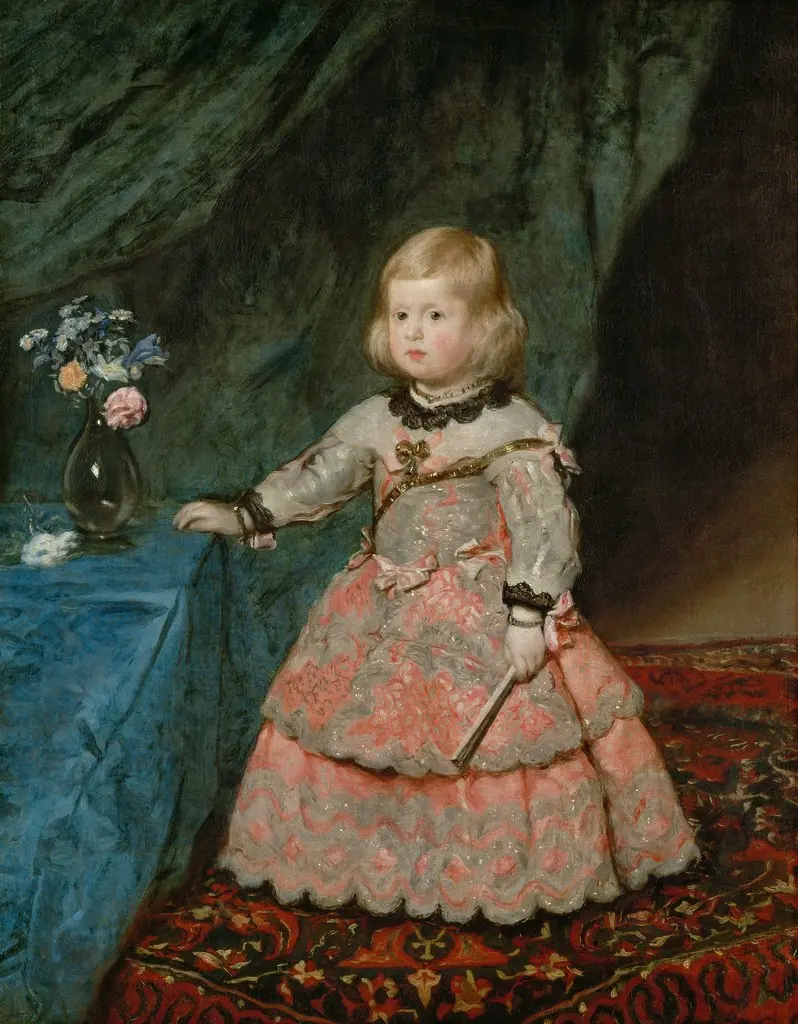
- The Artist's Family
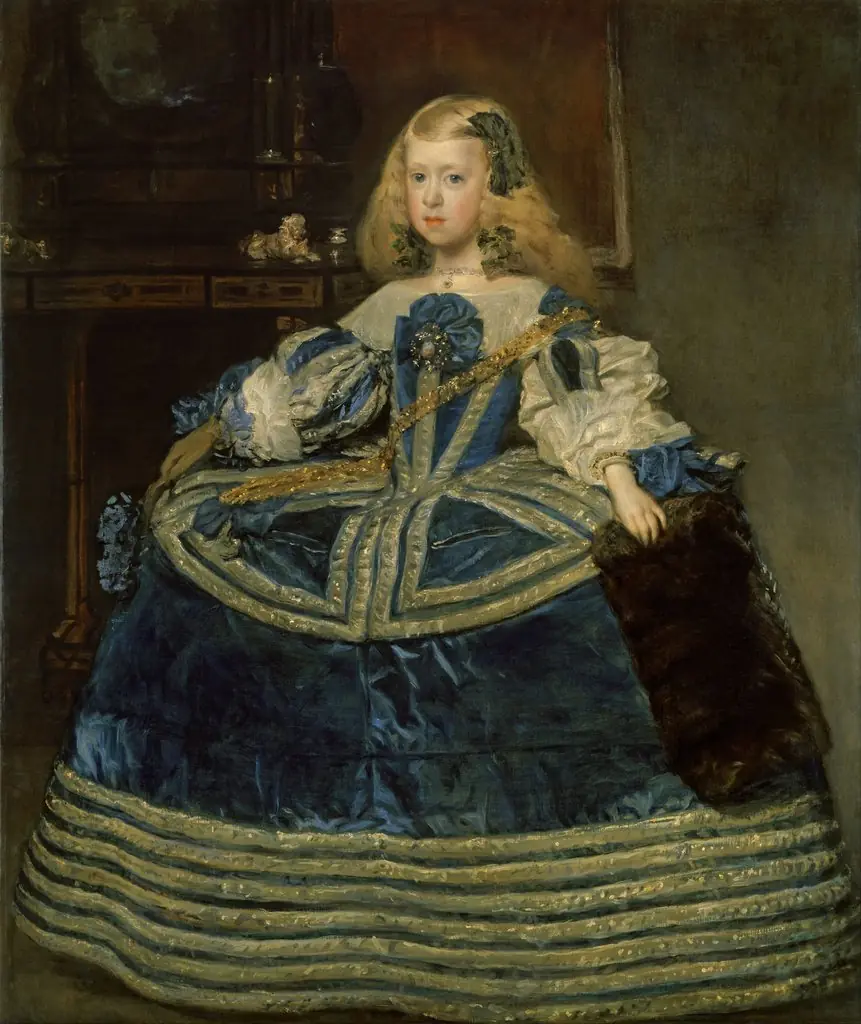 Infanta Margarita Teresa in a Blue Dress
 Portrait of a Family Playing Music
 A Musical Company
 Portrait of a family making music
 A Nurse and a Child in an Elegant Foyer
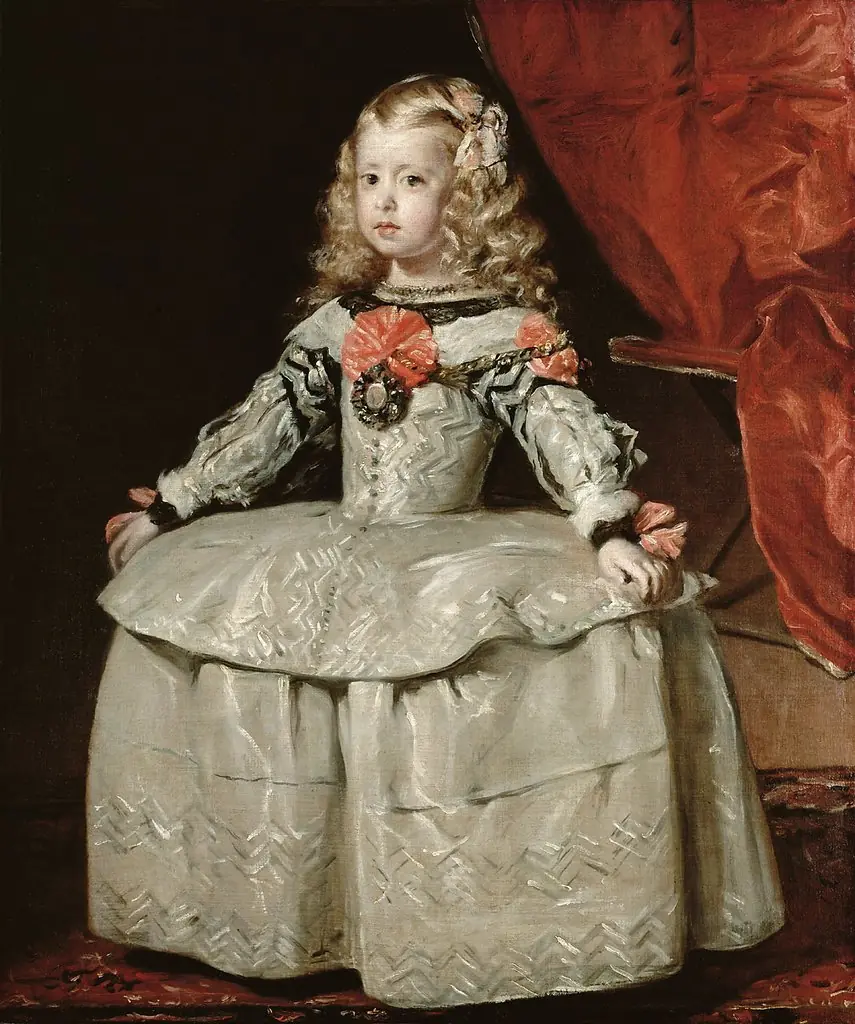 Infanta Margaret Theresa in a White and Silver Dress
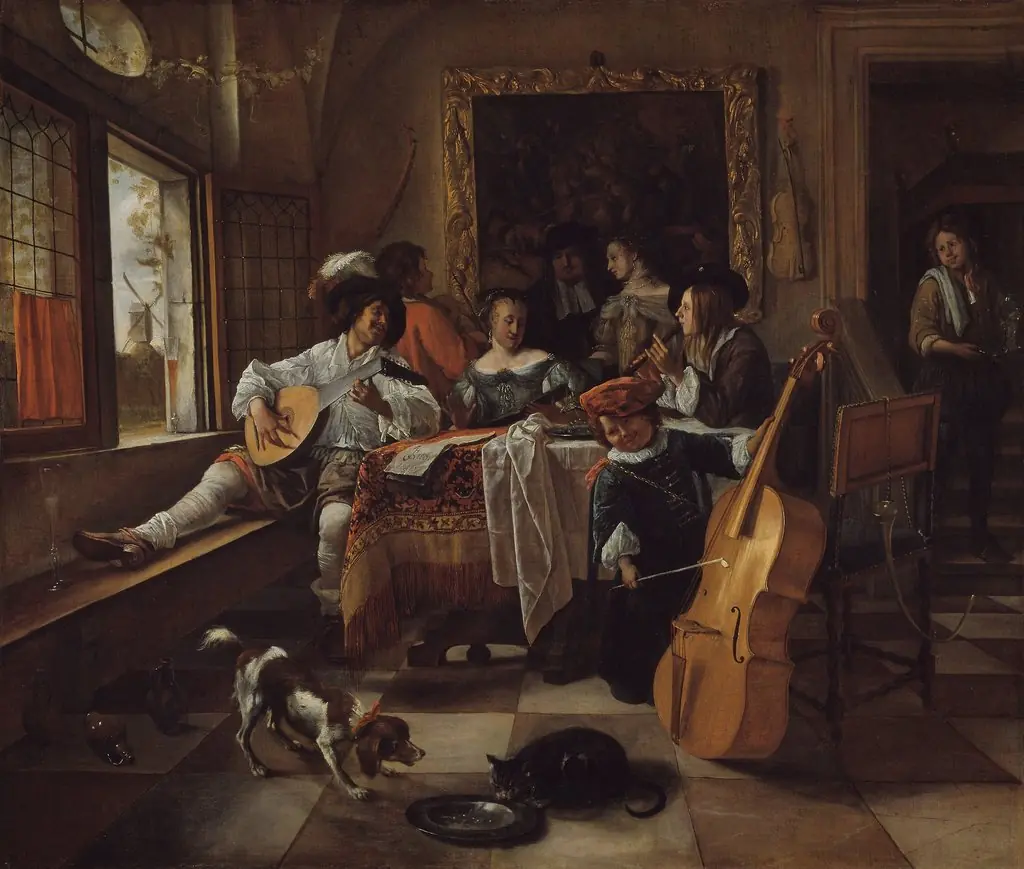 The Family Concert
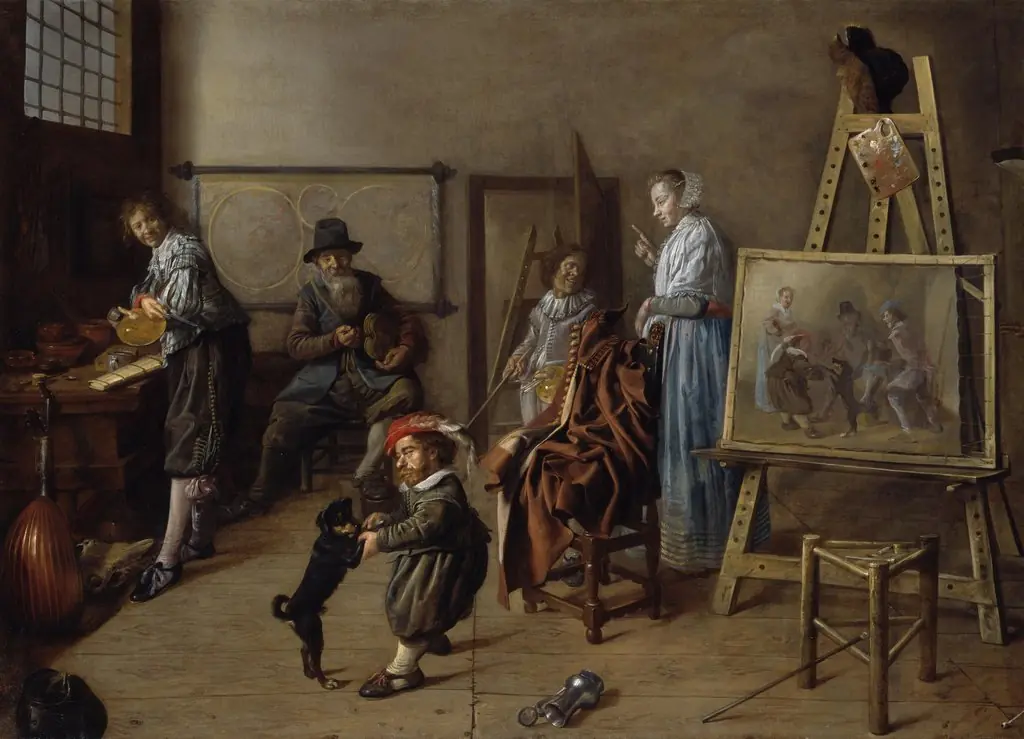 The Artist's Studio
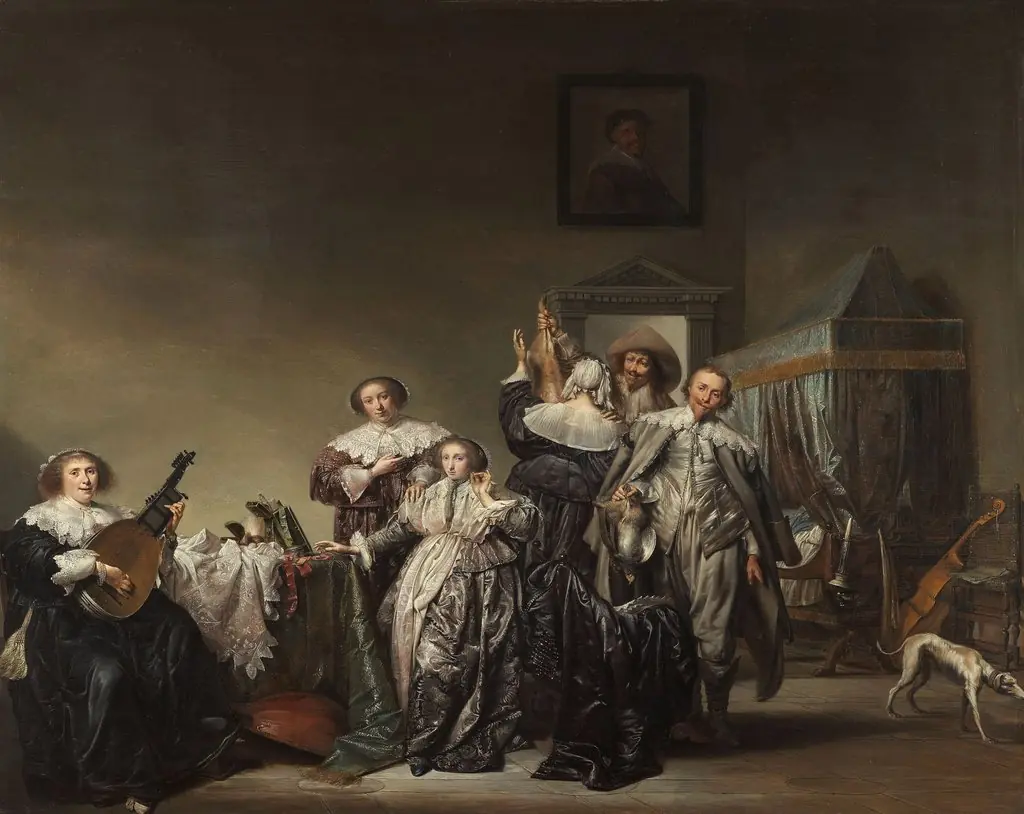 Gallant Company
 De liefdesbrief