The Return of the Prodigal Son by Rembrandt
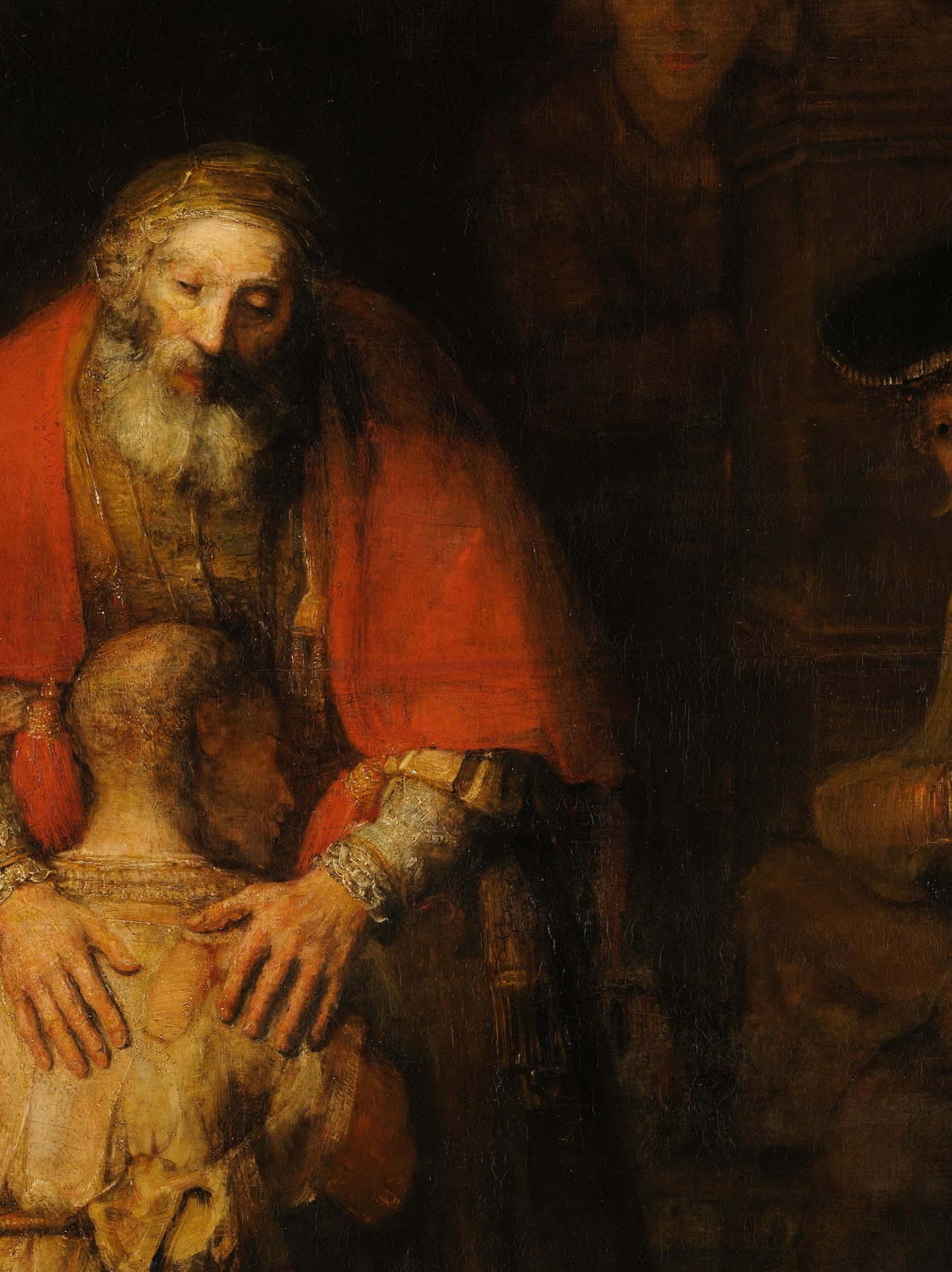
Rembrandt's 'The Return of the Prodigal Son' (c. 1668, Hermitage Museum) is not just a biblical scene. It is the work of a man who had lost nearly everything. By the time he painted this, Rembrandt was bankrupt, widowed, and had buried three of his four children. The artist who once lived in opulence was now painting divine forgiveness from a place of profound personal ruin.
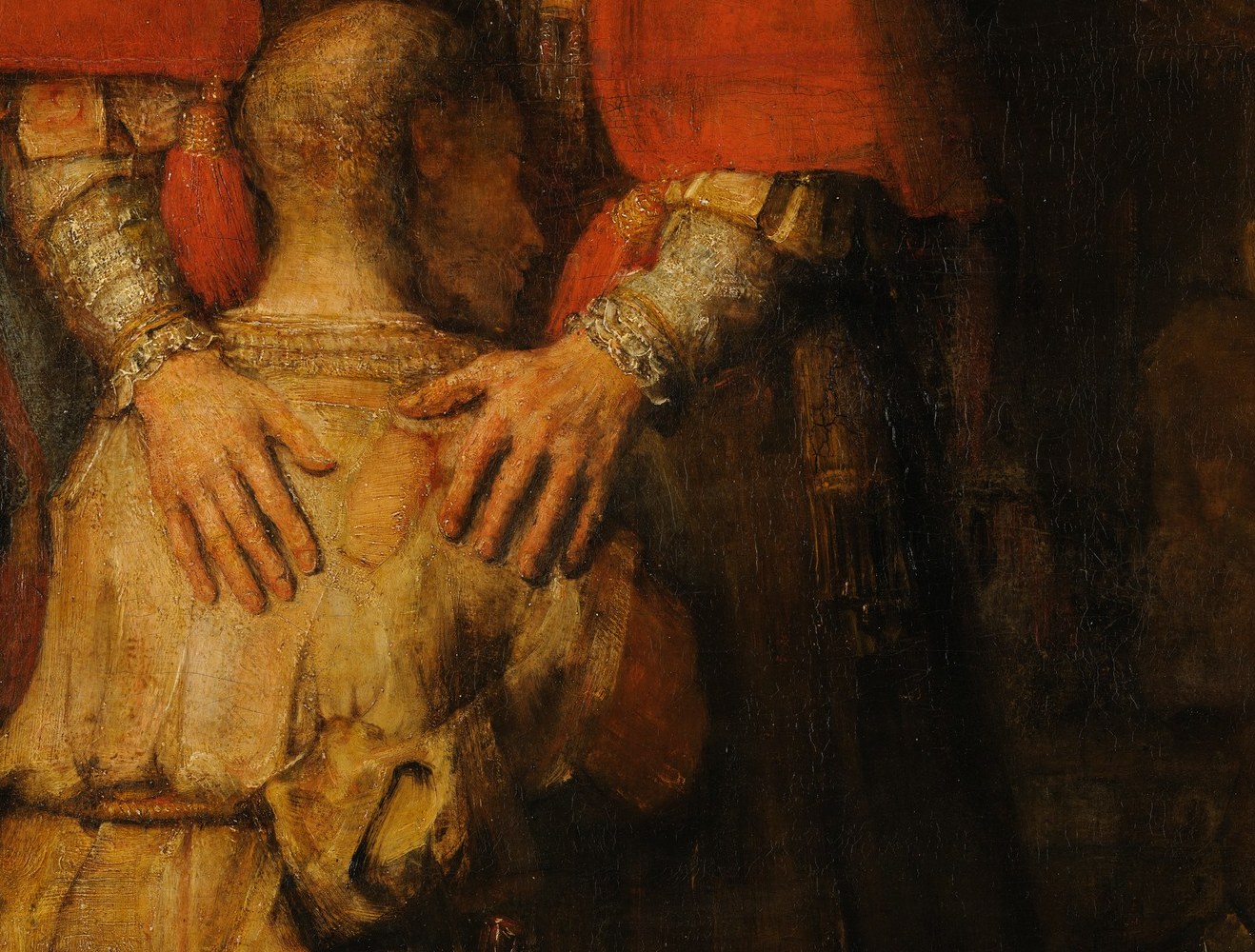
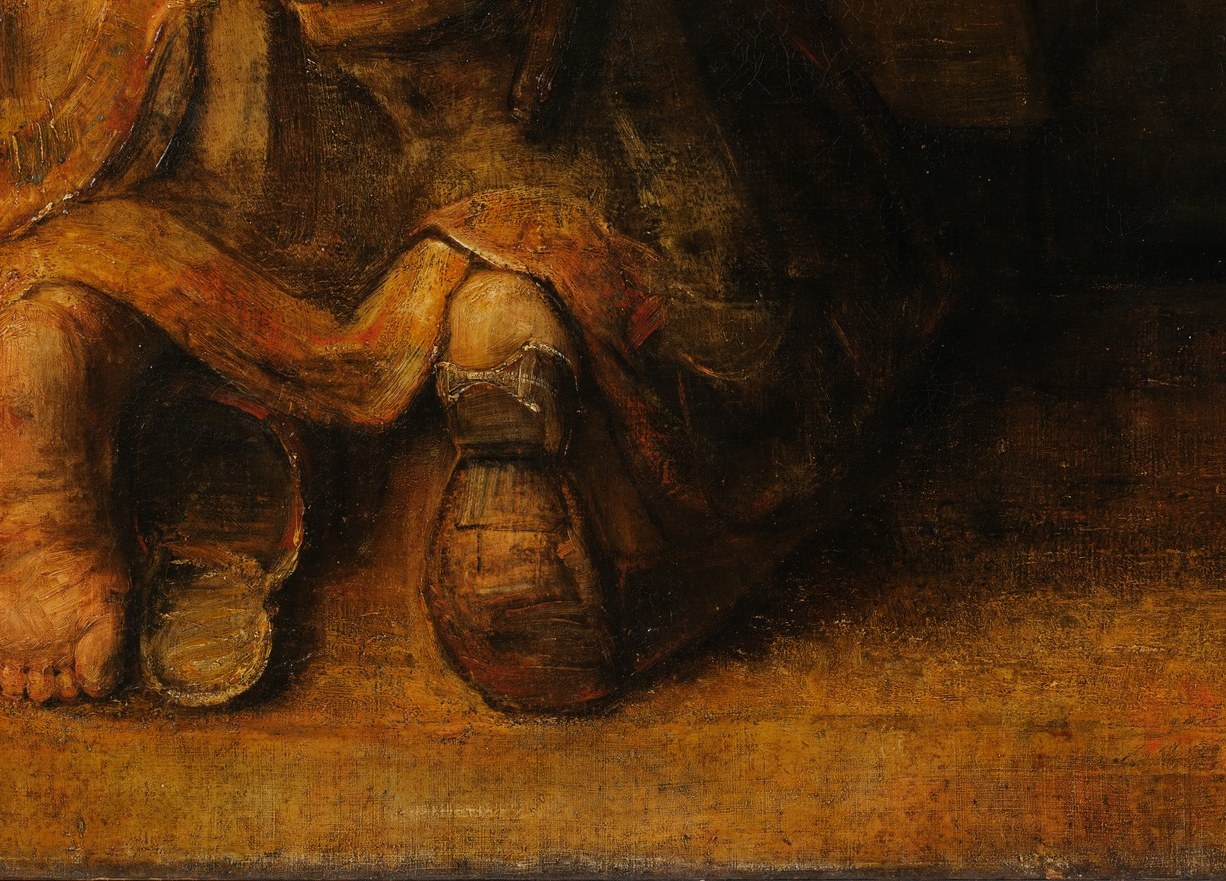
Watch the father's hands. This is Rembrandt's most discussed detail and for good reason. The left hand is broad and firm, a father's grip on the shoulder. The right hand is narrow, softer, and cupped with a mother's tenderness. A single figure is holding both parents' love simultaneously. Just below those hands, find the son's nearly bare foot and broken sandal. The parable's long road home is all there in the worn leather.
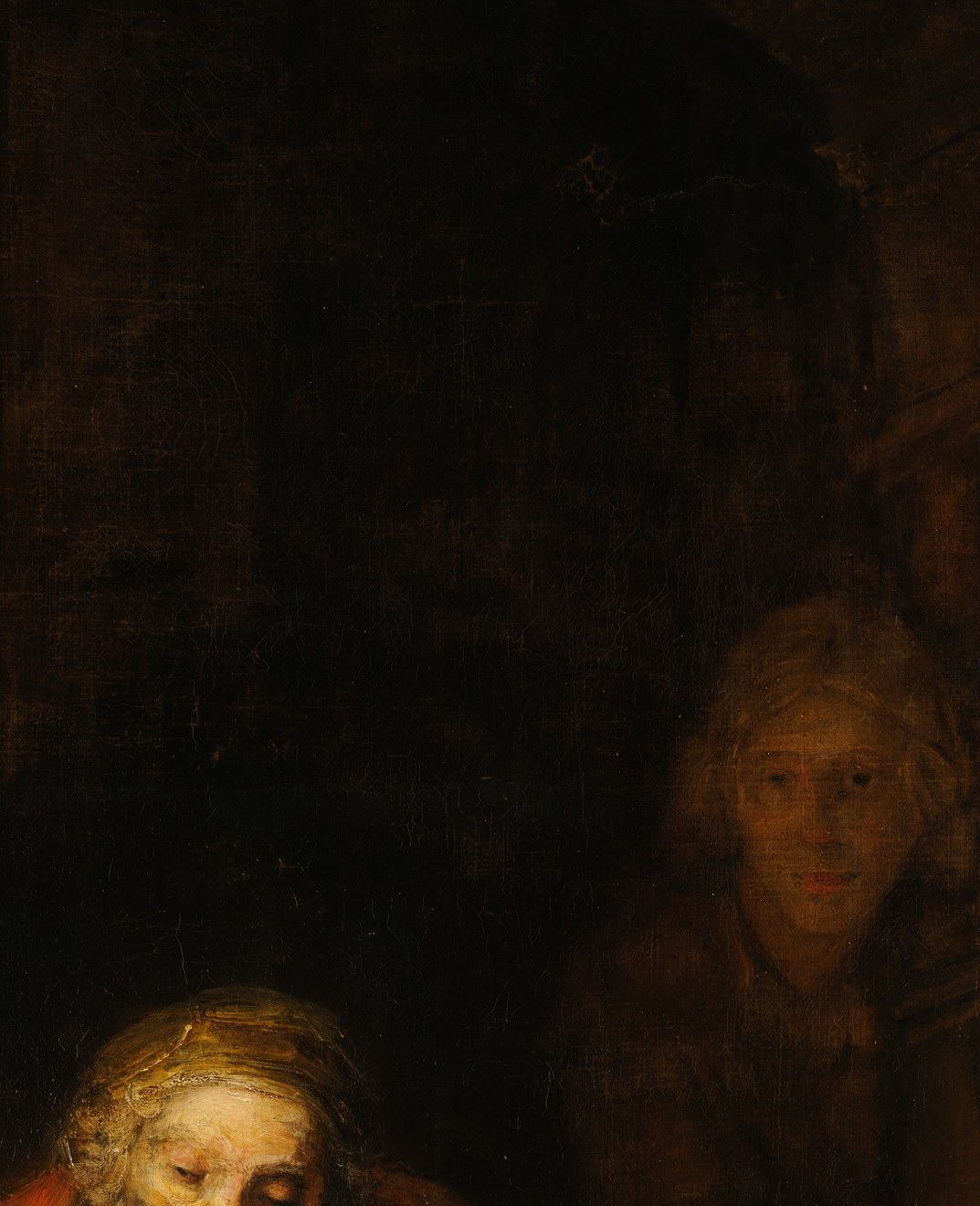
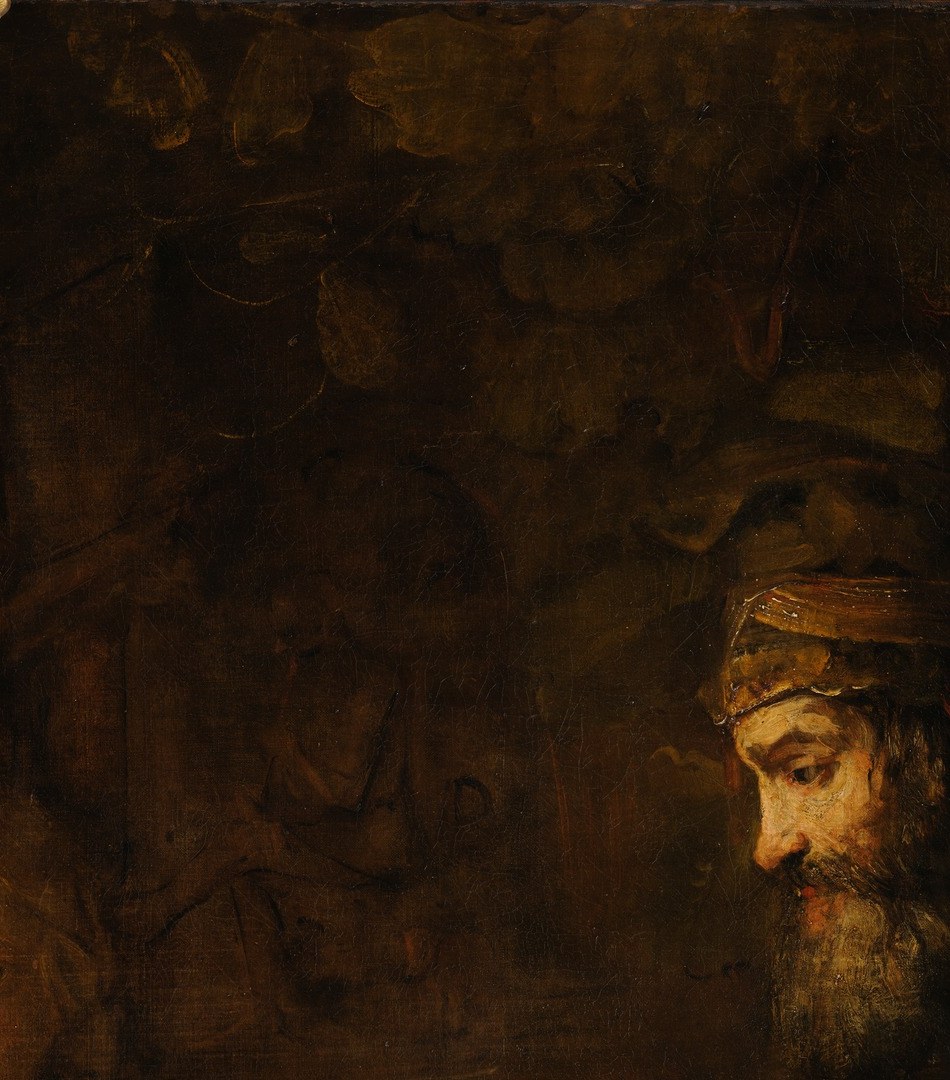
Rembrandt had been wrestling with this parable for decades, but this final version strips everything away. The older brother stands rigid at the right, his expression left deliberately ambiguous by the painter. Is it sympathy or resentment? The figure in the shadow behind him, barely resolved, might be the mother. Rembrandt stations witnesses in the darkness around the embrace, as if the viewer is being observed as much as observing.
The concentrated golden light isolating father and son is late Rembrandt at his most powerful: the surrounding darkness is so complete that forgiveness feels like the only illuminated thing in the world.
Details
Transcript
Rembrandt painted this near the end of his life. Bankrupt. Widowed. He had buried three children. Look at the father's hands on his son's back. The left is broad and masculine. The right is narrow and gentle. He is holding him with both a father's and a mother's love. Now look at the son's worn sandal and bare foot. The parable's distance is measured in ruined leather. And the older brother watches from the shadows.