Soap Bubbles by Jean-Baptiste-Siméon Chardin
View the artwork: Soap Bubbles →
Jean-Baptiste-Siméon Chardin painted 'Soap Bubbles' around 1733, and it hangs in the National Gallery of Art in Washington, D.C. It is one of the quietest masterpieces of the 18th century, a painting that turns a fleeting moment of childhood into a profound meditation on time.
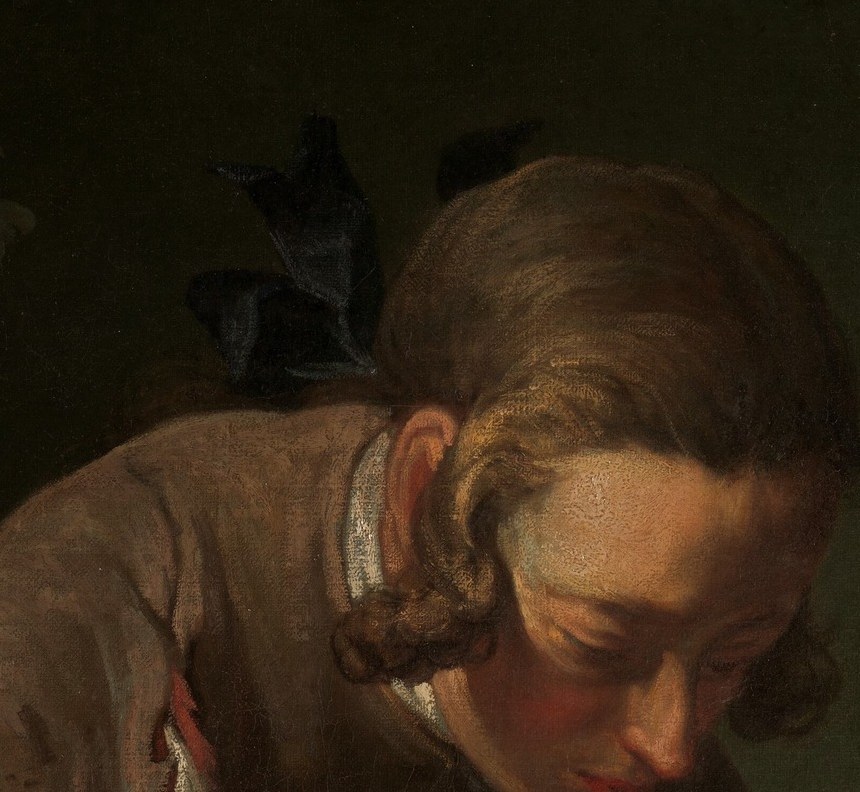
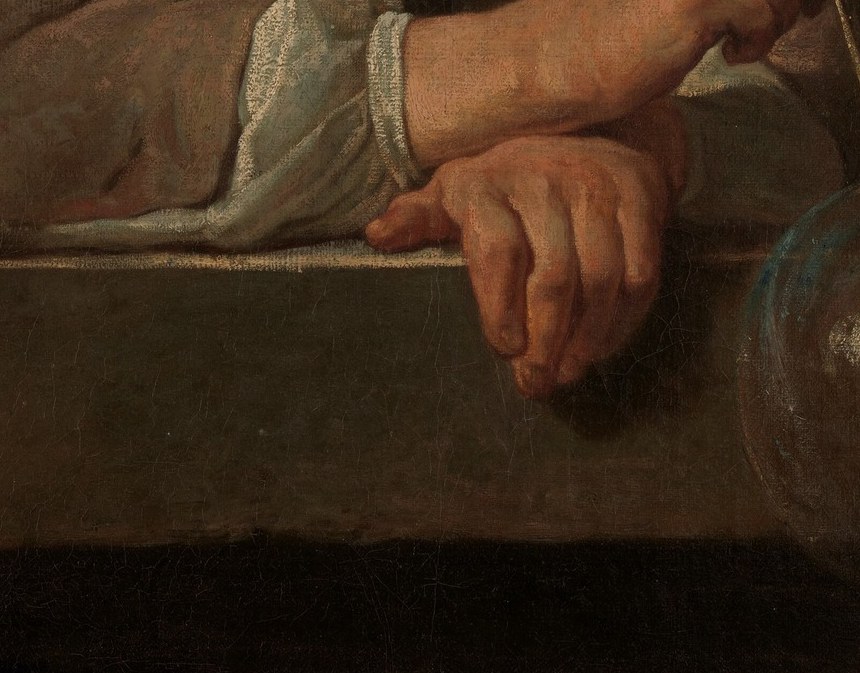
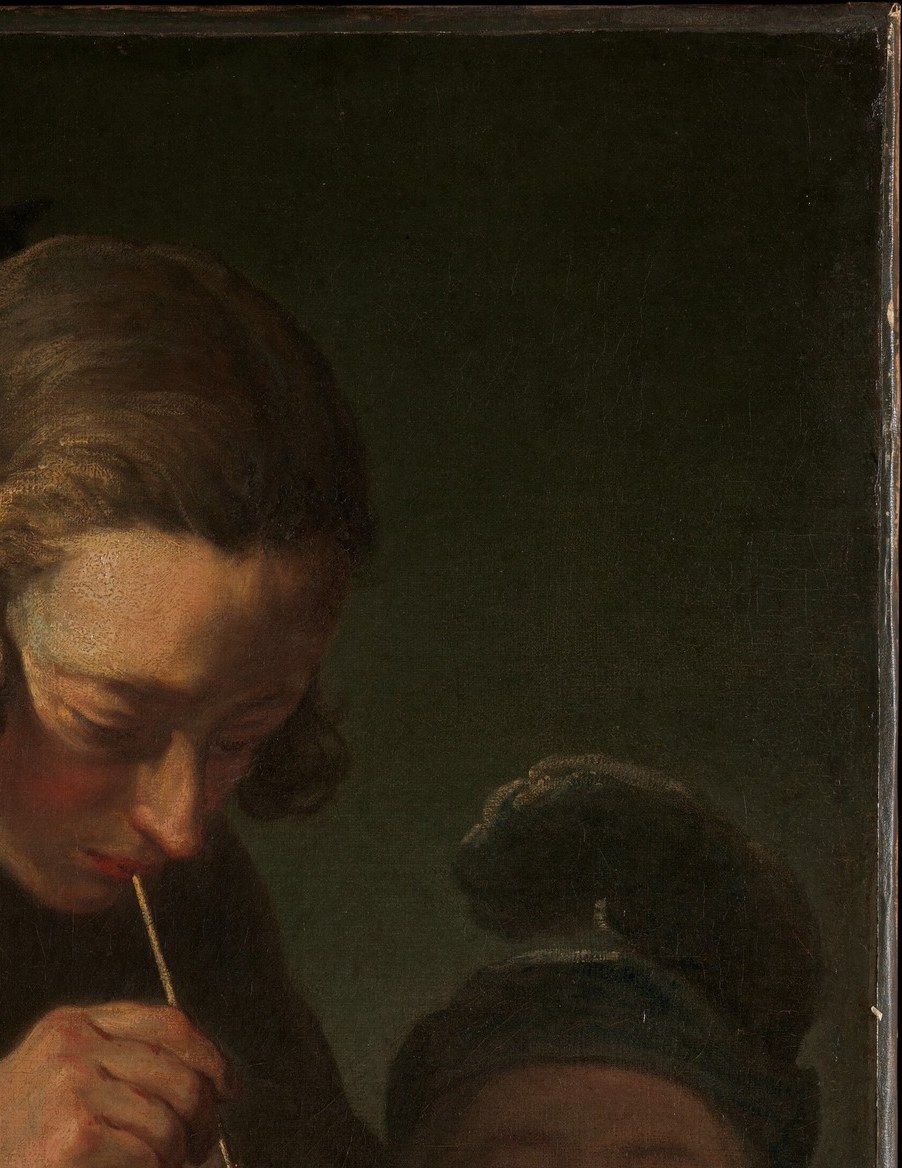
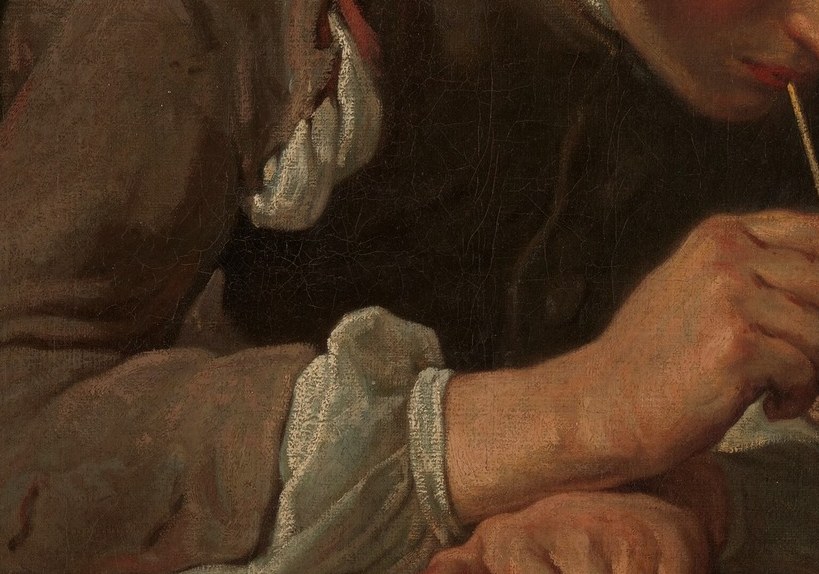
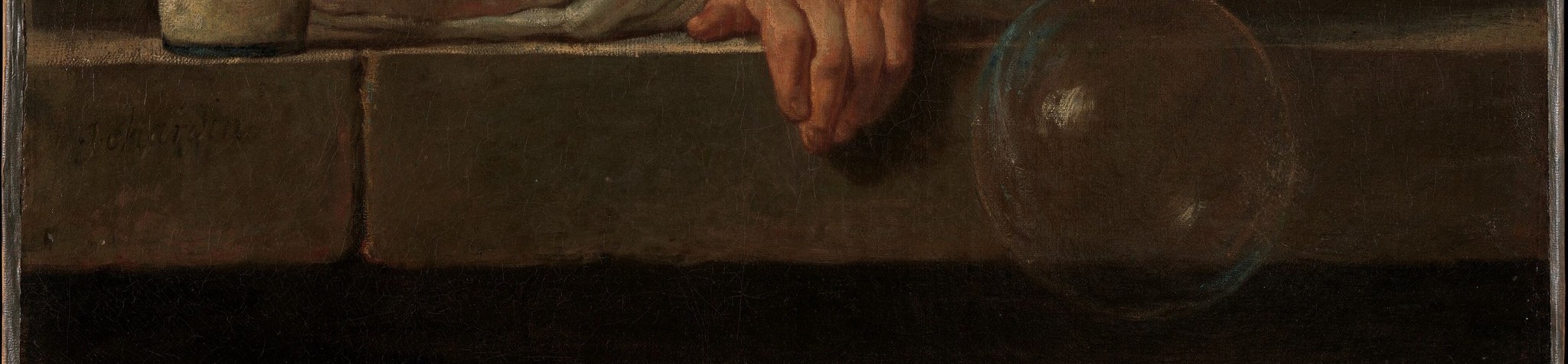
Look at the boy's downturned face and the careful grip on the straw. Every detail, from the soapy water in the stone bowl to the iridescent film of the bubble itself, is rendered with a soft, granular touch. Then look harder in the lower-right corner: a second child's face peeks over the ledge, watching. What felt like a solitary reverie becomes a shared, silent marvel.
This was the French Rococo period, an era of aristocratic frills and playful pastorals, yet Chardin refused all of that. His subjects were kitchen maids and shop boys, painted with a dignity and stillness that scandalized no one but moved everyone. 'Soap Bubbles' belongs to the vanitas tradition, where soap bubbles symbolized life's fragility. But Chardin strips away the allegorical props, letting a real child on a real windowsill carry the whole weight of that ancient truth.
The bubble will pop in a second. The painting has already lasted nearly three centuries. It asks, without a hint of melodrama, what we might give our best breath to while we have it.
#arthistory #chardin #frenchpainting
Details
Transcript
A boy leans in, completely absorbed. His hands hold a straw with careful tension. The bubble is a life's work: fragile, iridescent, about to burst. Look behind the ledge. A second child, watching in silence. Chardin painted this in 1733, a time obsessed with the brevity of life. He called the painting 'Soap Bubbles', a vanitas for a new century.