Portrait of a Man by Louis-Léopold Boilly
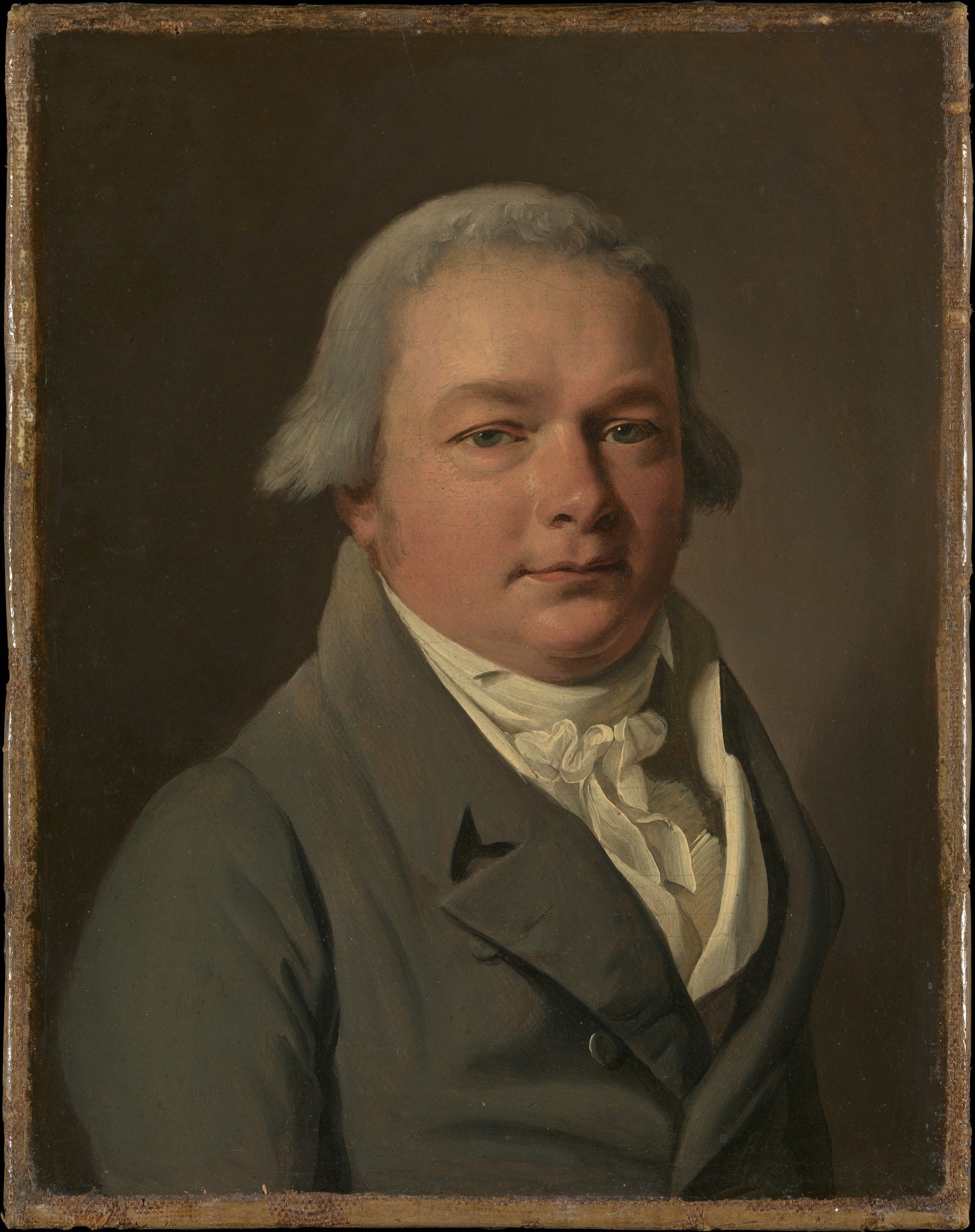
Louis-Léopold Boilly’s "Portrait of a Man" from 1813, held at The Metropolitan Museum of Art, is more than a simple likeness; it's an intimate study of human presence during a turbulent era.
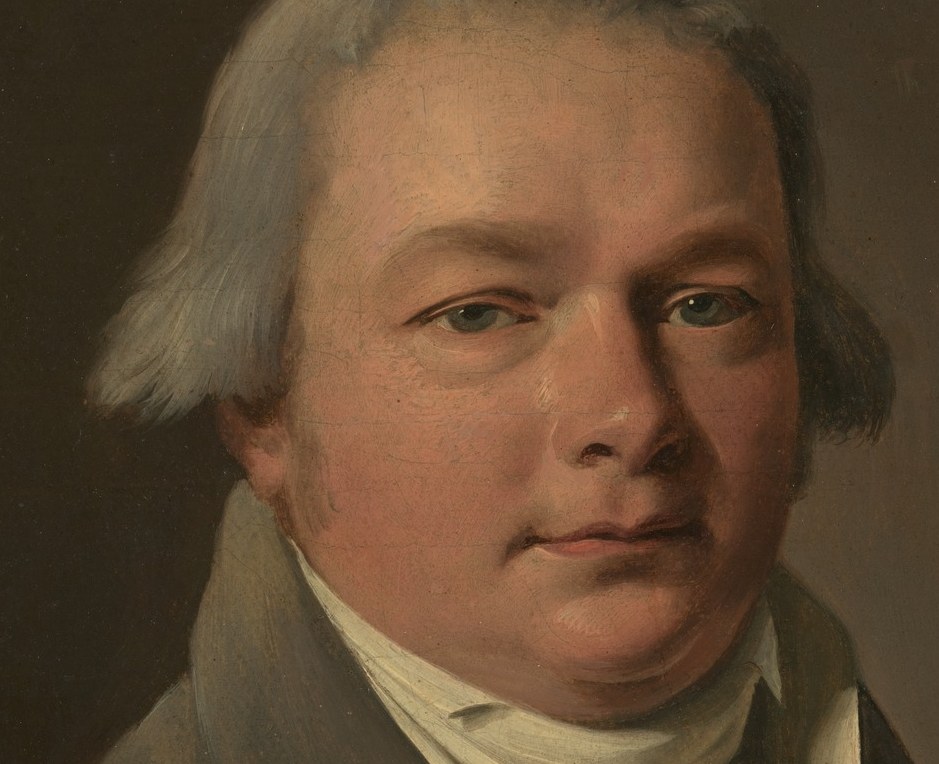
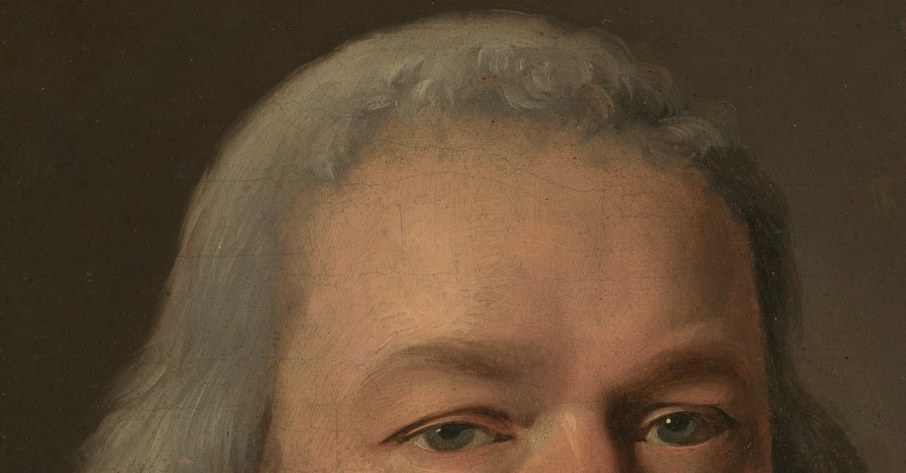
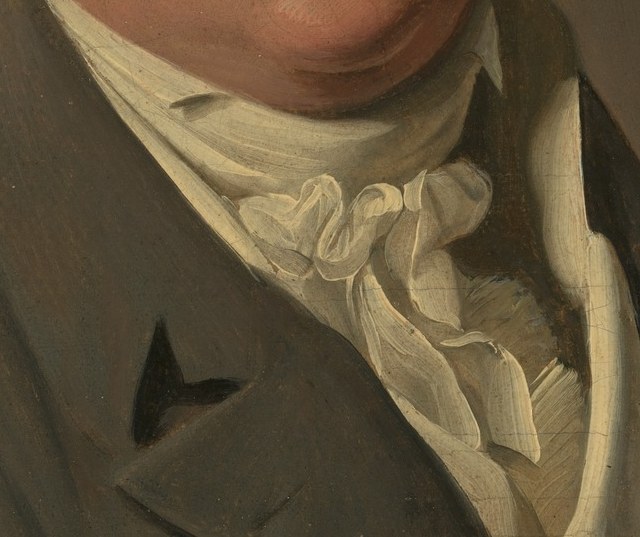
Boilly, a master of capturing the middle-class social life, renders his sitter with a direct gaze and a subtle sparkle in his eyes. The soft brushwork and careful modeling of light and shadow bring a sense of quiet strength and inner life to the man.
Painted during a period of immense change in France, following revolution and war, this portrait stands out for its humanistic approach. Boilly chose to focus on the individual, isolating him against a stark background to emphasize his unique expression and composed demeanor.
It makes you wonder, what stories did this man carry in his heart?
Details
Transcript
This man has a story, if you know where to look. In 1813, France was still reeling from war and revolution. Yet, this painter captures a quiet strength in his sitter. He was Louis-Léopold Boilly, known for capturing real life. Notice the subtle sparkle in his eyes, a sign of engagement. This portrait is an intimate window into a human soul.