View of a Villa, Pizzofalcone, Naples by Turpin de Crissé, Lancelot-Théodore
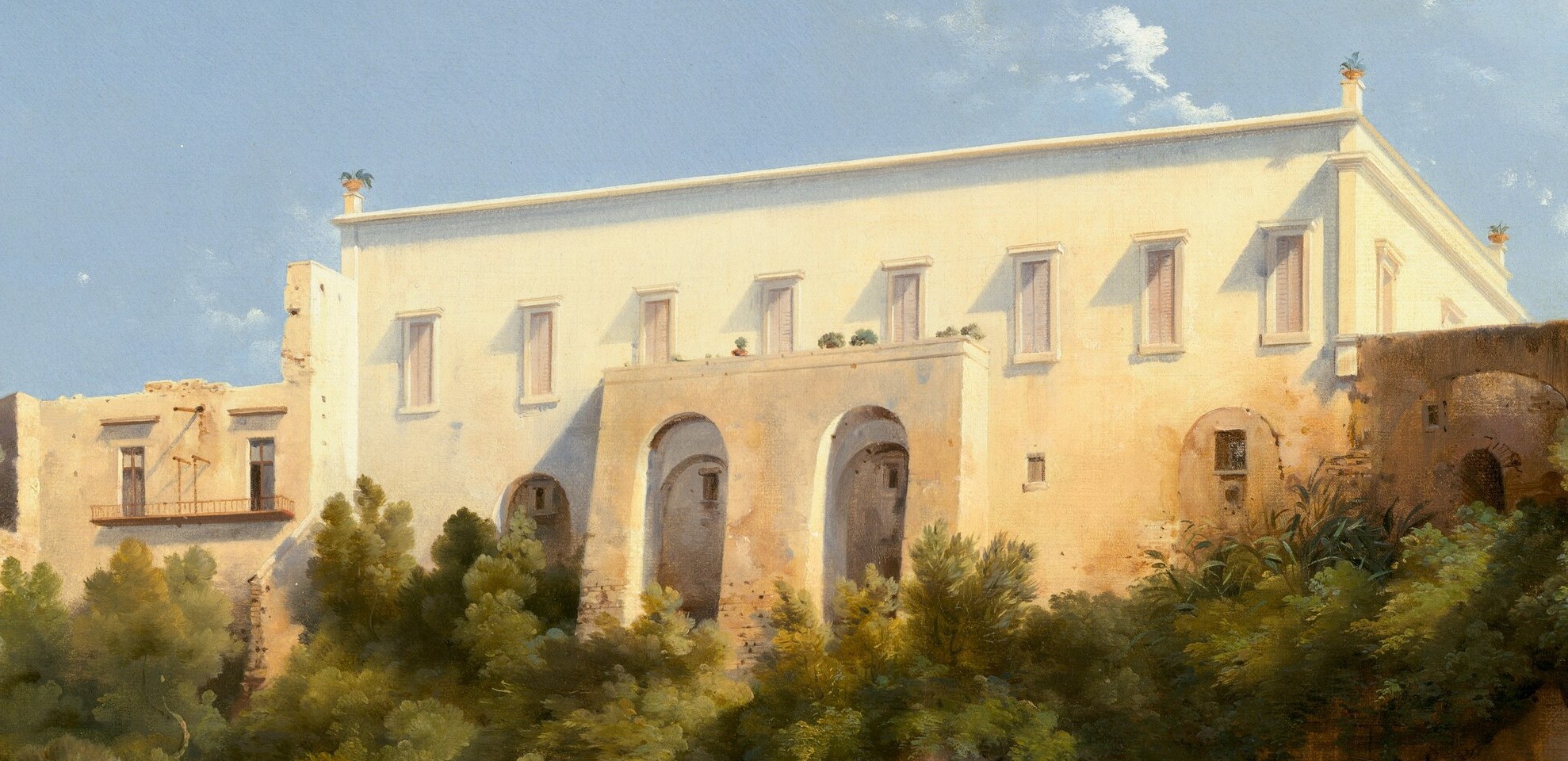
Lancelot-Théodore Turpin de Crissé painted this view of a Neapolitan villa around 1819, and then it promptly disappeared from the public record for more than a hundred years.
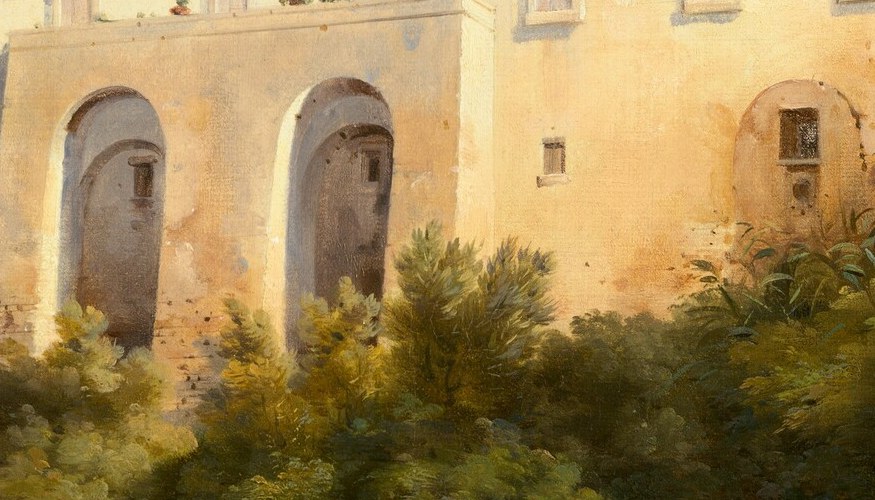
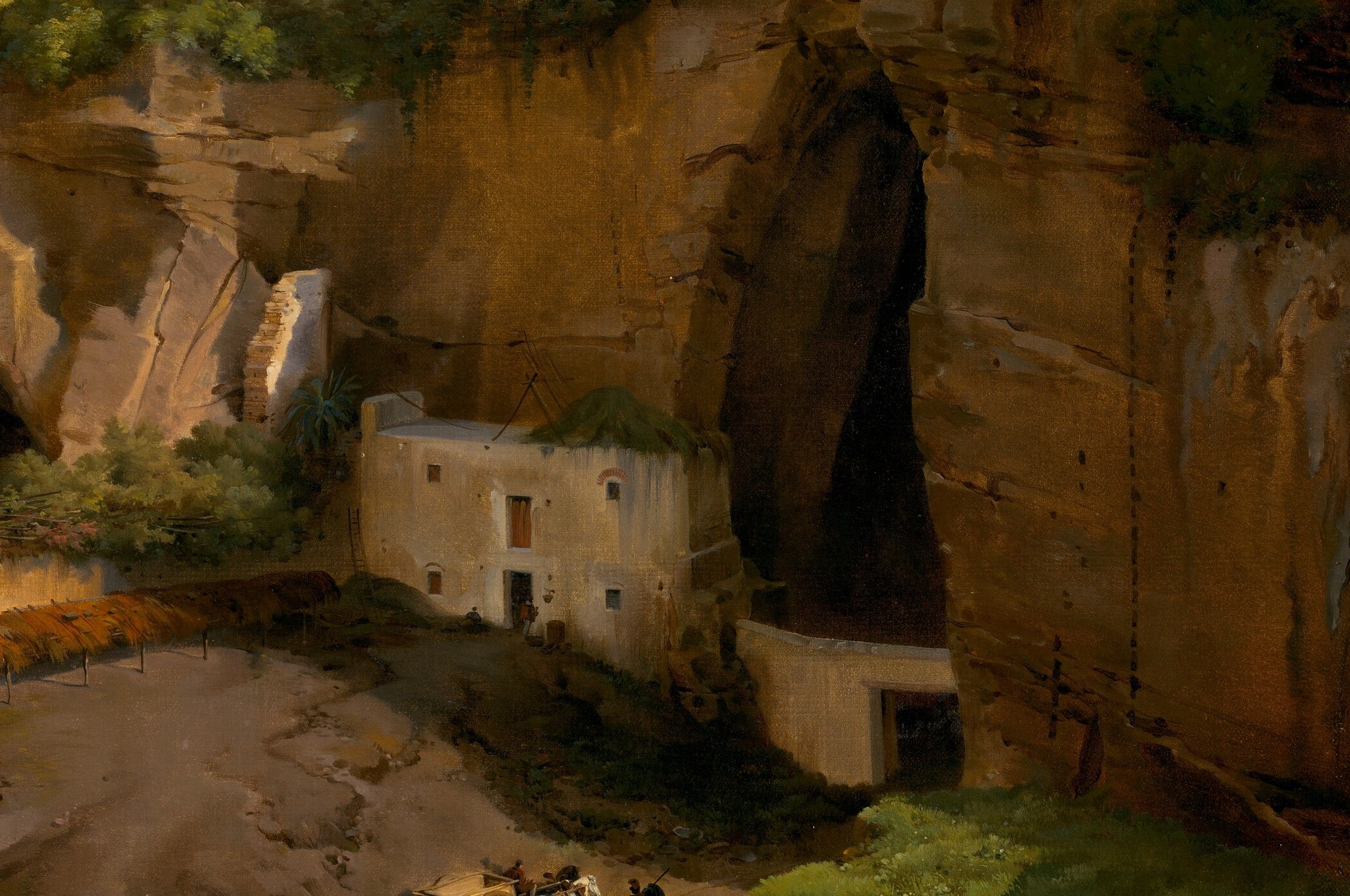
The painting opens with a white villa perched on the cliff at Pizzofalcone, soaking in Mediterranean sun. The eye follows a winding dirt path downhill past rocky outcrops, a small dwelling, and a cart carrying two figures, all details that make the scene feel lived-in rather than posed.
Turpin de Crissé was a French count and a committed Italophile, part of the wave of early-19th-century artists who crossed the Alps looking for classical ruins and golden light. He showed the canvas in 1819, but no exhibition catalogue, private sale, or inheritance ledger mentions it again until a 20th-century museum acquisition. The institution has never disclosed the purchase price.
A painting that has never been fought over at auction is a quiet anomaly. It raises a simple question: what else is hanging on museum walls that simply never came up for sale?
Details

Transcript
It looks like a postcard from a Grand Tour. A white villa commands the cliff. Wealth in the sun. A cart and two figures work the road below. The painter was a French count traveling Italy. He showed this canvas in 1819. Then the trail goes cold. No auction. No lawsuit. It simply sat unseen for over a century. The museum acquired it in the 1900s. The price was never published.