Virgin and Child with a Rosary by Bartolomé Esteban Murillo
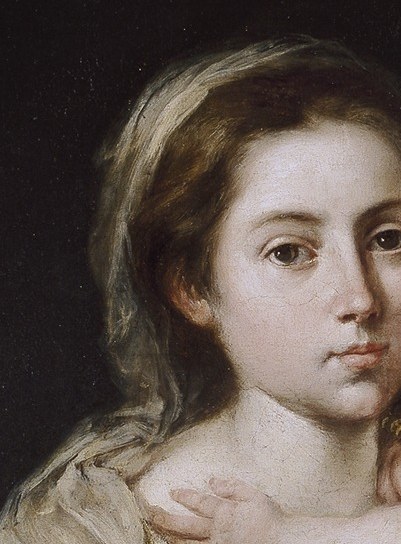
Bartolomé Esteban Murillo's "Virgin and Child with a Rosary" (c. 1650-1655) is a masterpiece of Baroque devotion, housed in the Museo del Prado. The painting invites viewers into a quiet moment of prayer, using subtle symbolism to convey its message.
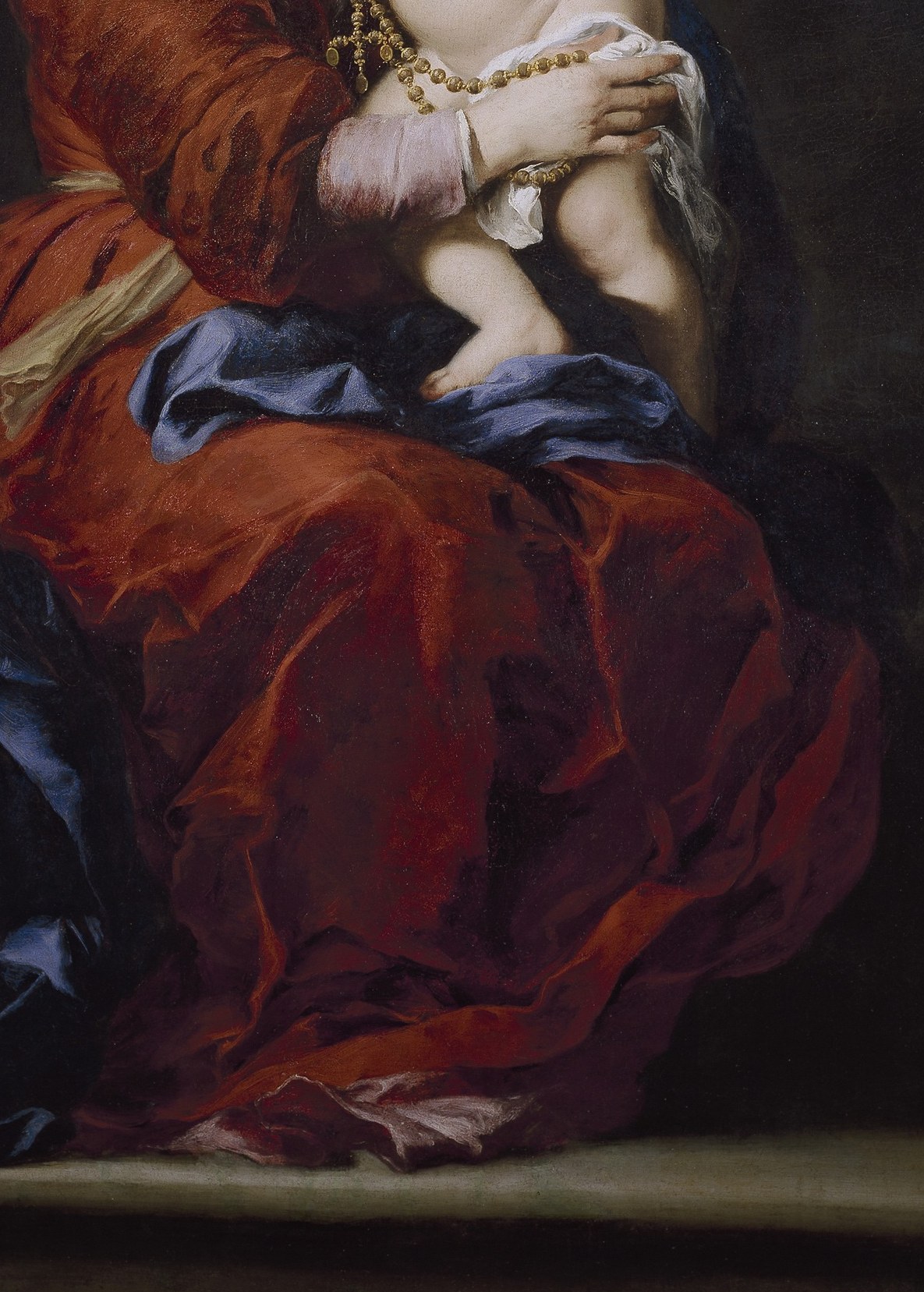
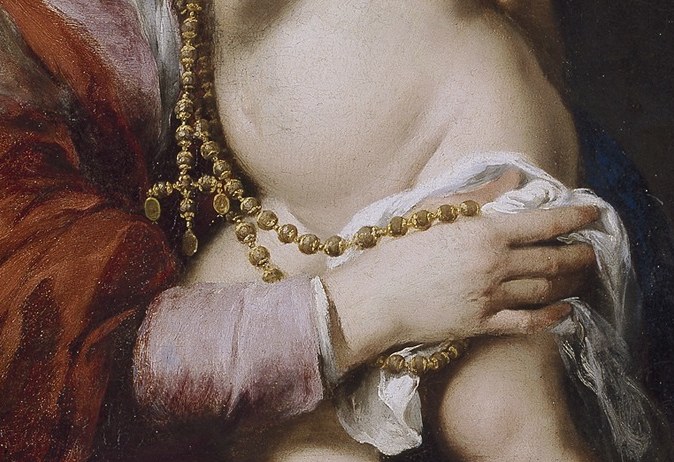
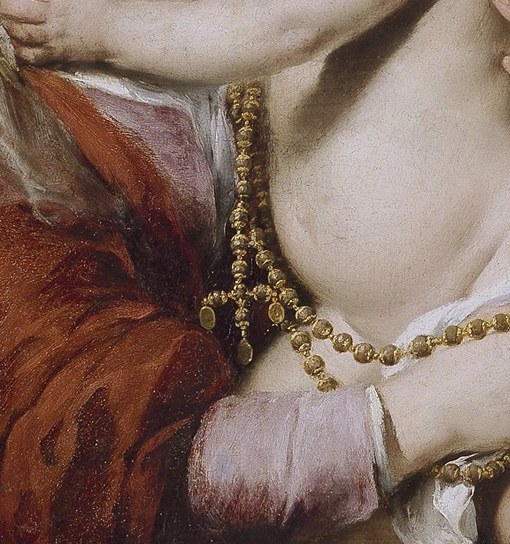
Look at the gentle embrace between the Virgin and the infant Jesus. Notice how Jesus's hand rests on the rosary beads, a clear symbol of faith and devotion. The rich red of the Virgin's robe evokes warmth and grandeur, while the blue drapery offers a cool contrast, grounding the divine figures.
Murillo, a master of religious art, created this work during a period when he was refining his accessible portrayal of sacred figures. This painting was once part of significant Spanish royal collections, including El Escorial Monastery and the Palacio Real de Madrid, before finding its permanent home in Madrid.
The painting serves as a powerful reminder of the central role of the rosary in Catholic prayer and the profound bond between a mother and child.
Details
Transcript
This is a coded message from 1650. The Virgin's direct gaze meets yours. Her red robe means warmth and grandeur. His hand holds the rosary beads. The rosary suggests devout prayer. Jesus's foot rests on his mother's leg. Their connection is maternal love. Murillo painted this for devotion.