Tarquin and Lucretia by Crespi, Giuseppe Maria
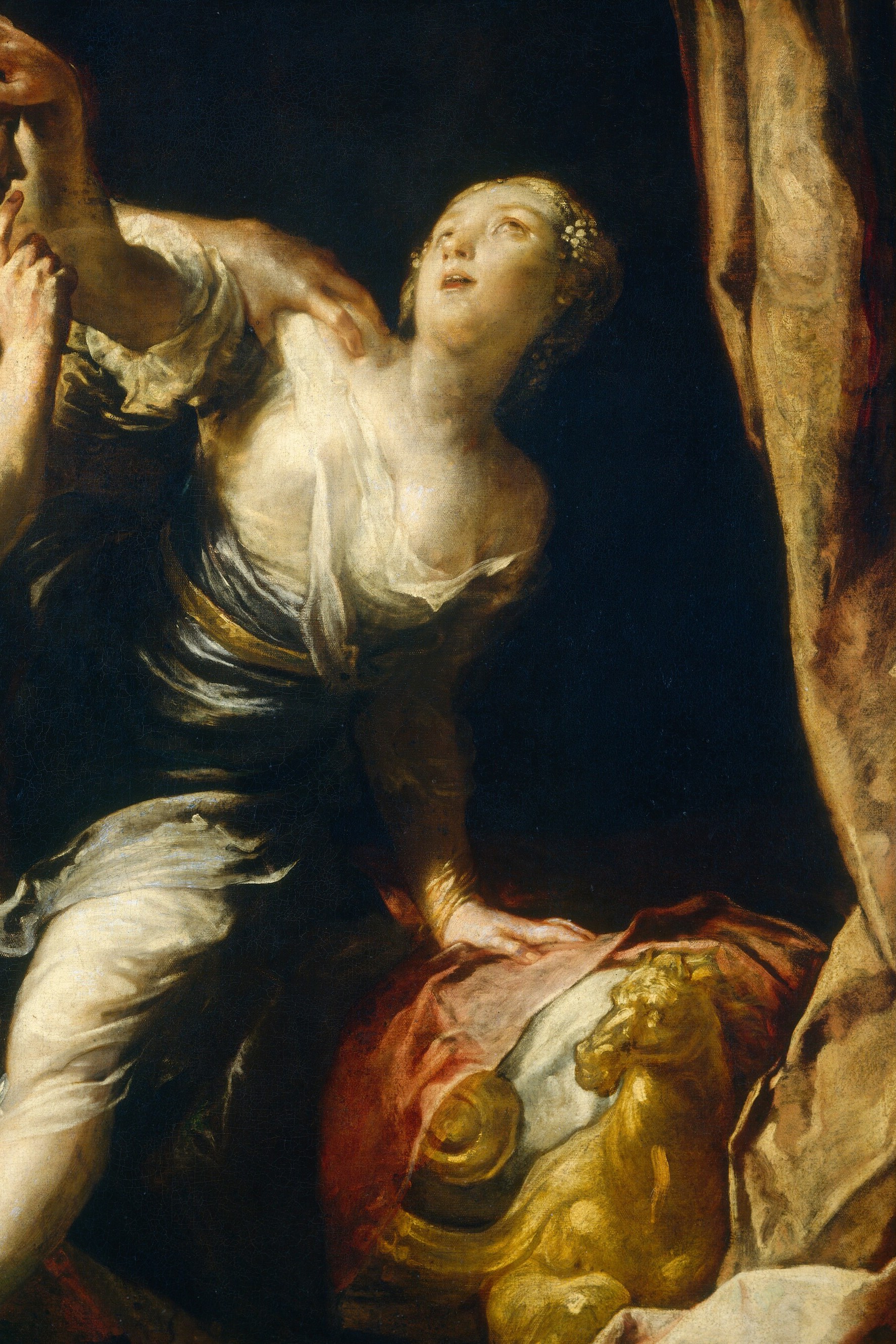
This is Giuseppe Maria Crespi's "Tarquin and Lucretia," painted around 1695. It stages the crime that ancient Romans believed ended their monarchy and birthed the Republic. Every object in the frame is a witness and a code.
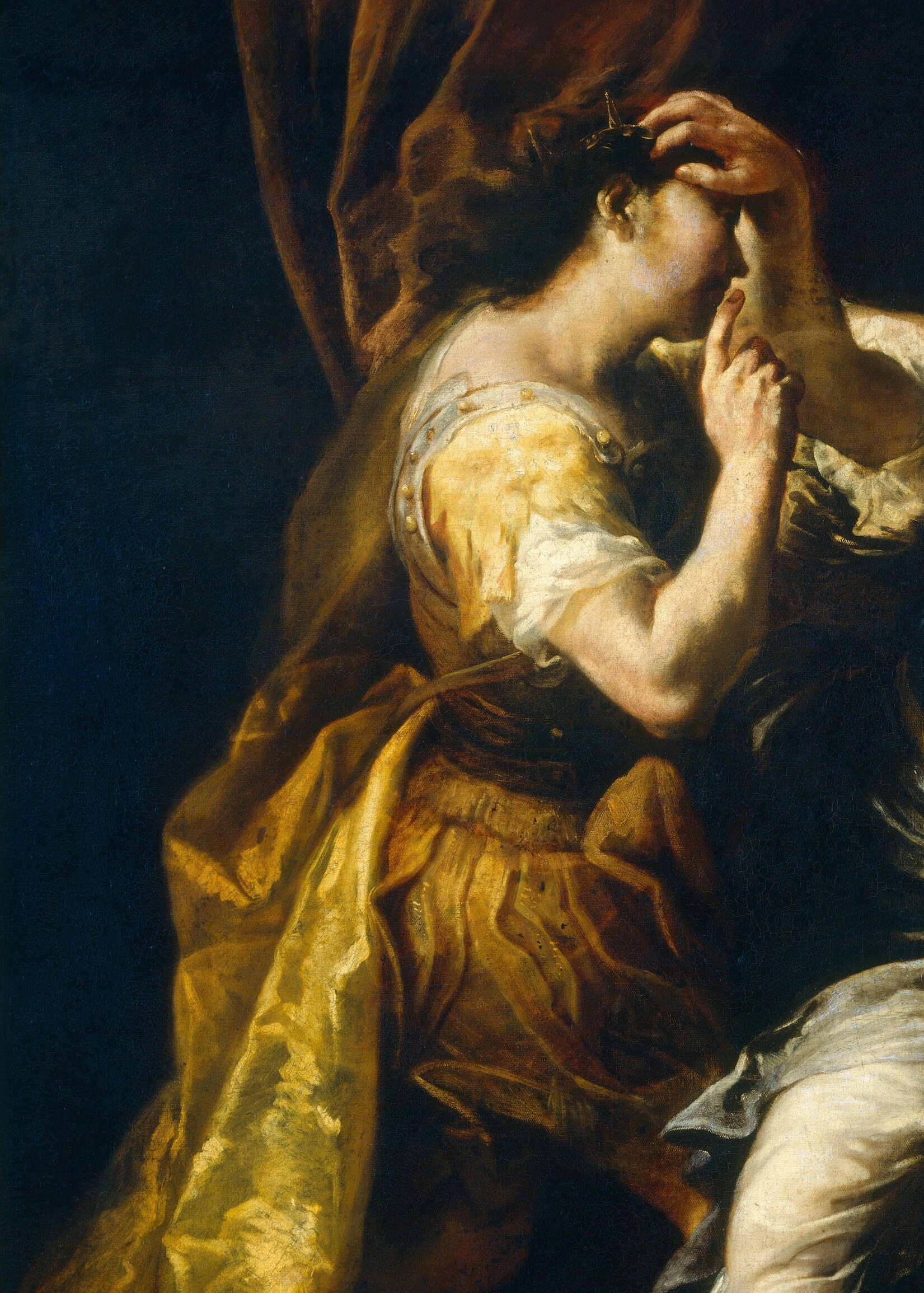
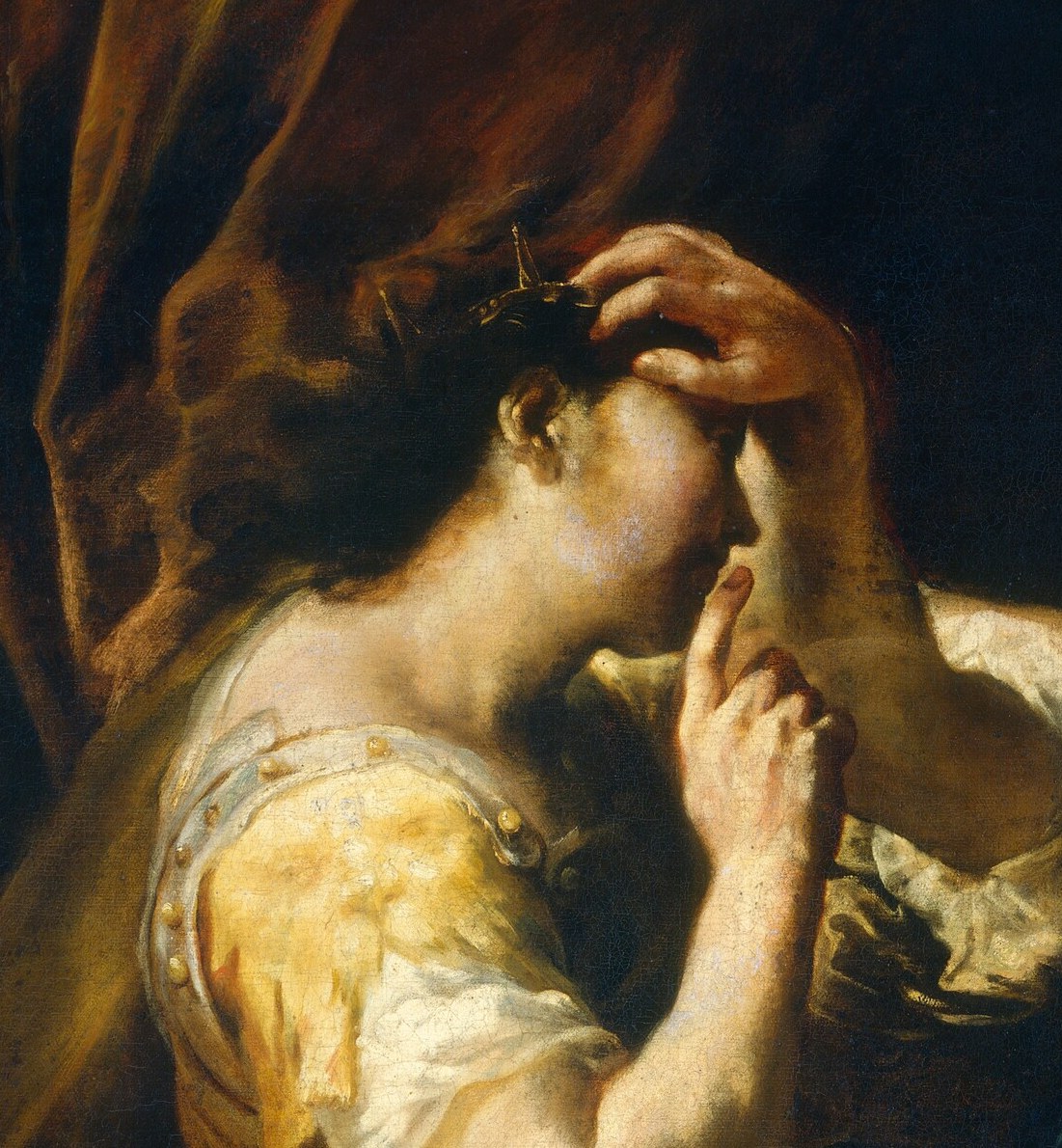
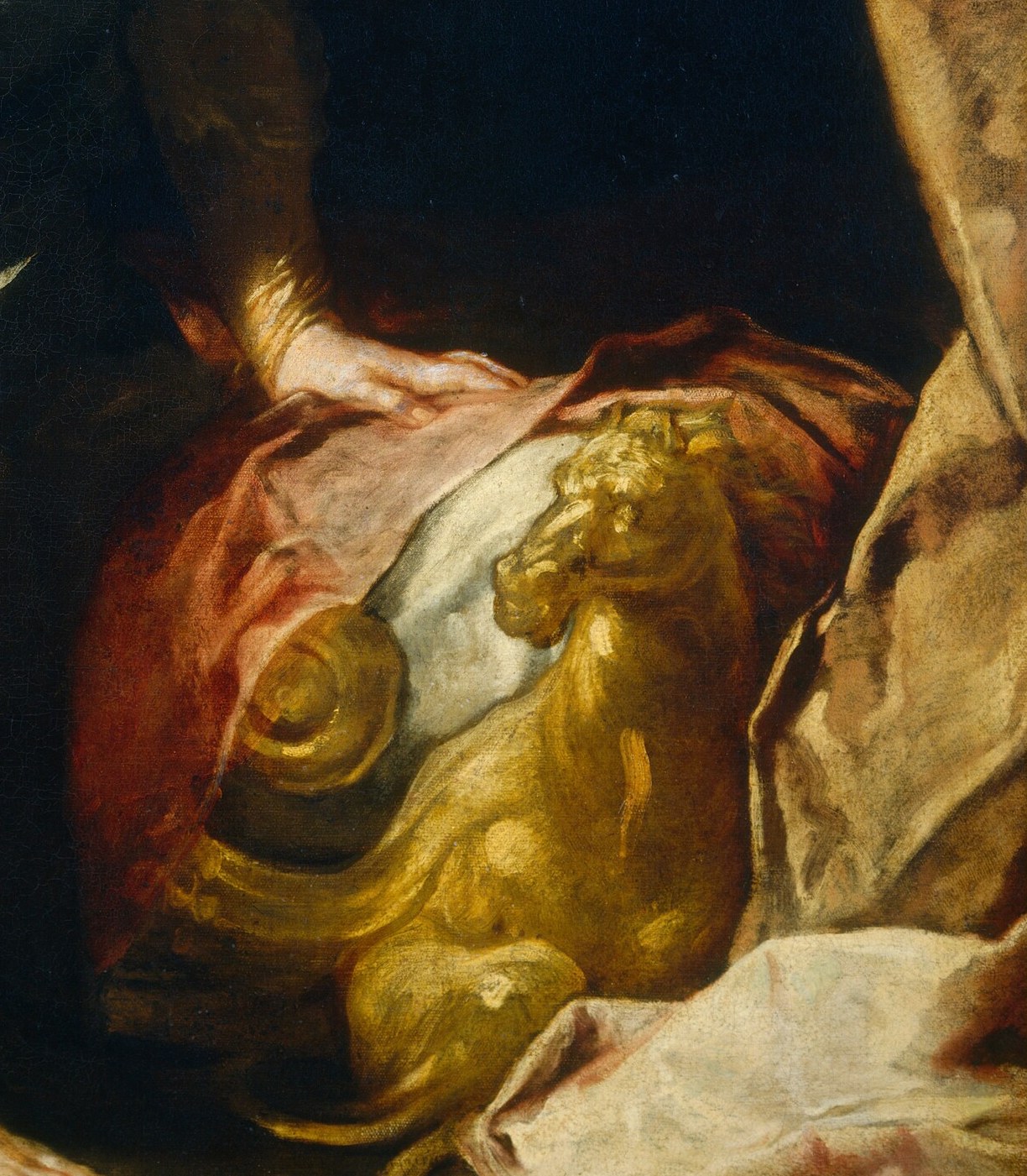
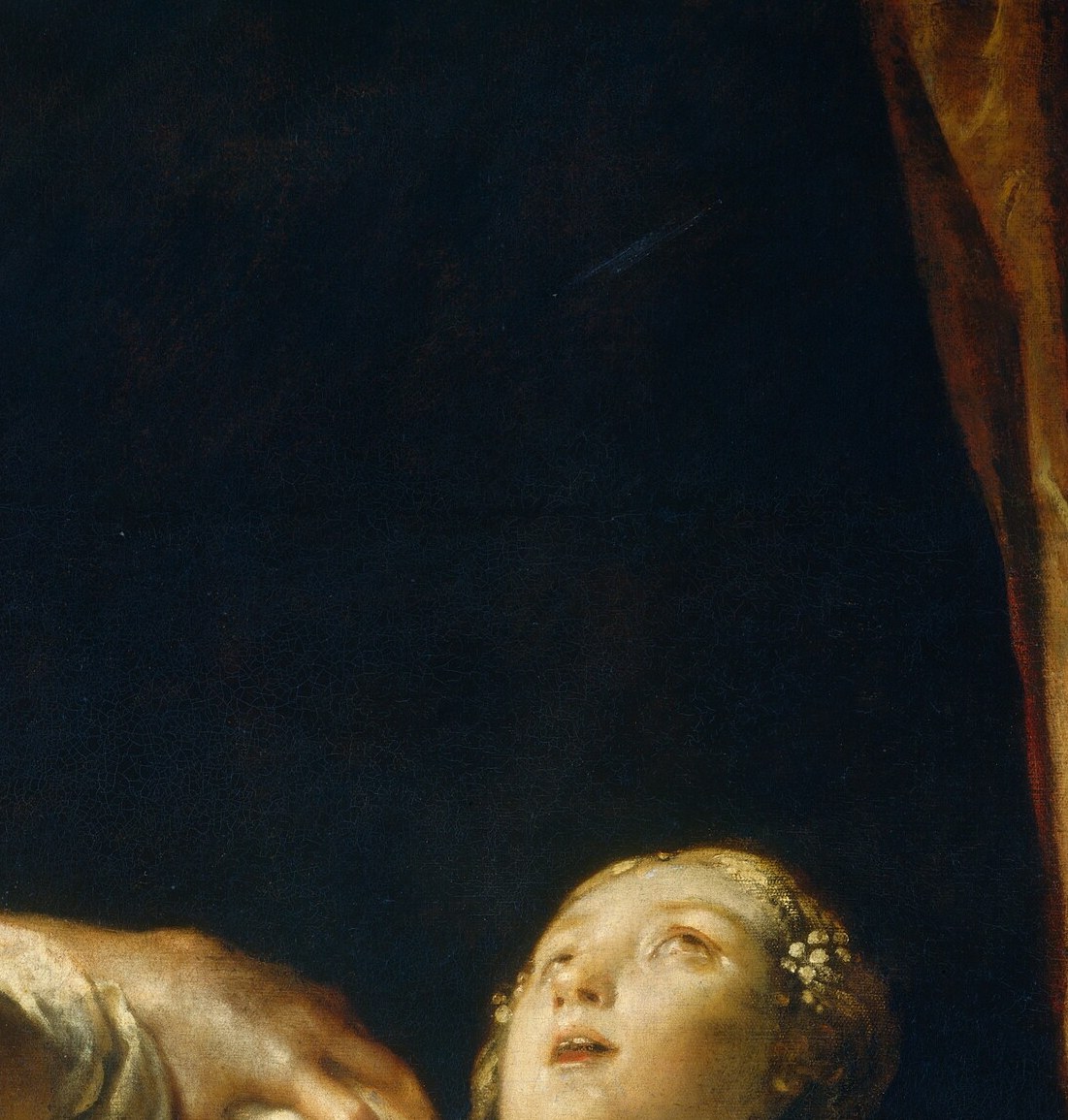
The white chemise, luminous and disheveled, stands for Lucretia's chastity, the virtue that made her violation a political earthquake. The golden armor on Tarquin is aristocratic impunity made literal: he shines while she recoils into shadow. The raised dagger is the legal hinge, coercion, not seduction, which under Roman law turned the act from private shame into a public cause. And the crimson fabric at the lower right foretells the blood Lucretia will shed by her own hand.
According to Livy, Lucretia summoned her father and husband, named Tarquin, and then took her own life to preserve her family's honor. The Roman people, led by Brutus, rose up and expelled the kings. A monarchy fell because of what happened in this room.
Crespi, a Bolognese painter nicknamed "Lo Spagnuolo," compresses the whole founding myth into a single arrested moment. No battle, no senate, just four coded objects and a woman's face. Look at her eyes. That composure, even in terror, is the image's real argument: dignity under absolute threat.
Details
Transcript
A white chemise, pulled from her shoulder. It reads as chastity itself, violated. Golden armor. The prince shines in the dark. It signals royal impunity. No one stops a prince. A dagger held high. Coercion, not seduction. Roman law turned on that distinction. Crimson fabric beneath her. The blood to come. This crime ended a kingdom. The Republic began here.