Jerusalem Artichoke Flowers by Monet, Claude
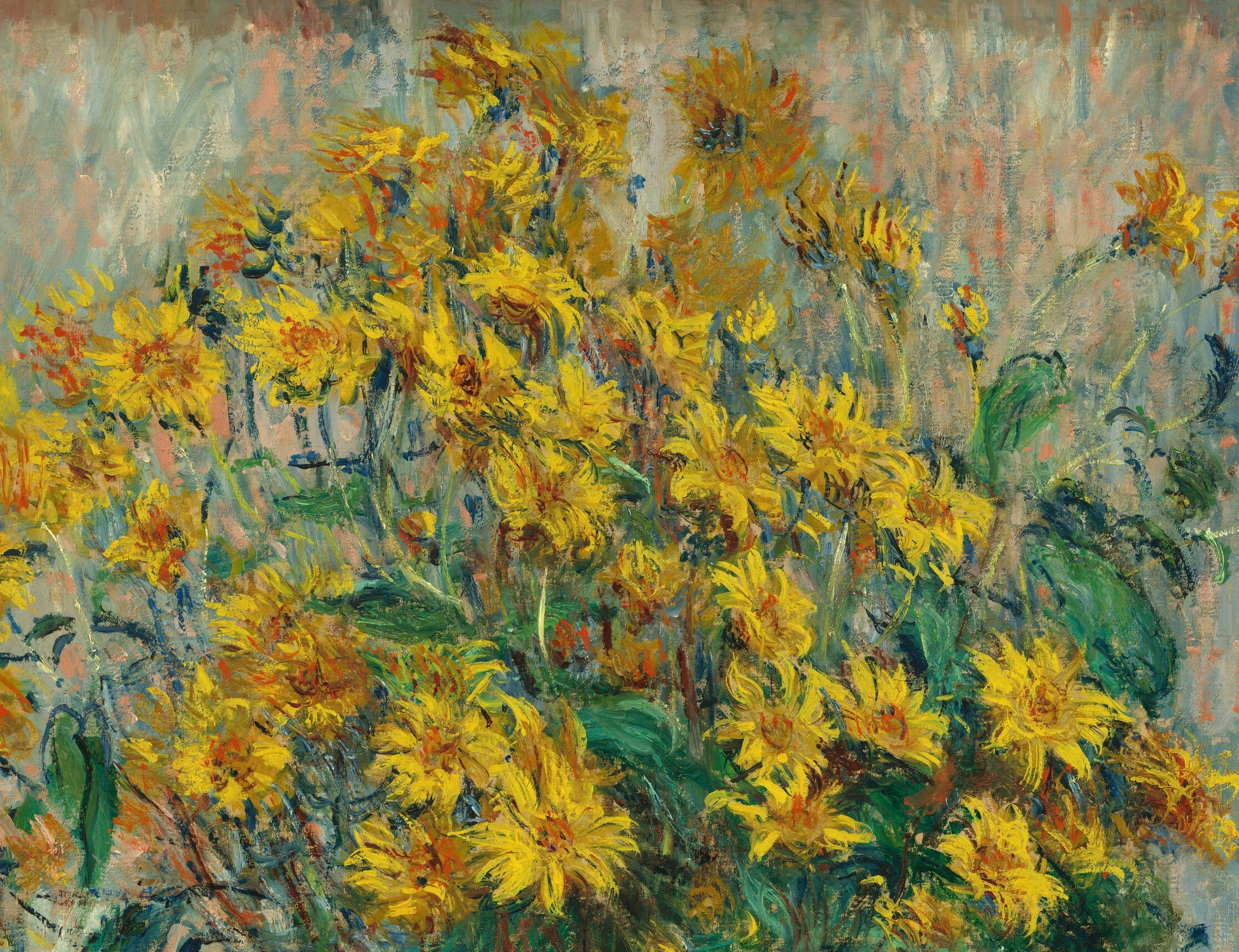
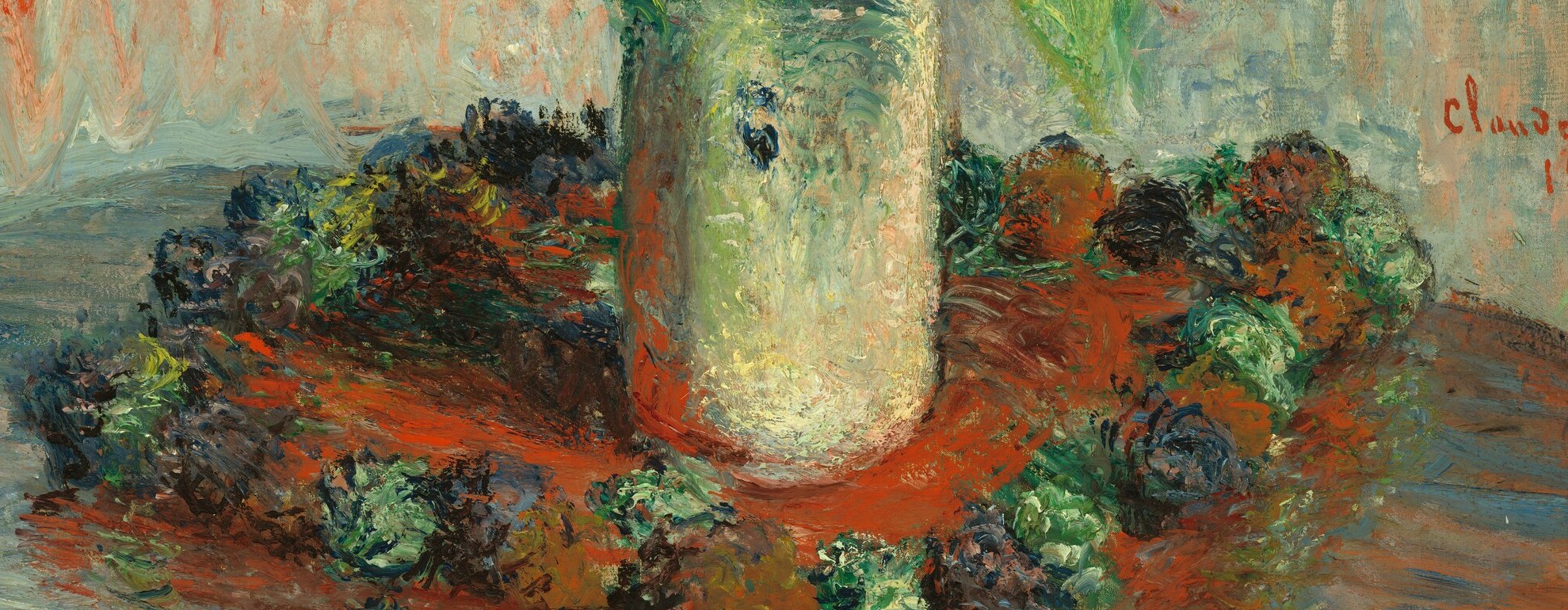
Jerusalem Artichoke Flowers by Claude Monet, painted in 1880 and now in a private collection, was rejected by the Paris Salon the year it was made. Monet was 39 years old, struggling financially, and counting on a Salon acceptance to sustain his family. The jury took one look at those rapid, unblended strokes and declared the work unfinished and offensive to good taste.
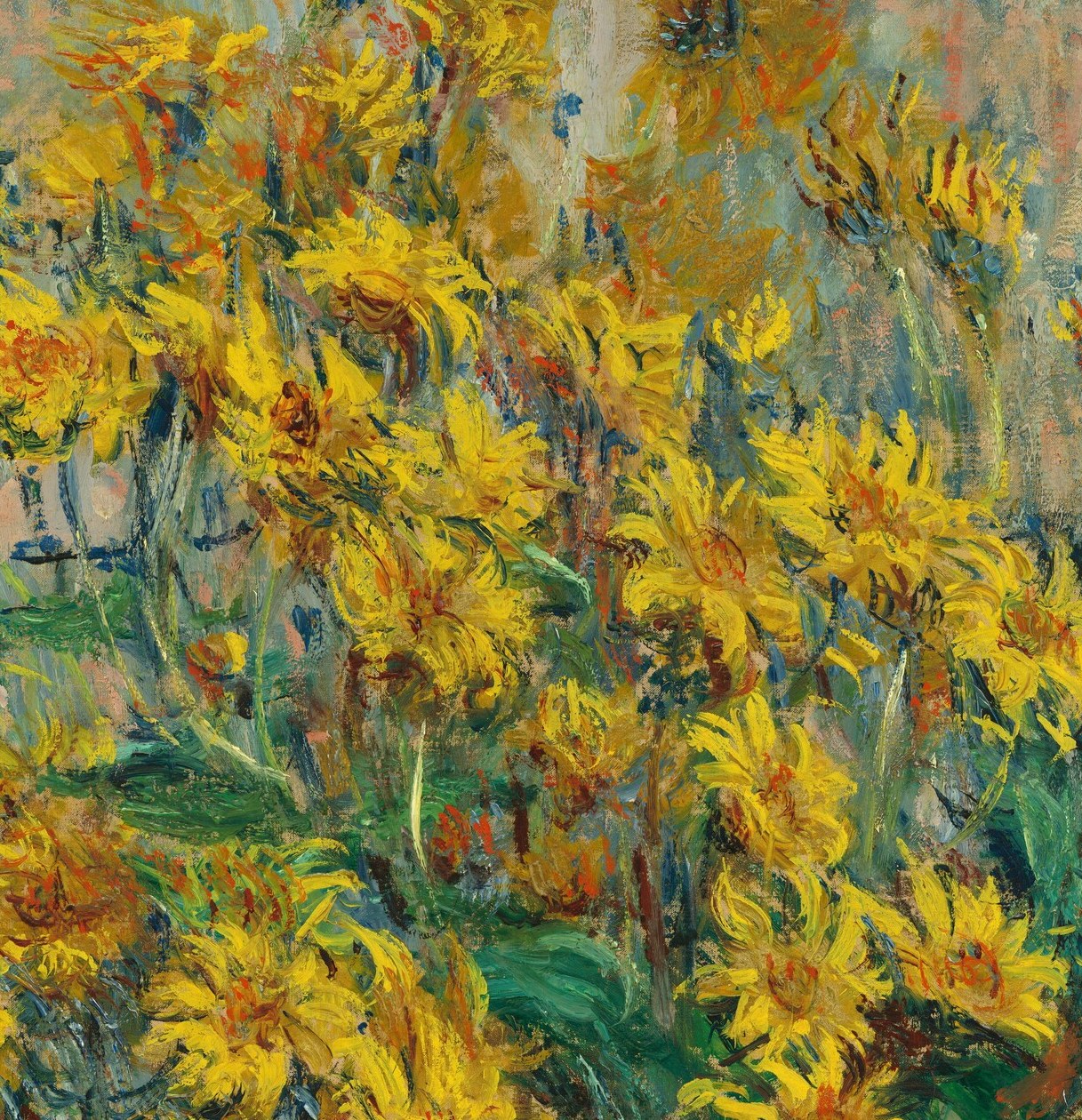
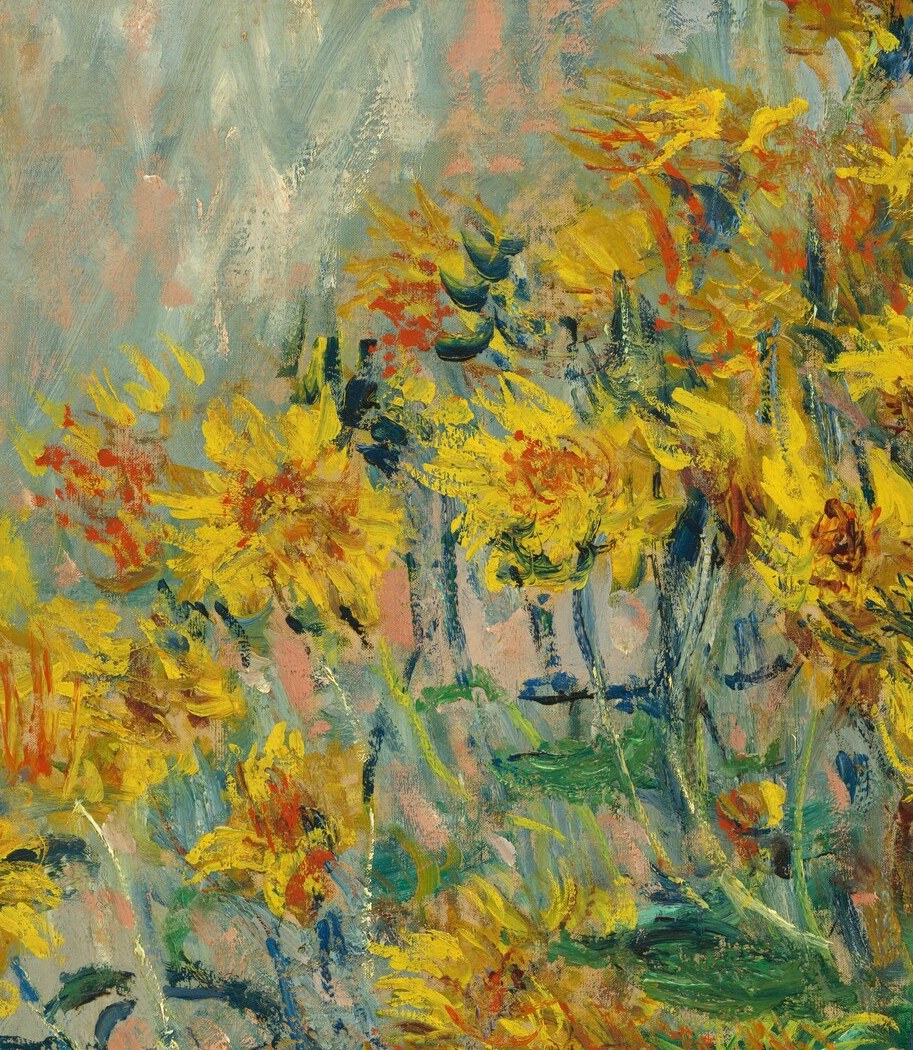
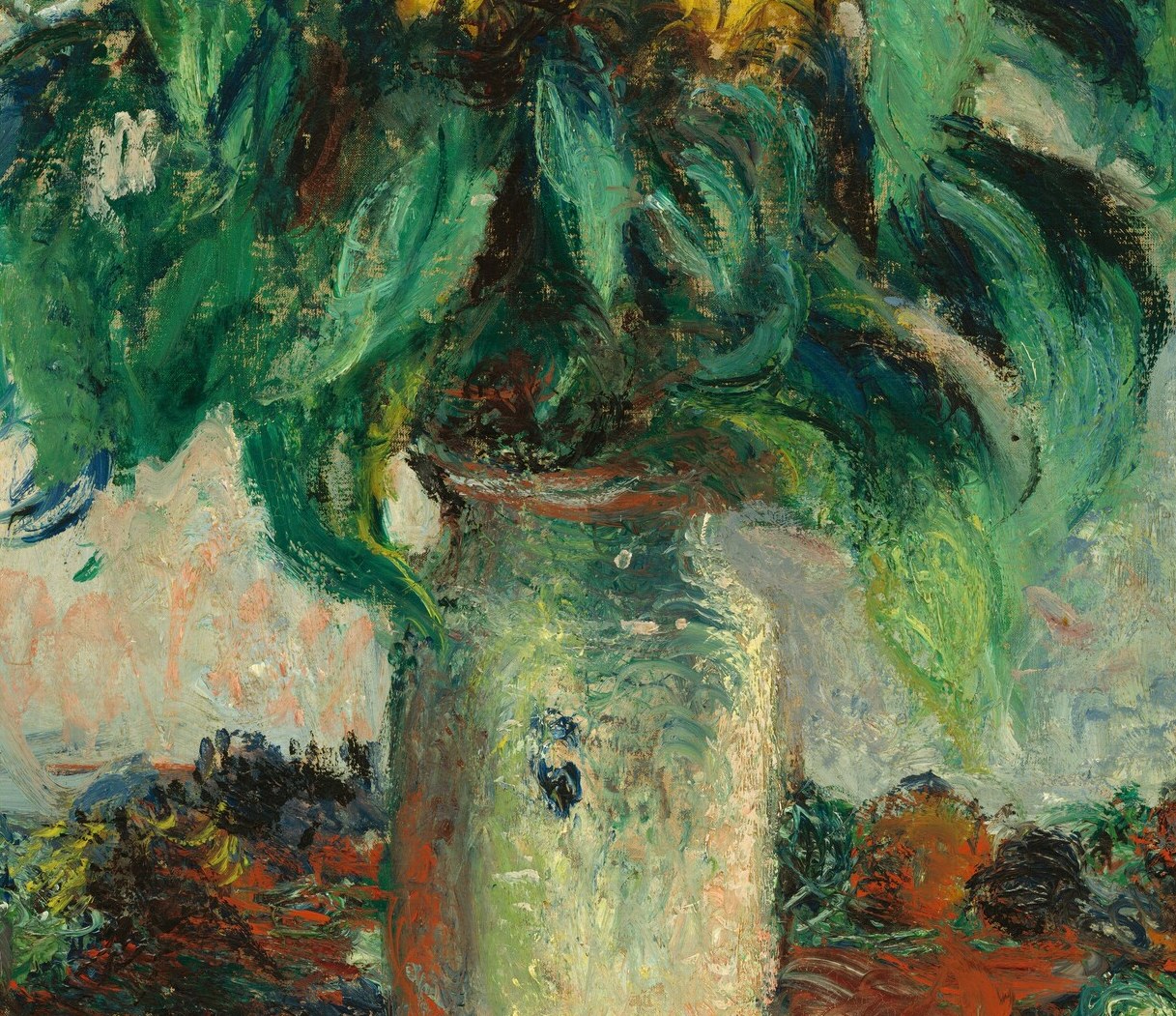
Look at the yellow. Monet laid cadmium yellow directly over ochre without smoothing the transitions, each daisy-like head of the Jerusalem artichoke vibrates because your eye mixes the colours instead of the brush. The thickest ridges of paint, visible in the upper-left petals, still carry the speed of his hand. The vase is deliberately plain white ceramic, a household object that refuses the grand still-life tradition of ornate urns and allegorical flowers.
The rejection became a public scandal. Critics attacked the work as an insult to the institution. But Monet, furious and broke, exhibited it independently, and it sold. The scandal hardened his resolve. Within the decade he would begin the serial method that produced Haystacks, Rouen Cathedral, and eventually the Water Lilies, each built on the same truth this rejected bouquet declared: that light and paint, honestly seen, matter more than finish.
What looks ordinary to us was a wound to the 1880 art world. What do you see in it now?
Details
Transcript
In 1880, this painting was rejected by the Paris Salon. Monet was 39. He needed the money. Critics called it an unfinished mess. Look at how he built the yellow, cadmium over ochre, never blended. The paint sits in ridges. A record of pure speed. This white vase is plain kitchenware, no luxury, no allegory. That ordinariness was part of the scandal. When the Salon said no, Monet exhibited it himself. It sold.