The Milkmaid by Johannes Vermeer
View the artwork: The Milkmaid →
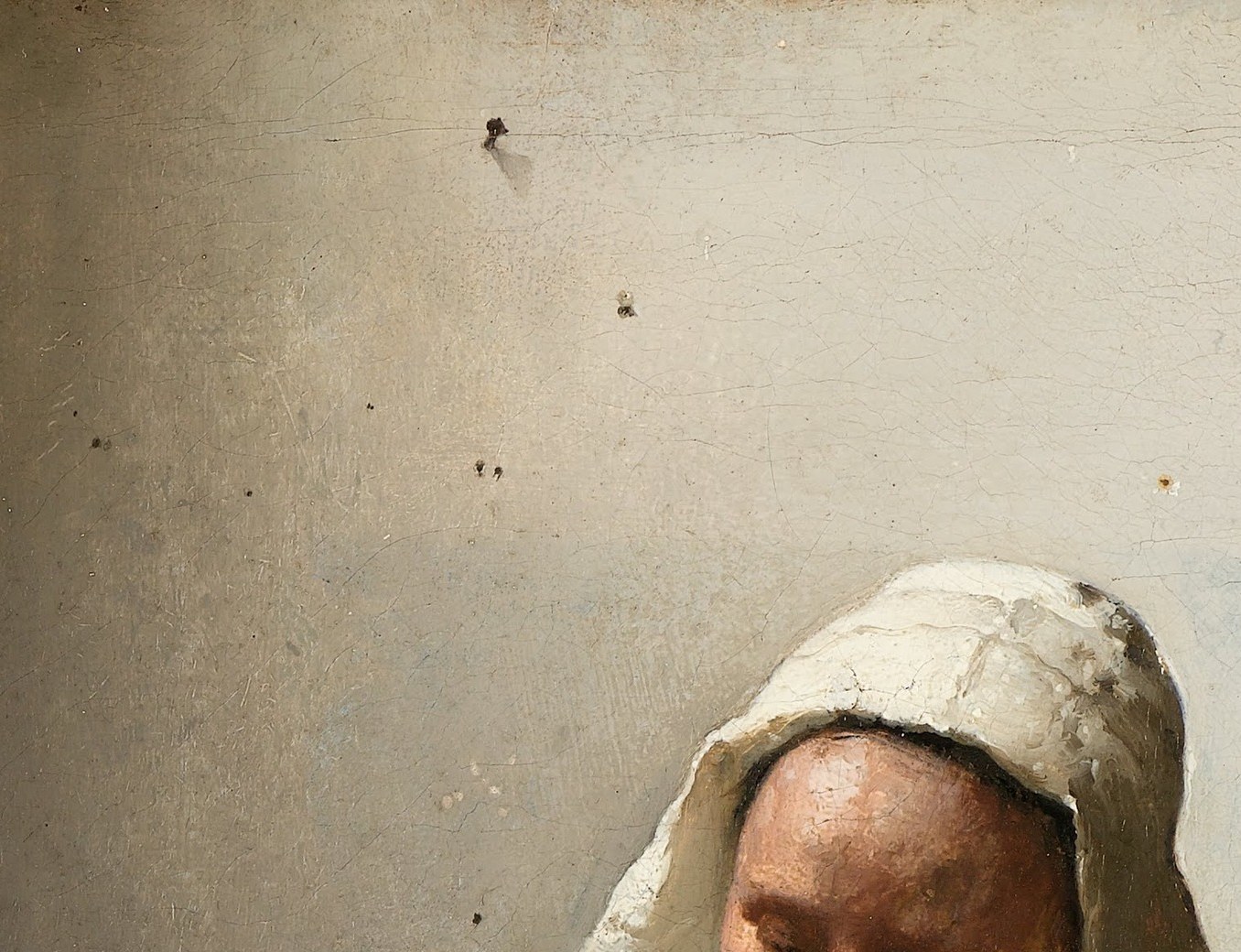
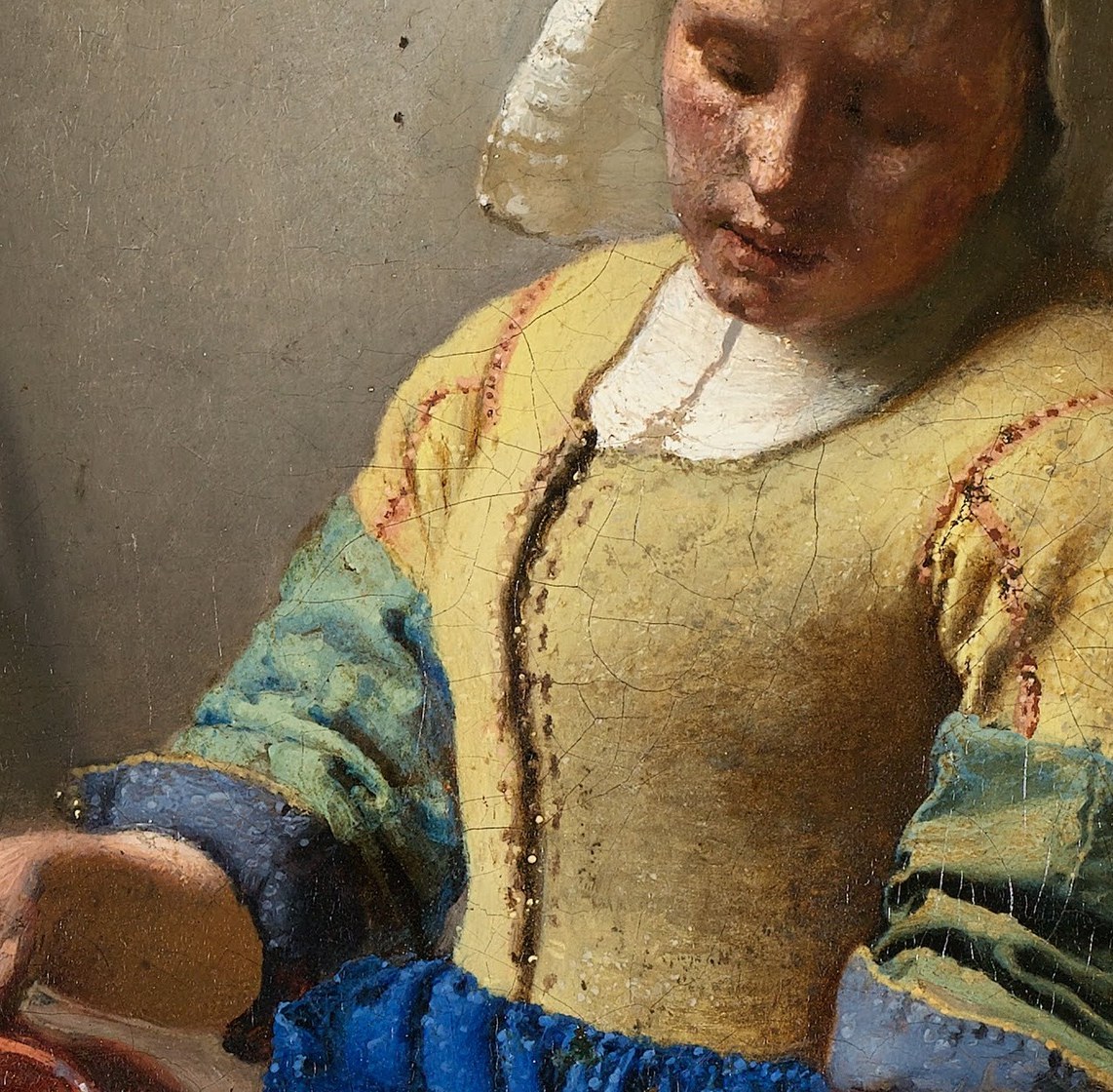
The Milkmaid, by Johannes Vermeer, painted around 1658 and now in the Rijksmuseum, is far more than a quiet kitchen scene. It is a still-life sermon built inside a genre painting, using everyday objects that a 17th-century Dutch viewer would have read immediately as a coded moral message.
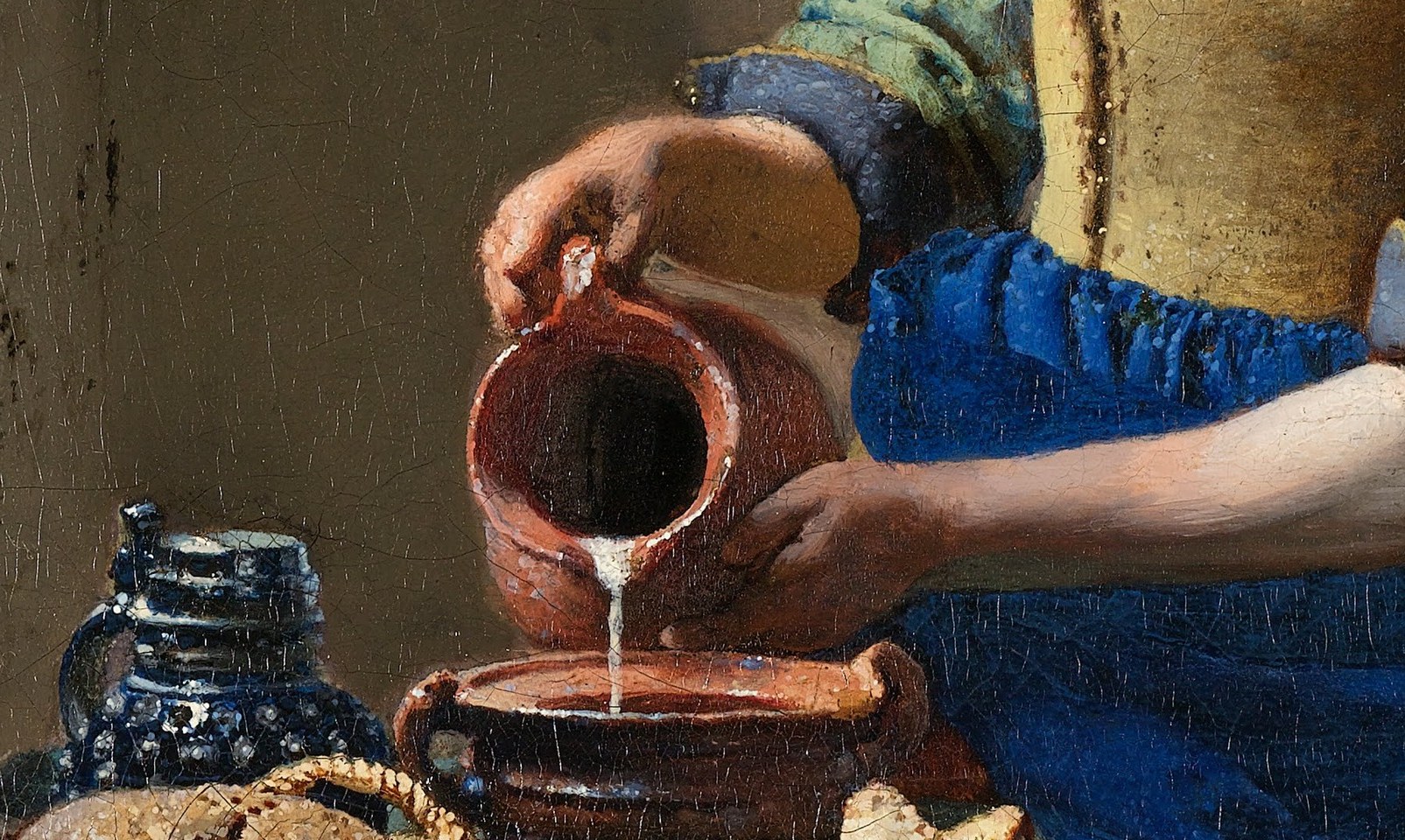
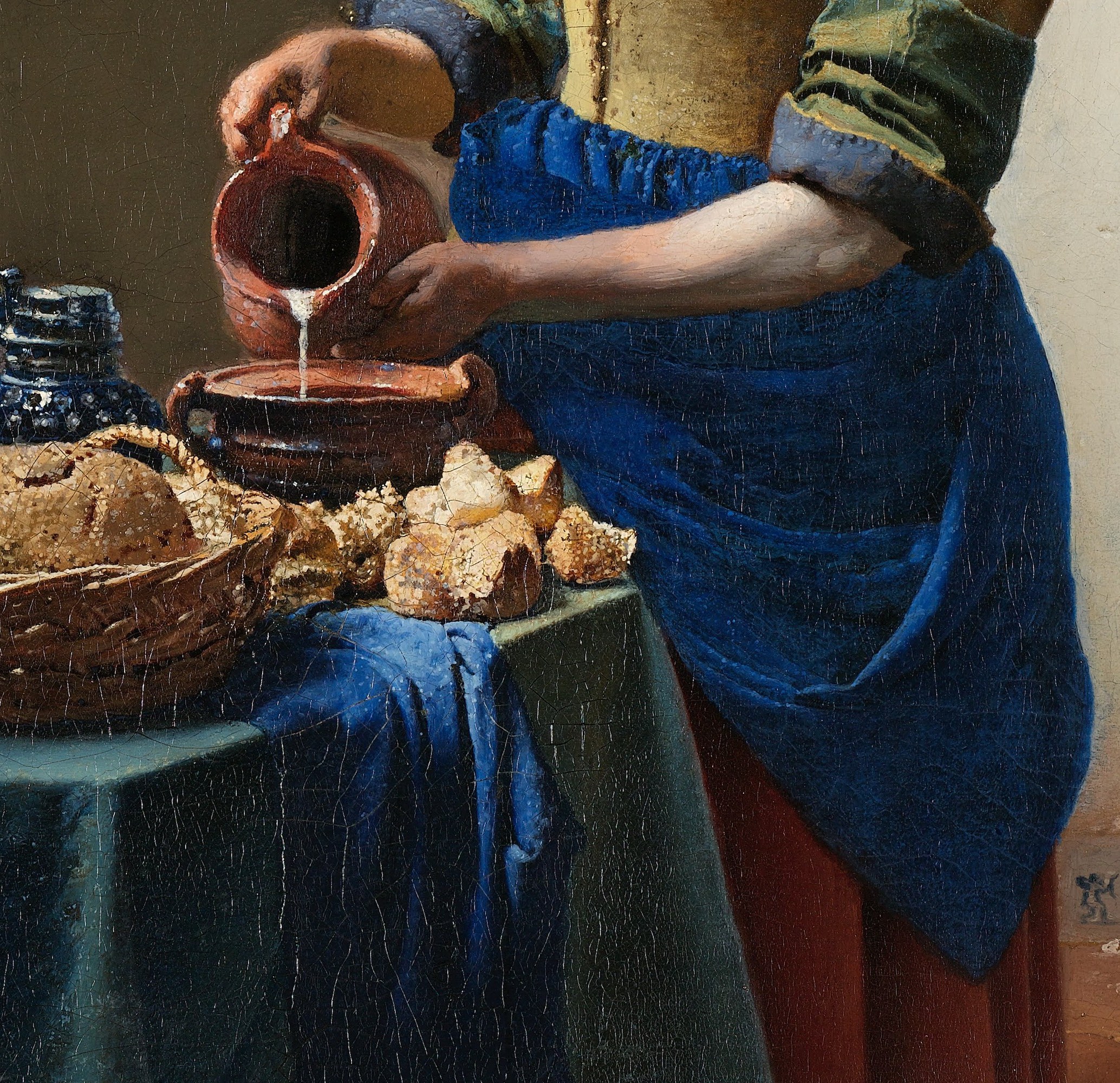
Work your way across the table. The crusty bread rolls, especially the broken one near the basket's edge, carry Eucharistic weight: bread as the body of Christ, spiritual sustenance. The stream of milk, pure white and unbroken, was a standard emblem of chastity and virtue. Together they form a statement about nourishment of both body and soul, held in the maid's steady hands.
Then look below the table line, into the shadow near the Delft tiles. A small brass foot warmer sits there, easy to miss. In Dutch visual culture, the foot warmer was an established symbol of lust, a heat that stirs from below, covert and sensual. X-rays reveal Vermeer originally painted a clothes basket in that corner, then removed it to leave the foot warmer as the sole object in shadow.
What the code adds up to: a working woman surrounded by emblems of faith, purity, and concealed desire. Vermeer does not judge. He places temptation under the table, in the dark, while the maid's face remains absorbed in the light. The choice is hers, and the painting holds its breath.
#arthistory #vermeer #dutchgoldenage
Details
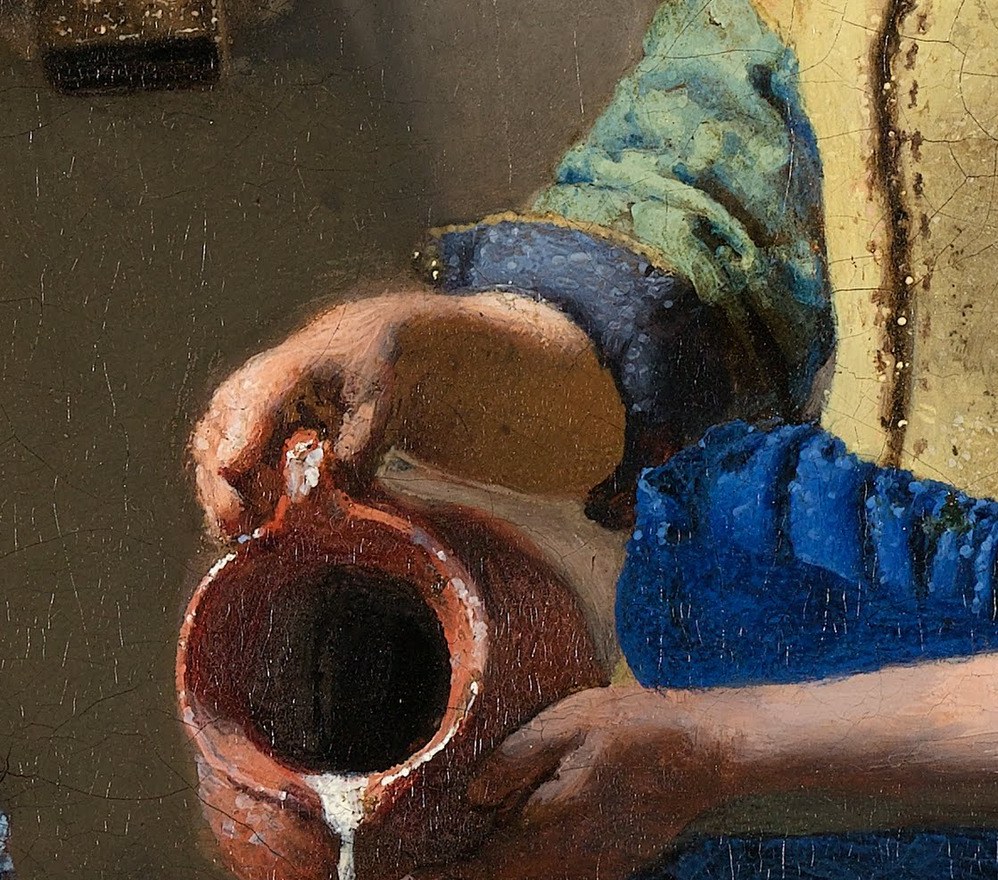
Transcript
A maid pours milk. But the real story is on the table. Start here: bread. A broken roll sits apart from the basket. In Dutch still-life code, bread means the body of Christ. Now the milk. White, pure, unbroken, a sign of chastity. These two together: spiritual and bodily nourishment, held in balance. Now look lower. A foot warmer, half hidden in shadow. A foot warmer was a Dutch emblem of lust. It heats from below. The code reads: purity and faith, with temptation kept under the table.