Miss T. by Alice Beckington
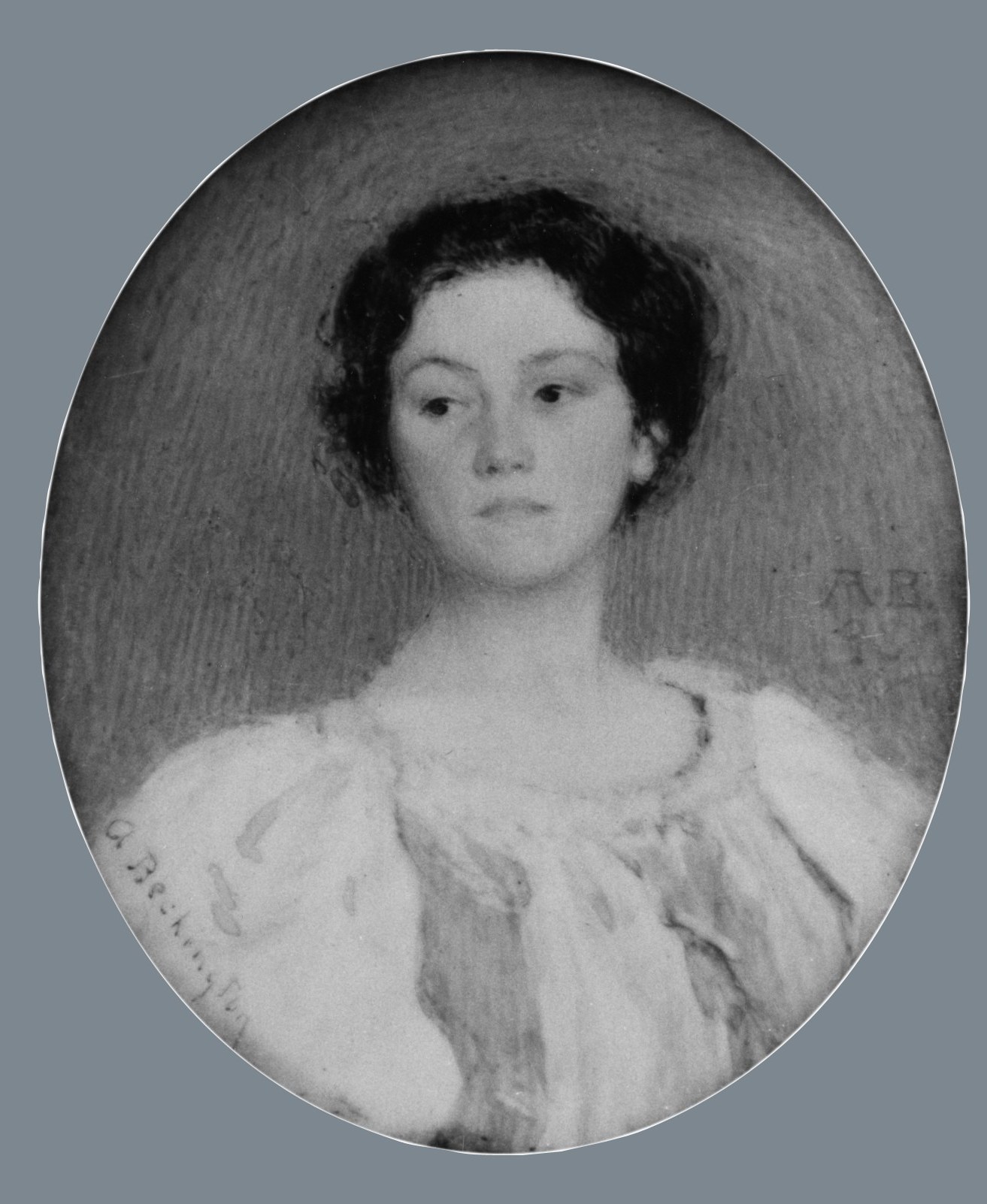
Alice Beckington's "Miss T." is a miniature portrait from 1900, painted on a thin sheet of ivory. It lives at The Metropolitan Museum of Art, but it was designed for something far more intimate than a museum wall: it was made to be held in your hand, or worn.
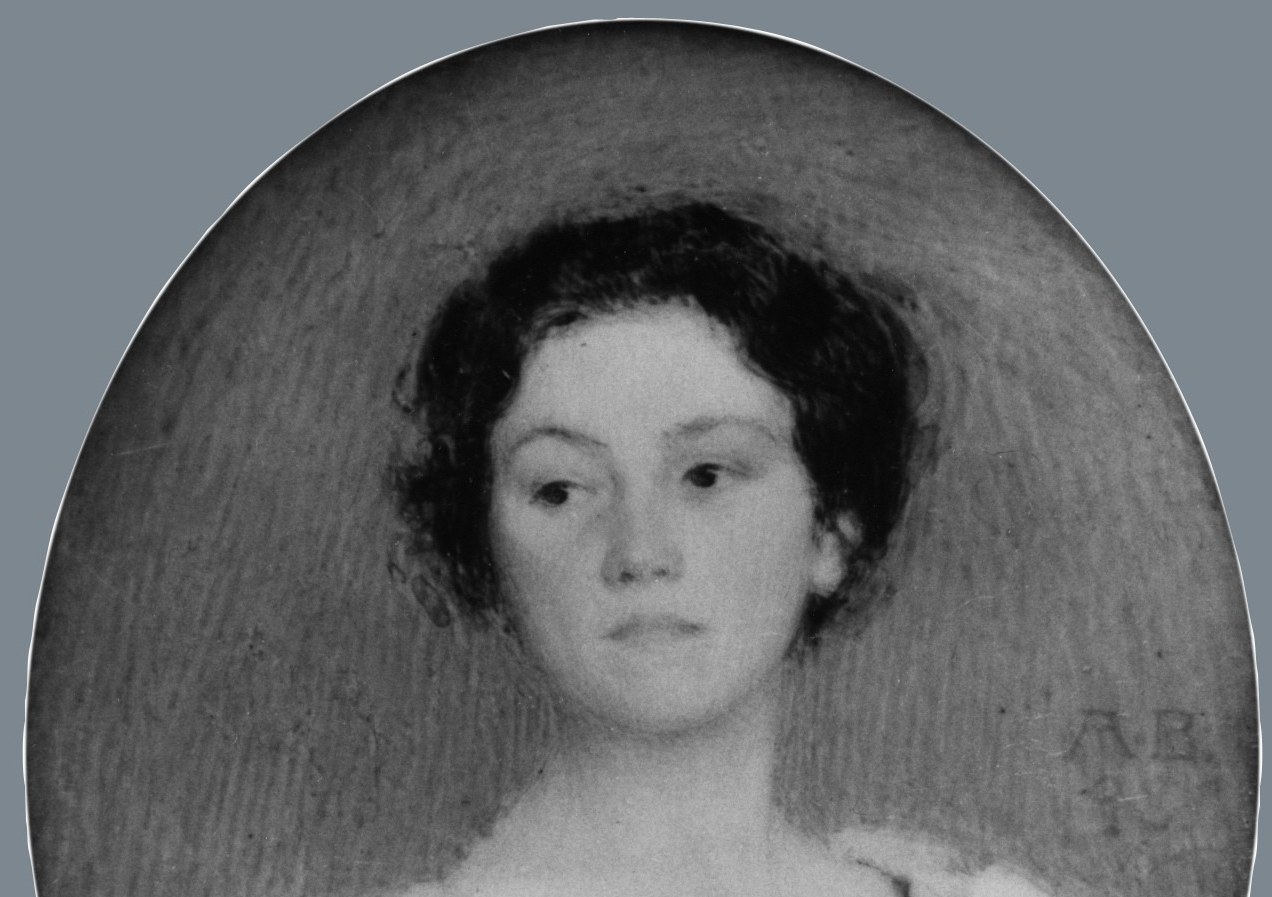
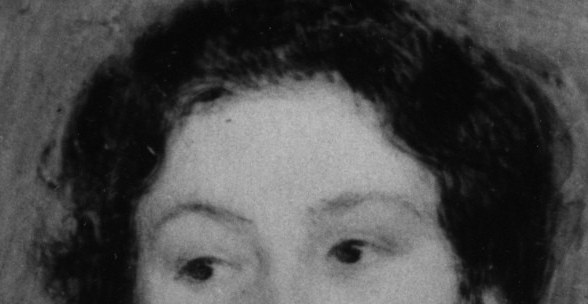
Look at the soft modeling around her eyes and lips. Beckington layered translucent washes on the ivory, letting the warm white of the material glow through the skin tones. The dark sweep of hair against the misty grey background is the painting's main structural anchor, a single strong tonal contrast that holds the whole oval together.
Beckington studied in Paris at the Académie Julian under Lefebvre and Benjamin-Constant, then returned to America and became a founding member and longtime president of the American Society of Miniature Painters. From 1905 to 1916 she taught miniature painting at the Art Students League in New York, shaping a generation of painters working in this demanding, delicate format.
"Miss T." isn't a blockbuster. Its fame rank sits in the thousands, not the hundreds. But a miniature doesn't ask for a crowd. It asks for one viewer, close enough to see the artist's hand.
Details


Transcript
This was never meant for a gallery wall. It's painted on a thin sheet of ivory. Made to be held in your hand. Her eyes are painted in soft, quick layers. Beckington trained in Paris, then founded a society for painters like her. She taught miniature painting in New York for over a decade. A quiet face on ivory, for one person at a time.