The Marriage of Bacchus and Ariadne by http://www.wikidata.org/.well-known/genid/6d6b287812ccb539285a94dc4072bb3e
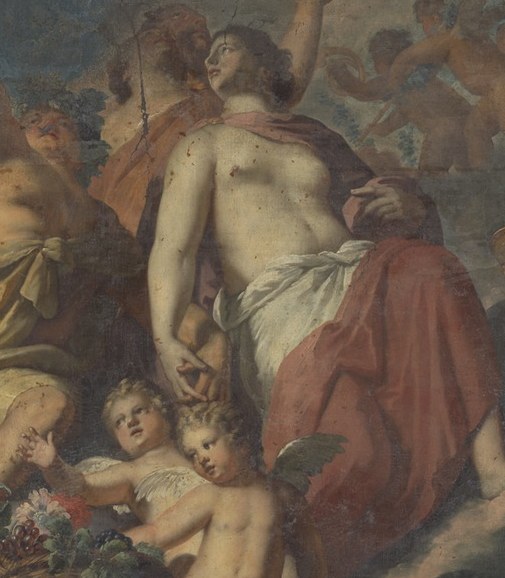
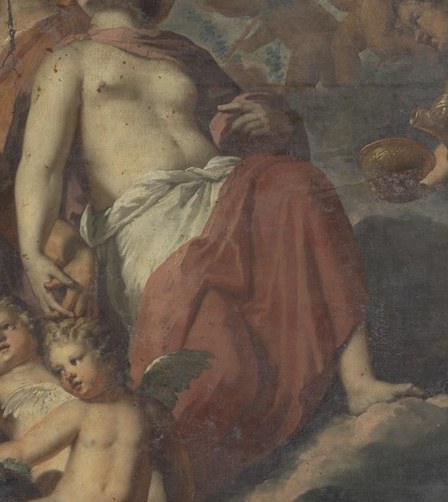
Charles de La Fosse's "The Marriage of Bacchus and Ariadne" (1687) at an unknown museum, faced surprising criticism at its debut. While now appreciated for its Baroque energy, it was then deemed "too frivolous" by many.
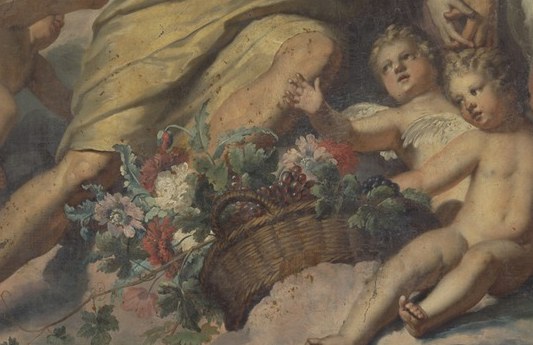
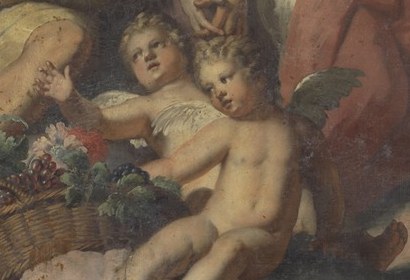
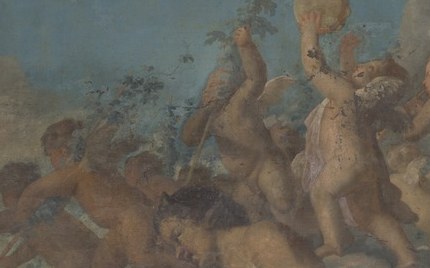
Contemporaries, accustomed to La Fosse's more classical style, took particular issue with the cherubs. They were seen as "pudgy" and "unworthy," a shocking departure from the elegance expected of the artist. One critic famously asked, "Why this childishness, this grotesque detail?"
This strong reaction highlights the shifting artistic tastes of the late 17th century. What we now see as dynamic and celebratory, was once a source of public ridicule for a respected painter.
Does knowing this change how you see these figures?
Details
Transcript
This painter was known for his calm, classical style. But his critics called this painting 'too frivolous'. Look closely at the cherubs around Bacchus and Ariadne. The critics claimed he depicted them as 'pudgy' and 'unworthy'. One wrote: 'Why this childishness, this grotesque detail?' It was considered a shocking lapse from his usual elegance.