Saltash with the Water Ferry, Cornwall by J.M.W. Turner
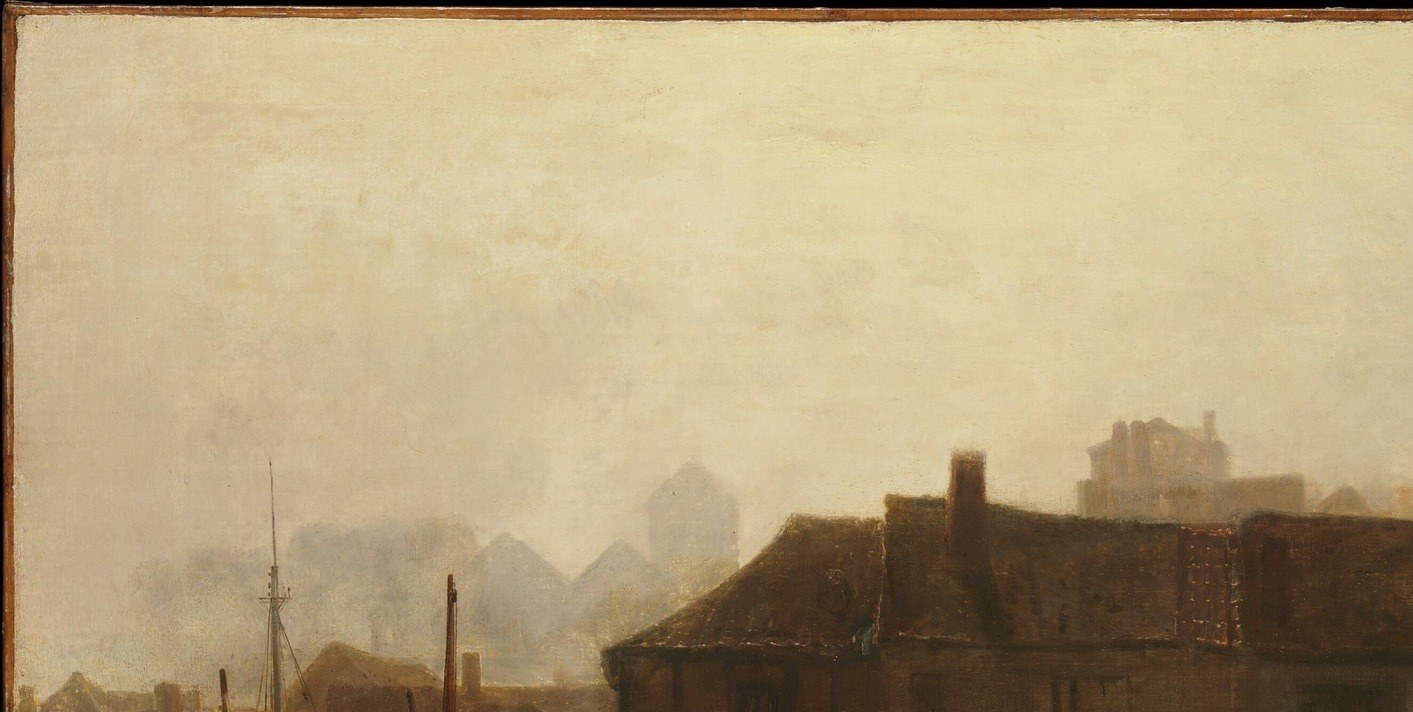
J.M.W. Turner's 'Saltash with the Water Ferry, Cornwall' (1811) is a landscape with a secret price tag and a quiet political warning. Now in the Metropolitan Museum of Art, the canvas shows the artist pricing a provincial view at a staggering 200 guineas, not for the ferry, but for the war it concealed.
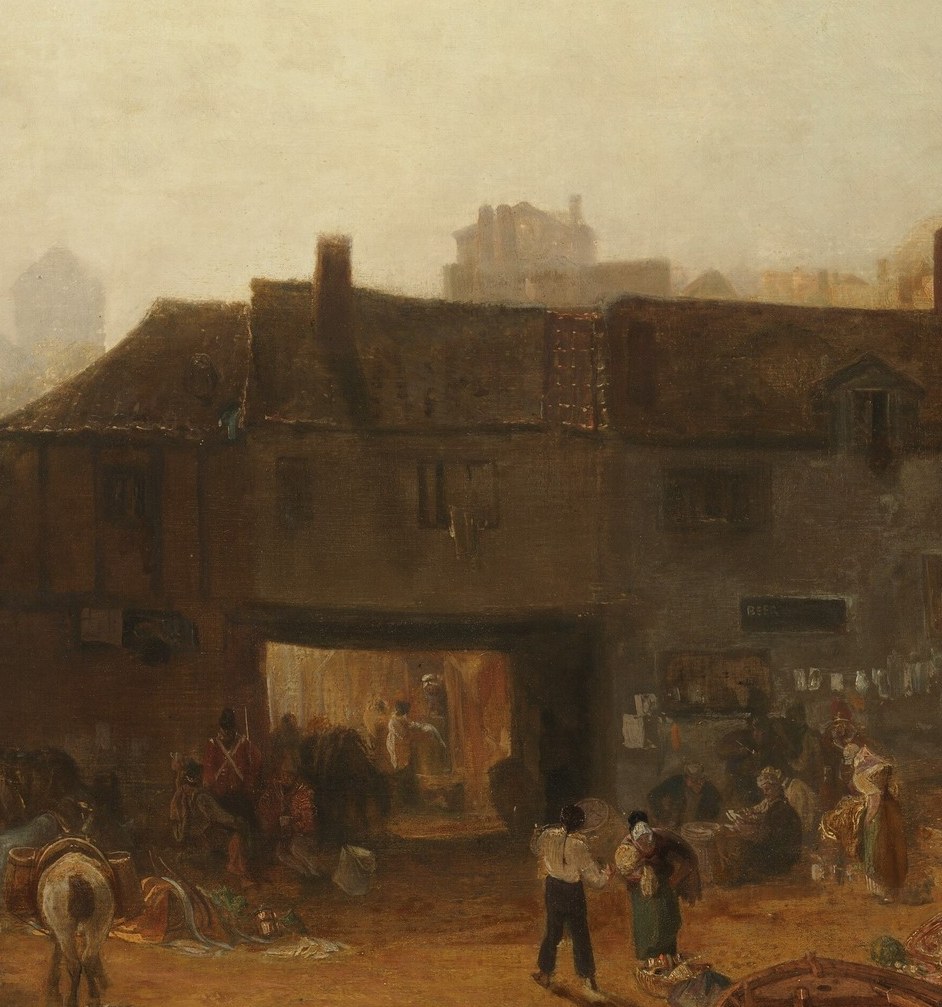
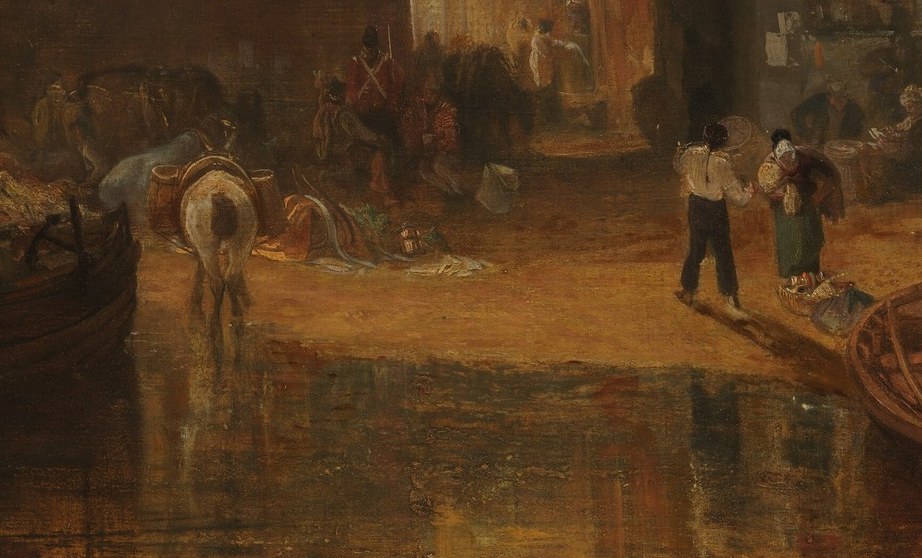
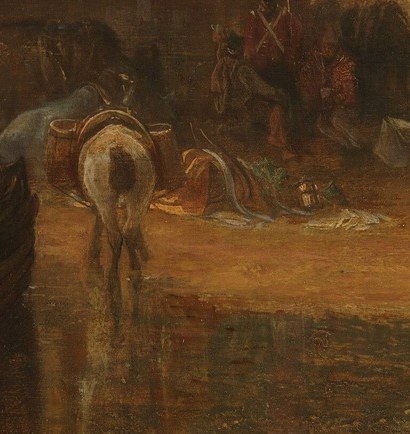
The painting looks across the River Tamar from Saltash toward Plymouth. At first glance it is a workaday scene of a ferry, an inn, and small boats. Then you find the redcoat sentry, a small red figure embedded on the quay. Turner placed him there deliberately.
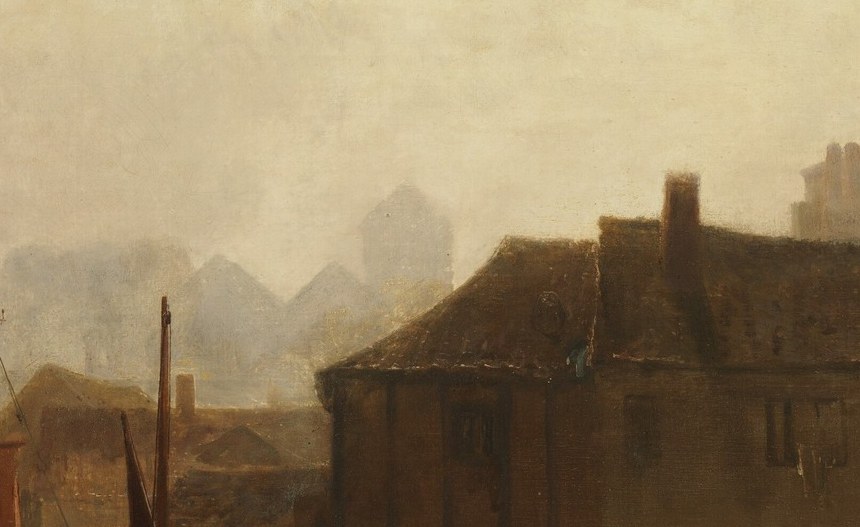
Britain was deep in the Napoleonic Wars. Plymouth, just across the water, was the nation's most critical naval port. The sentry is standing guard over the river crossing that connected civilian Cornwall to the dockyards arming the fleet. Turner dissolves Plymouth itself in atmospheric mist so that the town across the water becomes a question mark, a base that might be threatened.
In 1811 a painting of a ferry could command 200 guineas because it was not just a ferry. It was a view of the home front, priced for a patron who understood exactly what that red coat meant.
Details
Transcript
A quiet ferry on the River Tamar. 1811. Saltash, Cornwall: a working waterfront, not a fantasy. Look among the gathered townspeople. A redcoat sentry waits at the water's edge. Turner priced this scene at 200 guineas. He knew the view across the Tamar was Plymouth. Britain's greatest naval port, veiled in mist.