A View of The Hague from the Northwest by Jan van Goyen
View the artwork: A View of The Hague from the Northwest →
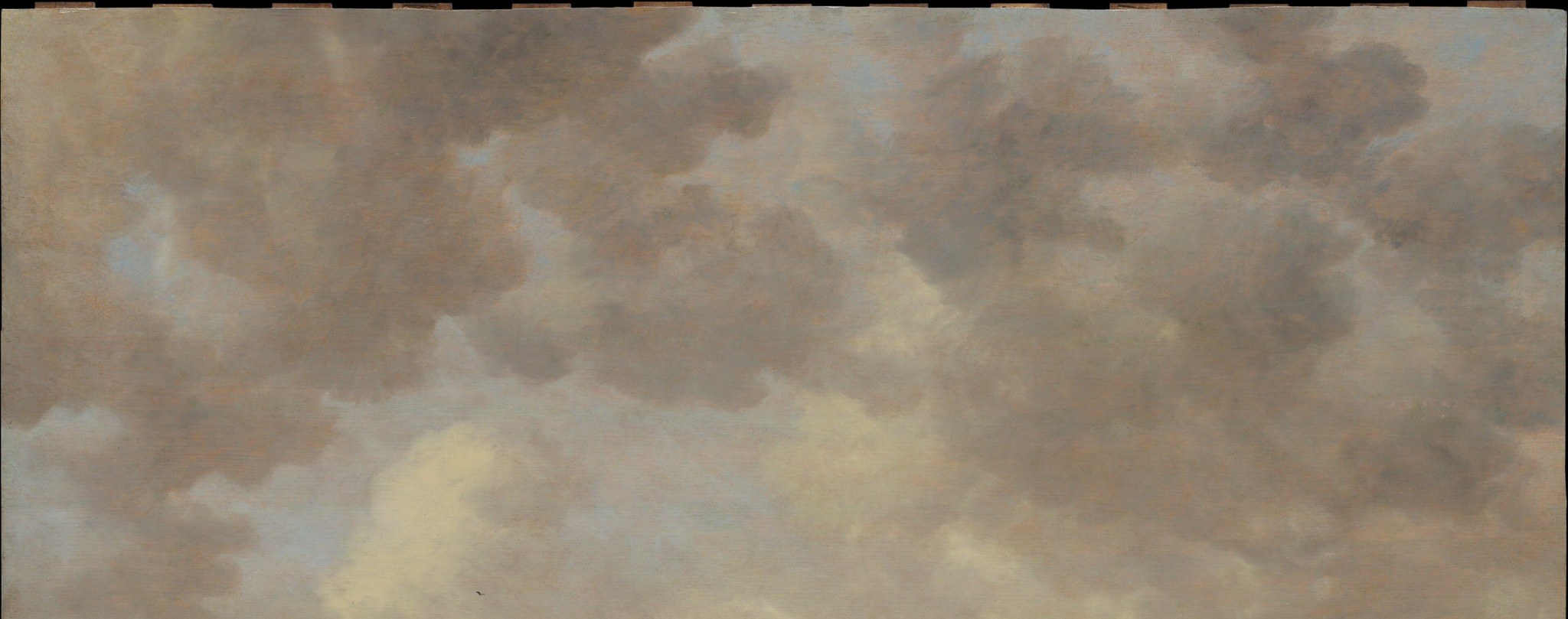
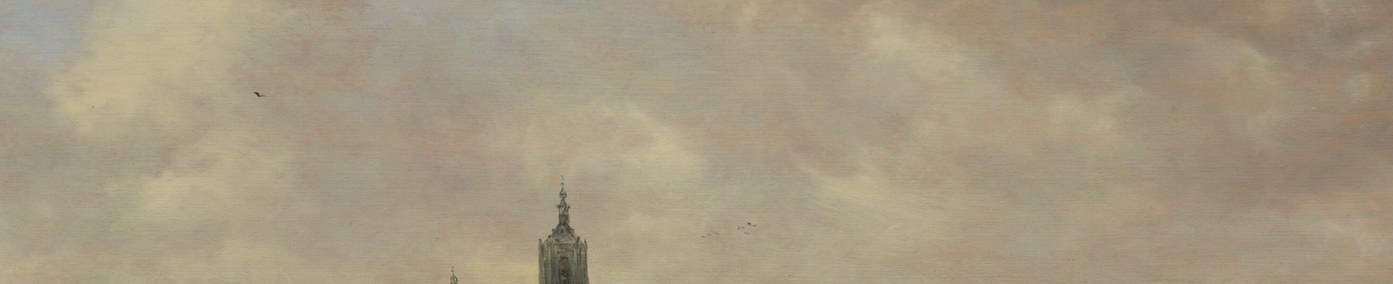
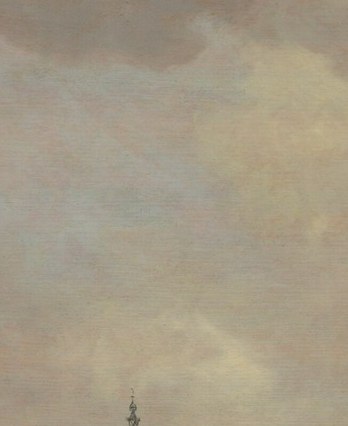
Jan van Goyen’s “A View of The Hague from the Northwest” (1647) is held today at the Metropolitan Museum of Art, and it is a painting that asks you to slow down. Its surface is a masterclass in restraint, muted umbers, silvery grays, and a pale yellow glow that makes the whole city float on a ribbon of light. This is tonal painting at its most refined, where the atmosphere, not the landmark, is the true subject.
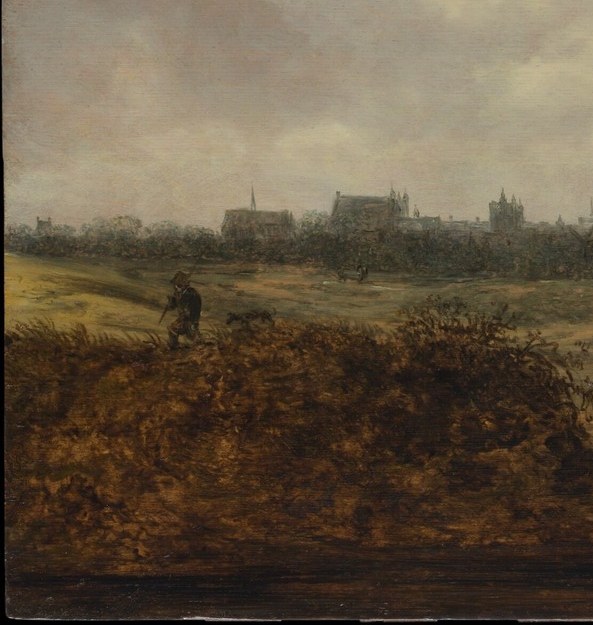
The painting works in layers. Start at your feet: the dirt track and sandy heath on the left pull you in. Then the small watercourse catches the sky-light and echoes it back upward. Your eye crosses the horsemen and arrives at the city silhouette, anchored by the unmistakable spire of the Grote Kerk. Scan the right side and you will find a second vertical, likely a windmill, rewarding a closer look.
Van Goyen painted this in 1647, looking southeast from the dunes northwest of town. That skyline is a document. The rooftops, trees, and steeples he recorded are a topographic truth of a city that was rebuilt and reshaped over centuries. This is not an imagined vista. It is evidence, painted with frightening economy, thin washes, a ground that shows through, and a sky that consumes more than half the canvas.
The next time a landscape makes you stop, ask what it records. Paintings carry data. This one carries a city.
#arthistory #dutchgoldenage #janvangoyen
Details

Transcript
A walk toward the city, 1647. Two travelers, some pack animals, no drama. But look how much canvas the painter gave the sky. Van Goyen built this entire painting on one band of light. Cities change. Skies do not. But the spire is a document. That skyline is a historic record. The Hague no longer looks like this.