The Honorable Henry Fane (1739–1802) with Inigo Jones and Charles Blair by Joshua Reynolds
Joshua Reynolds painted 'The Honorable Henry Fane (1739-1802) with Inigo Jones and Charles Blair' in 1761. It hangs in the Metropolitan Museum of Art. The painting captures three young British aristocrats on the Grand Tour, a rite of passage for wealthy young men that was meant to be the adventure of a lifetime.
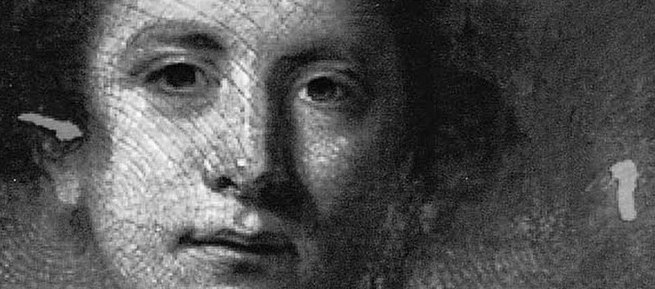
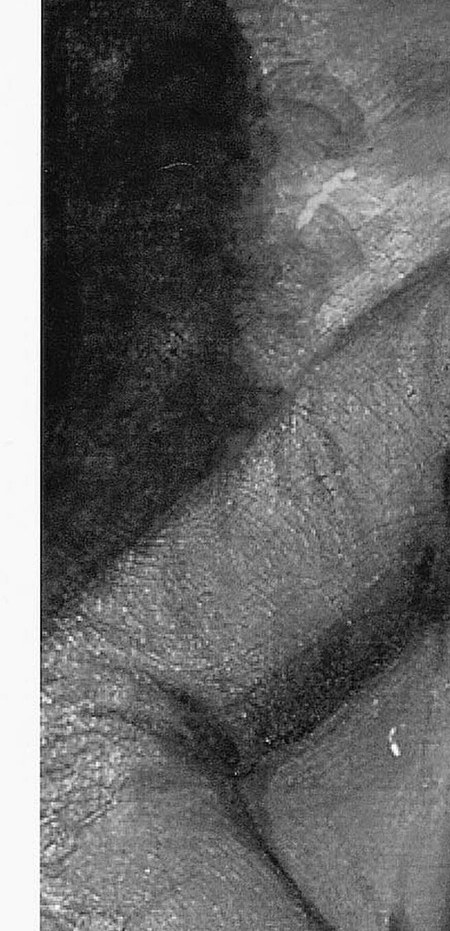
Look at the figures at the left edge of the canvas. The composition is dominated by Henry Fane, but Reynolds included his two companions, Inigo Jones and Charles Blair, in the background. Blair's presence is the most haunting detail. He fell ill in Rome and died shortly after Reynolds captured his likeness here, turning the portrait from a youthful memento into something closer to a memorial.
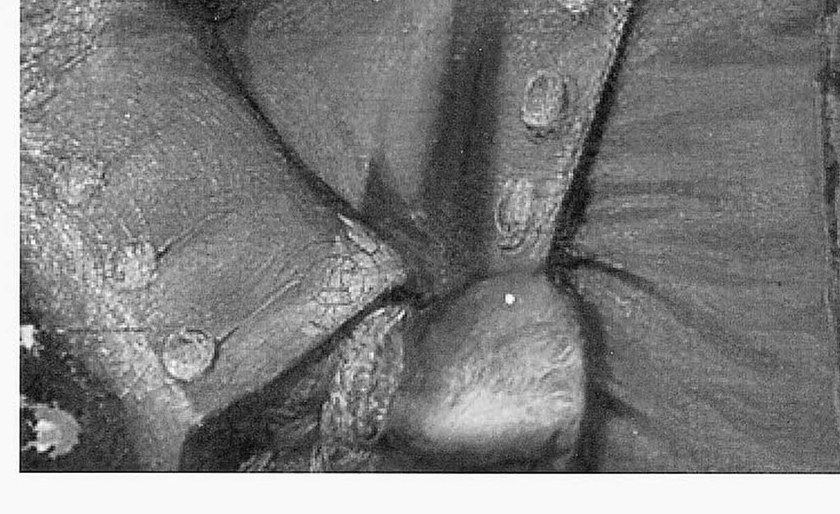
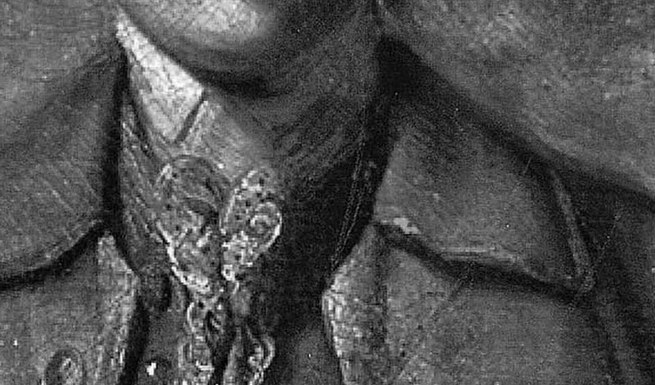
Fane himself was only twenty-two when he sat for this. He went on to a long life in British politics as a Member of Parliament, outliving both of the companions shown beside him. The dog at his feet was a standard Reynolds device meant to symbolize fidelity in a conventional aristocratic portrait, but knowing the story, it reads as a deeper mark of devotion to a lost friend.
Fane kept the painting privately for over forty years. A portrait that was commissioned to celebrate a European adventure became, instead, a quiet elegy for the one who never returned.
Details

Transcript
In 1761, three young Englishmen paused their Grand Tour. They sat for a painter in Rome who cost a fortune. That's Henry Fane in the center. He was twenty-two. The other two men are his closest traveling companions. Charles Blair died in Rome just months after this sitting. The dog, a symbol of loyalty, stayed by Fane's side for fourteen more years. Fane lived to be sixty-three. He kept this portrait his whole life. A souvenir of the friend who never came home.